

Lean manufacturing has long been recognized for its focus on eliminating waste, improving efficiency, and delivering higher value to customers. As industries evolve, the importance of automation in lean manufacturing becomes increasingly evident. Automation not only accelerates production processes but also enhances consistency, reduces errors, and supports continuous improvement—the core principles of lean.
Integrating automated systems into lean environments is no longer a luxury but a necessity for companies aiming to stay competitive. By leveraging robotics, smart sensors, and data-driven tools, manufacturers can optimize workflows, minimize downtime, and respond quickly to changing market demands. For those interested in creative techniques that capture motion and process, exploring motion blur composition examples can offer inspiration on visualizing movement and efficiency in industrial settings.
How Automation Drives Lean Principles Forward
At its core, lean manufacturing is about maximizing value while minimizing waste. Automation directly supports this goal by streamlining repetitive tasks, enabling real-time monitoring, and ensuring precise control over production variables. These capabilities help organizations reduce lead times, lower operational costs, and maintain high quality standards.
- Elimination of Waste: Automated systems can identify inefficiencies and bottlenecks, allowing teams to address issues before they escalate.
- Standardization: Machines and software execute tasks consistently, reducing variability and ensuring product uniformity.
- Continuous Improvement: Data collected from automated equipment provides actionable insights for ongoing process refinement.
By embracing these technologies, manufacturers can achieve the agility and responsiveness that modern supply chains demand.
Key Benefits of Integrating Automation with Lean Manufacturing
The synergy between automation and lean practices unlocks a range of advantages for manufacturers. Here are some of the most impactful benefits:
- Increased Productivity: Automated equipment can operate around the clock, significantly boosting output without compromising quality.
- Improved Safety: Automation reduces the need for human intervention in hazardous environments, lowering the risk of workplace injuries.
- Enhanced Quality Control: Sensors and vision systems detect defects in real time, ensuring only products that meet specifications move forward.
- Cost Savings: By reducing labor costs and minimizing material waste, automation delivers measurable financial benefits.
- Faster Response to Market Changes: Automated systems can be reprogrammed quickly, enabling manufacturers to adapt to new products or demand shifts.
These advantages make automation an essential component for any organization committed to lean transformation.
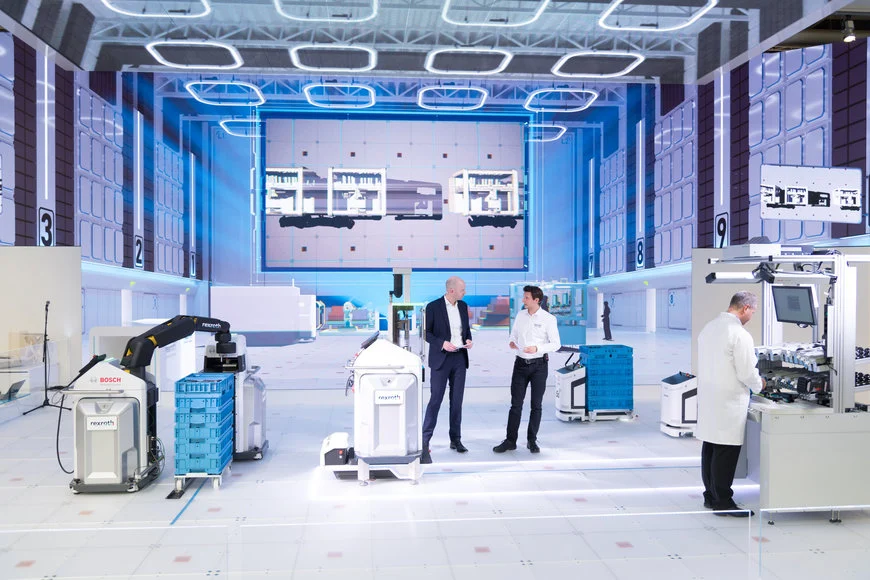
Automation Technologies Empowering Lean Manufacturing
A variety of automation solutions are available to support lean initiatives. These technologies range from simple programmable logic controllers (PLCs) to advanced robotics and artificial intelligence. Some of the most influential tools include:
- Robotic Process Automation (RPA): Robots handle repetitive assembly, welding, and packaging tasks with speed and accuracy.
- Industrial Internet of Things (IIoT): Connected devices gather and transmit data, enabling predictive maintenance and real-time performance monitoring.
- Automated Guided Vehicles (AGVs): These vehicles transport materials efficiently across the factory floor, reducing manual handling and delays.
- Machine Vision Systems: Cameras and sensors inspect products for defects, ensuring quality at every stage.
- Advanced Analytics and AI: Data-driven insights help managers identify trends, optimize schedules, and forecast demand.
The adoption of these solutions allows companies to build flexible, scalable, and resilient production systems.
Challenges and Considerations When Implementing Automation
While the benefits are clear, integrating automation into lean environments comes with its own set of challenges. Organizations must carefully plan their transition to ensure alignment with lean principles and avoid common pitfalls.
- Initial Investment: The upfront cost of automation can be significant, but long-term savings and productivity gains often justify the expense.
- Workforce Adaptation: Employees may need retraining to work alongside automated systems and manage new technologies.
- Change Management: Successful implementation requires buy-in from all levels of the organization and clear communication of goals.
- System Integration: New automation tools must work seamlessly with existing processes and legacy equipment.
Addressing these factors early in the planning process can help ensure a smooth transition and maximize the return on investment.

Real-World Examples and Industry Trends
Many leading manufacturers are already reaping the rewards of combining lean strategies with automation. For instance, factories utilizing smart factory solutions have reported significant improvements in throughput, energy efficiency, and product traceability.
The trend toward digital transformation is accelerating, with more companies adopting cloud-based platforms, digital twins, and predictive analytics. These advancements enable proactive decision-making and foster a culture of continuous improvement, which is central to lean thinking.
As automation technologies become more accessible, even small and medium-sized enterprises can leverage their benefits to remain competitive in a rapidly changing marketplace.
Best Practices for Merging Automation with Lean Initiatives
To maximize the impact of automation in a lean context, organizations should follow several best practices:
- Start Small and Scale: Begin with pilot projects in high-impact areas before expanding automation across the organization.
- Engage Employees: Involve staff in the planning and implementation process to foster ownership and encourage innovation.
- Focus on Value Streams: Use automation to enhance value-added activities and eliminate non-value-added steps.
- Monitor and Adjust: Continuously track performance metrics and refine processes based on real-time data.
- Prioritize Flexibility: Choose automation solutions that can adapt to future changes in products or processes.
By following these guidelines, manufacturers can ensure that automation supports—not hinders—their lean transformation journey.
Frequently Asked Questions
How does automation support lean manufacturing goals?
Automation helps achieve lean objectives by reducing waste, improving consistency, and enabling faster response times. It streamlines repetitive tasks, provides real-time data for process improvement, and enhances overall efficiency.
What are the main challenges when introducing automation to a lean environment?
Key challenges include the initial investment, workforce adaptation, integrating new systems with existing processes, and managing organizational change. Addressing these proactively can help ensure a successful transition.
Can small manufacturers benefit from automation in lean practices?
Yes, automation technologies are increasingly accessible to small and medium-sized businesses. Even modest investments in automation can lead to significant improvements in productivity, quality, and competitiveness.