
Capturing movement in photography can transform an ordinary scene into something dynamic and visually compelling. Intentional motion blur techniques allow photographers to convey speed, energy, and emotion by deliberately introducing blur into their images. Rather than treating blur as a mistake, these methods use it as a creative tool to tell stories and evoke mood.
Whether you’re a beginner eager to experiment or an experienced shooter looking to expand your creative toolkit, understanding how to control and use motion blur can open up new possibilities. In this article, we’ll explore the core concepts, camera settings, and practical approaches for achieving striking results with purposeful blur effects.

If you’re looking for creative inspiration, you might also enjoy browsing motion blur composition examples for fresh ideas on how to use these effects in your own work.
Understanding the Art of Purposeful Blur
At its core, intentional blur is about using camera movement or subject motion to create a sense of action or atmosphere. Unlike accidental blur, which often results from shaky hands or incorrect settings, these effects are carefully planned. The goal is to guide the viewer’s eye, emphasize motion, or abstract a scene for artistic impact.
There are several ways to achieve this look, each producing a different visual result. Mastering these methods requires a solid grasp of exposure, shutter speed, and timing, as well as a willingness to experiment.
Key Camera Settings for Motion Blur Photography
The foundation of all intentional motion blur techniques is shutter speed. By selecting a slower shutter speed, you allow moving elements to streak across the frame, creating the desired blur. Here are some essential settings to consider:
- Shutter Speed: Typically, speeds between 1/30 and several seconds work well, depending on the speed of your subject and the amount of blur you want.
- Aperture: Use a smaller aperture (higher f-number) to maintain correct exposure when using slow shutter speeds, especially in bright conditions.
- ISO: Keep ISO low (e.g., 100–400) to reduce noise and allow for longer exposures without overexposing the image.
- Tripod: For techniques where the background should remain sharp, a tripod is essential to prevent unwanted camera shake.
For those just starting out, the motion blur settings for beginners guide provides a helpful overview of recommended camera setups.
Popular Methods for Creating Dynamic Blur Effects
There are several creative approaches to introducing motion blur in your images. Each technique offers a unique way to interpret movement and energy.
Panning for Isolated Subject Movement
Panning involves moving your camera horizontally to follow a moving subject, such as a cyclist or car, while using a slow shutter speed. This keeps the subject relatively sharp while blurring the background, emphasizing speed and direction.
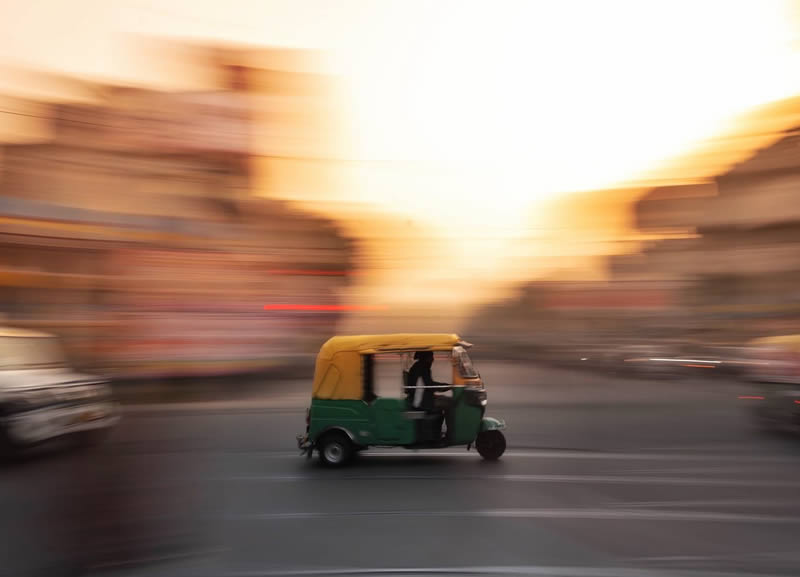
- Set your shutter speed between 1/15 and 1/60 seconds.
- Track the subject smoothly as it moves across your frame.
- Press the shutter while continuing to pan for a streaked background and crisp subject.
Long Exposures for Abstract and Atmospheric Results
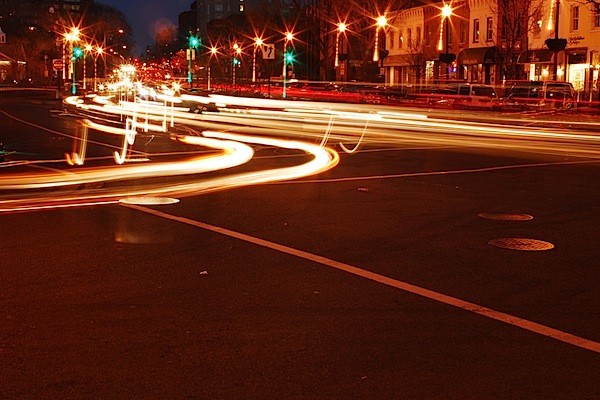
Using exposures of several seconds or more, you can blur moving crowds, flowing water, or passing vehicles. This approach is ideal for creating dreamy, ethereal effects or for removing distractions from busy scenes.
- Use a tripod to keep static elements sharp.
- Experiment with exposures from 1 second to 30 seconds or longer.
- Consider using a neutral density (ND) filter to reduce light and allow for longer shutter speeds during the day.
Intentional Camera Movement (ICM)
With ICM, you deliberately move the camera during a long exposure to create painterly, abstract images. Vertical, horizontal, or rotational movements can all yield different effects, transforming ordinary subjects into expressive compositions.
- Try exposures between 0.5 and 2 seconds.
- Move the camera smoothly in your chosen direction as you press the shutter.
- Review and adjust your movement and timing for varied results.
Creative Applications and Inspiration
Purposeful blur can be used in a wide range of genres, from street and sports photography to landscapes and fine art. Here are a few ideas to spark your creativity:
- Street scenes: Blur passing crowds to highlight a stationary subject or create a sense of urban energy.
- Nature: Use ICM to turn forests, fields, or water into impressionistic works of art.
- Night photography: Capture light trails from cars or moving lights for a vibrant cityscape.
For more advanced tips and cinematic approaches, see the motion blur cinematic photography guide.
Common Challenges and How to Overcome Them
While experimenting with motion blur methods, you may encounter some hurdles. Here are solutions to frequent issues:
- Unwanted camera shake: Use a tripod or image stabilization to keep static areas sharp.
- Overexposure: Lower your ISO, use a smaller aperture, or add an ND filter for longer exposures in bright light.
- Subject too blurry: Increase shutter speed slightly, or improve your panning technique for better subject sharpness.
- Inconsistent results: Practice timing and movement, and review your images to refine your approach.
Comparing your results with motion blur before and after examples can help you identify areas for improvement and understand the impact of different settings.
Tips for Mastering Intentional Blur in Photography
- Plan your shot: Visualize the effect you want and choose the right technique and settings.
- Use manual mode: Take full control of shutter speed, aperture, and ISO for consistent results.
- Experiment: Try different movements, speeds, and subjects to discover new creative possibilities.
- Review and adjust: Analyze your images and tweak your approach for better outcomes.
- Seek inspiration: Look at motion blur instagram photography tips to see how others use these effects in their work.
For a comprehensive overview of capturing movement, the guide to capturing motion blur in photography offers additional insights and practical advice.
Frequently Asked Questions
What shutter speed should I use for intentional blur?
The ideal shutter speed depends on your subject and the effect you want. For panning, try 1/15 to 1/60 seconds; for long exposures, use 1 second or longer. Experiment with different speeds to achieve the right balance of sharpness and blur.
How can I avoid overexposure when using slow shutter speeds?
To prevent overexposure, lower your ISO, use a smaller aperture (higher f-number), or add a neutral density filter to reduce the amount of light entering the lens. Shooting during low light conditions, such as early morning or evening, can also help.
Do I need a tripod for all motion blur techniques?
A tripod is essential when you want static elements in your scene to remain sharp, such as in long exposure landscapes. For panning or intentional camera movement, a tripod is optional, but it can help maintain consistency and reduce unwanted shake.