
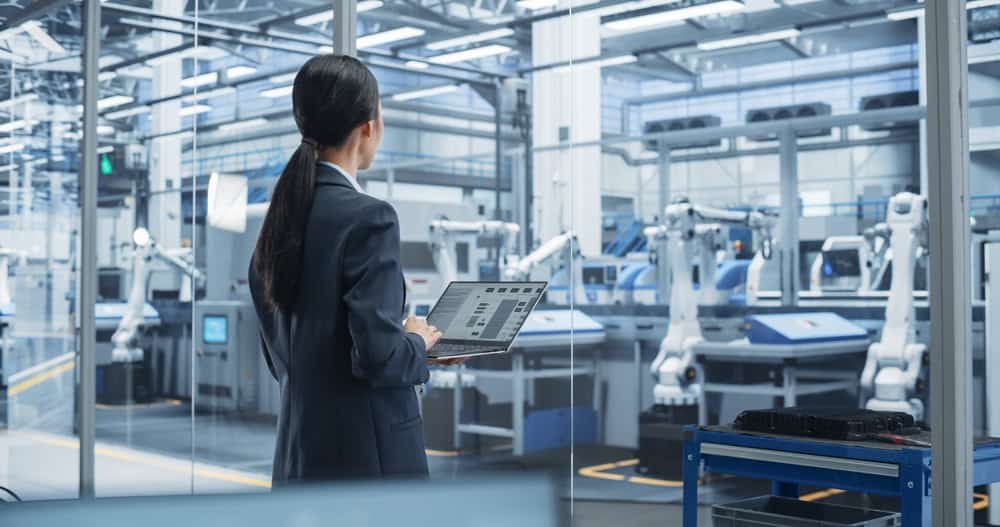
The rapid evolution of artificial intelligence and the Internet of Things (IoT) is transforming the way factories and industrial environments operate. One of the most significant advancements in this space is the integration of industrial edge AI—a technology that brings advanced data processing and machine learning capabilities directly to the edge of industrial networks. This approach enables real-time insights, faster decision-making, and greater efficiency on the factory floor.
As manufacturers seek to optimize production, reduce downtime, and improve quality, understanding how edge-based AI systems work is essential. This guide provides a comprehensive overview of the concept, its benefits, and practical steps for implementation. For those interested in related topics, learning about what is real-time factory monitoring can further enhance your understanding of modern industrial operations.
What Is Edge AI in Industrial Environments?
Edge AI refers to deploying artificial intelligence algorithms and models directly on devices or gateways located near the source of data generation—such as sensors, machines, or controllers—rather than relying solely on centralized cloud servers. In industrial settings, this means that critical analytics and decision-making processes occur close to the production line, minimizing latency and enabling immediate responses to changing conditions.
By processing data locally, edge AI systems can filter, analyze, and act on information in real time. This is particularly valuable for applications where milliseconds matter, such as predictive maintenance, quality inspection, and safety monitoring.
Key Benefits of Adopting Edge-Based AI Solutions
Integrating AI at the edge offers several advantages for manufacturers and industrial operators:
- Reduced Latency: Processing data on-site allows for instant analysis and action, which is crucial for time-sensitive operations.
- Enhanced Data Privacy: Sensitive information can be analyzed locally, minimizing the need to transmit data to external servers and reducing cybersecurity risks.
- Lower Bandwidth Requirements: Only relevant or summarized data needs to be sent to the cloud, decreasing network congestion and costs.
- Scalability: Edge AI systems can be deployed incrementally across different machines or production lines, allowing for flexible scaling.
- Improved Reliability: Local processing ensures that critical functions continue even if connectivity to the cloud is temporarily lost.
Core Components of Industrial Edge AI Systems
To implement edge-based AI in manufacturing, several components work together to deliver seamless functionality:
- Edge Devices: These include industrial PCs, embedded controllers, and smart sensors equipped with processing power to run AI models.
- AI Algorithms: Machine learning and deep learning models are trained to recognize patterns, predict failures, or optimize processes.
- Connectivity: Secure, reliable communication protocols (such as 5G, Ethernet, or Wi-Fi) link edge devices to each other and to central systems.
- Management Platforms: Software tools for deploying, updating, and monitoring AI models across distributed edge devices.
How Edge AI Is Transforming Manufacturing Operations
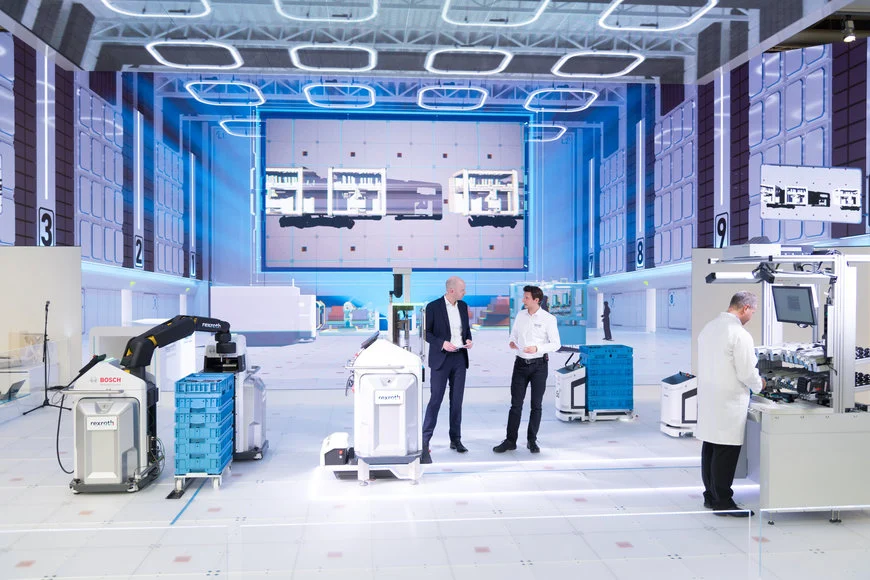
The adoption of edge-based intelligence is reshaping the way factories operate. Here are some practical examples of its impact:
- Predictive Maintenance: AI models analyze sensor data from machines to detect anomalies and predict failures before they occur, reducing unplanned downtime.
- Quality Control: Computer vision systems at the edge inspect products in real time, identifying defects and ensuring consistent quality.
- Process Optimization: Real-time analytics help optimize energy usage, material flow, and equipment performance, leading to cost savings and higher throughput.
- Worker Safety: AI-powered monitoring systems can detect hazardous situations and trigger immediate alerts to prevent accidents.
For a deeper dive into how smart technologies are used in production, explore how smart sensors monitor production and their role in modern factories.
Implementing Edge AI in Industrial Settings: Step-by-Step
Deploying AI at the edge in manufacturing environments requires careful planning and execution. Here’s a practical approach to get started:
- Assess Current Infrastructure: Evaluate existing machines, sensors, and network capabilities to determine readiness for edge AI integration.
- Define Use Cases: Identify specific problems or opportunities where real-time analytics can deliver measurable value, such as reducing downtime or improving product quality.
- Select Edge Hardware: Choose suitable edge devices that can run AI models efficiently and withstand industrial conditions.
- Develop or Deploy AI Models: Train custom machine learning models or deploy pre-built solutions tailored to your use cases.
- Integrate and Test: Connect edge devices to production systems, run pilot tests, and validate performance in real-world conditions.
- Scale and Maintain: Roll out successful solutions across additional lines or facilities, and establish processes for ongoing monitoring and updates.
Challenges and Considerations for Edge-Based AI
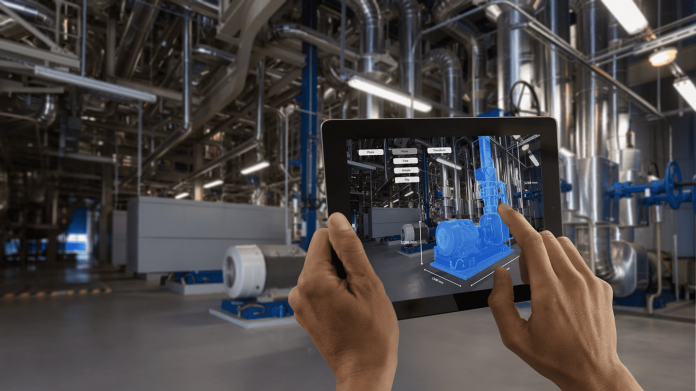
While the advantages are compelling, there are challenges to address when deploying AI at the edge in industrial environments:
- Hardware Constraints: Edge devices may have limited processing power or memory compared to cloud servers, requiring efficient model design.
- Integration Complexity: Connecting new AI systems with legacy equipment and existing IT infrastructure can be complex.
- Security: Protecting edge devices from cyber threats is critical, as they are often deployed in physically accessible locations.
- Maintenance: Managing updates and monitoring performance across distributed edge devices requires robust management tools.
For organizations considering a broader digital transformation, resources like smart factory and smart manufacturing solutions provide valuable insights into integrating advanced technologies.
Real-World Applications and Future Trends
The use of edge AI in industry is expanding rapidly. From autonomous robots and drones to digital twins and energy management, the possibilities are vast. For instance, the deployment of collaborative robots is becoming more common—learn more in how collaborative robots work in factories.
Looking ahead, trends such as 5G connectivity, advanced sensor fusion, and federated learning will further enhance the capabilities of edge-based AI. Manufacturers who embrace these innovations will be well-positioned to stay competitive and agile in a rapidly changing landscape.
FAQ: Industrial Edge AI Explained
What Is the Difference Between Edge AI and Cloud AI in Manufacturing?
Edge AI processes data locally on devices near the production line, enabling real-time analytics and immediate action. Cloud AI, on the other hand, relies on centralized servers for data processing, which can introduce latency and require more bandwidth. Combining both approaches allows manufacturers to balance speed, scalability, and data privacy.
How Can Edge AI Improve Factory Efficiency?
By analyzing sensor and machine data in real time, edge-based AI systems can detect issues early, optimize workflows, and reduce downtime. This leads to higher productivity, better resource utilization, and improved product quality.
Is Edge AI Secure for Industrial Applications?
Security is a top priority when deploying AI at the edge. Best practices include encrypting data, using secure authentication, and regularly updating device firmware. Local processing also reduces the amount of sensitive data transmitted over networks, enhancing overall security.
Where Can I Learn More About Related Industrial Technologies?
For further reading, consider exploring topics such as industrial drone applications explained and factory energy efficiency explained to see how other innovations are shaping the future of manufacturing.