
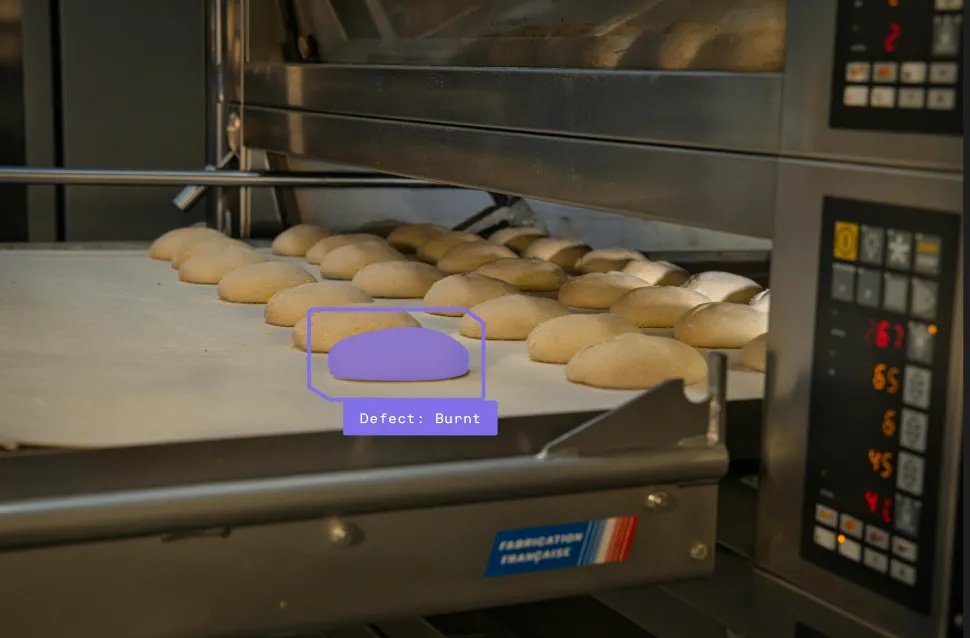
Ensuring food safety is a top priority for manufacturers, regulators, and consumers alike. The presence of foreign materials—such as plastic, glass, metal, or even organic contaminants—can lead to costly recalls, reputational damage, and risks to public health. Traditional inspection methods, while valuable, often struggle to keep pace with the demands of modern, high-speed production lines and the increasing complexity of processed foods. This is where the role of deep learning in detecting foreign objects has become a game changer for the food industry.
By leveraging advanced artificial intelligence, food producers can now automate and enhance their inspection processes, achieving higher accuracy and efficiency. This article explores how deep learning is transforming food safety, the benefits it brings, and the challenges that come with its adoption.
For organizations looking to improve their quality control and compliance, integrating AI-driven solutions can also support broader operational goals. For example, adopting automated data collection can help streamline audit prep with automated data, reducing manual effort and minimizing errors.
How Deep Learning Enhances Food Inspection
Deep learning, a subset of machine learning, excels at recognizing complex patterns in large datasets. In the context of food safety, neural networks are trained on thousands—or even millions—of images to distinguish between acceptable products and those containing unwanted materials. Unlike traditional rule-based vision systems, deep learning models can adapt to subtle variations in product shape, color, and texture, making them highly effective for real-world production environments.
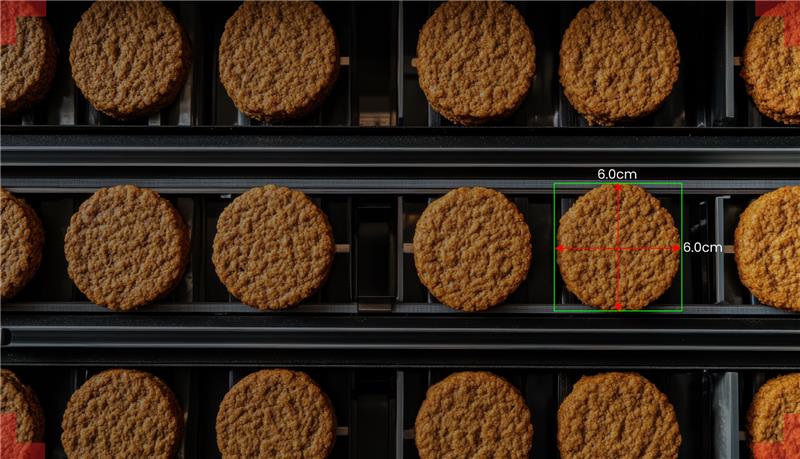
The role of deep learning in detecting foreign objects is particularly significant in scenarios where contaminants are visually similar to the food product or are partially obscured. For example, a piece of clear plastic in a batch of shredded cheese may be nearly invisible to the human eye or to conventional imaging systems, but a well-trained deep learning model can often spot such anomalies with impressive accuracy.
Key Technologies Used in AI-Based Food Safety
Modern food inspection systems combine several technologies to maximize detection rates and minimize false positives. The most common approaches include:
- Convolutional Neural Networks (CNNs): These are the backbone of most image-based deep learning applications. CNNs excel at extracting features from images, allowing them to identify foreign objects of varying shapes and sizes.
- X-ray and hyperspectral imaging: When paired with deep learning, these imaging modalities can reveal contaminants hidden inside opaque or dense foods, such as bones in meat or stones in grains.
- Edge computing: Deploying AI models directly on the production line enables real-time decision-making, reducing latency and supporting high-throughput operations.
By integrating these technologies, manufacturers can achieve a level of inspection that was previously unattainable, even in fast-moving environments.
Benefits of Deep Learning for Foreign Object Detection
The adoption of AI-driven inspection systems brings a range of advantages to food producers:
- Higher accuracy: Deep learning models can learn from vast datasets, improving their ability to spot even rare or unusual contaminants.
- Reduced false positives: Unlike traditional systems that may flag harmless variations, AI can distinguish between actual threats and benign anomalies, minimizing unnecessary waste.
- Scalability: Once trained, deep learning models can be deployed across multiple production lines or facilities, ensuring consistent quality control.
- Continuous improvement: AI systems can be retrained with new data, adapting to changes in products, packaging, or contamination risks.
These benefits translate into fewer recalls, improved consumer trust, and greater operational efficiency.
Challenges and Considerations in Implementing Deep Learning
While the role of deep learning in detecting foreign objects is transformative, successful implementation requires careful planning and investment. Some of the key challenges include:
- Data requirements: Training effective models demands large, well-labeled datasets that represent the full range of products and potential contaminants.
- Integration with existing systems: AI solutions must work seamlessly with current production equipment and quality control workflows.
- Ongoing maintenance: Models need periodic retraining and validation to maintain accuracy as products or processes change.
- Cost: While long-term savings are significant, the initial investment in hardware, software, and expertise can be substantial.
Despite these hurdles, many food manufacturers are finding that the benefits far outweigh the challenges, especially as AI technology becomes more accessible and affordable.
Integrating Predictive Maintenance and Food Safety
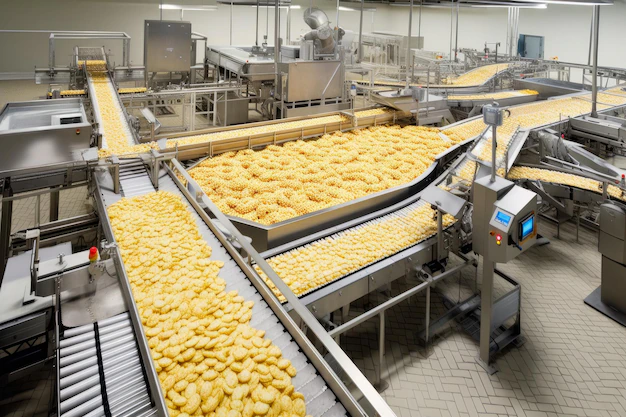
Beyond direct inspection, deep learning can also support predictive maintenance in food production environments. By analyzing equipment data, AI can help identify early signs of wear or failure that might increase the risk of contamination. For a detailed overview of how predictive maintenance can add value, see this resource on what is the ROI of predictive maintenance in food.
Combining foreign object detection with predictive analytics creates a holistic approach to food safety, reducing downtime and preventing issues before they escalate.
For those interested in implementing predictive strategies, the infographic on how to start a predictive maintenance program in food production provides practical steps and considerations.
Future Trends in AI-Driven Food Inspection
The future of food safety will be shaped by ongoing advances in deep learning and related technologies. Some emerging trends include:
- Cloud-based model training: Leveraging cloud resources allows for faster, more scalable development of AI models, making it easier for companies of all sizes to adopt these solutions.
- Multimodal inspection: Combining visual, X-ray, and hyperspectral data with deep learning can further improve detection rates and reduce blind spots.
- Automated compliance reporting: AI-driven systems can generate detailed records of inspections, supporting regulatory compliance and audit readiness.
- Integration with supply chain analytics: Linking inspection data with broader supply chain systems enables proactive risk management and traceability.
As these technologies mature, the food industry will continue to benefit from safer products, reduced waste, and more efficient operations.
FAQ: Deep Learning and Food Safety
How does deep learning differ from traditional machine vision in food inspection?
Traditional machine vision relies on predefined rules and simple image processing techniques, which can struggle with complex or variable products. Deep learning, on the other hand, uses neural networks trained on large datasets to recognize subtle patterns and anomalies, making it more adaptable and accurate for detecting foreign materials.
What types of foreign objects can deep learning systems detect?
AI-powered inspection can identify a wide range of contaminants, including plastics, metals, glass, stones, wood, and even certain organic materials. The effectiveness depends on the quality of training data and the imaging technology used.
Is it difficult to integrate deep learning-based inspection into existing food production lines?
While integration requires planning, many modern solutions are designed to retrofit onto existing lines with minimal disruption. It’s important to work with vendors who understand both AI and food production requirements to ensure a smooth transition.
Can deep learning help with regulatory compliance?
Yes, AI-driven inspection systems can provide detailed records of every inspection, supporting traceability and compliance with food safety regulations. Automated reporting also simplifies audit preparation and documentation.
The adoption of deep learning in food safety is rapidly becoming an industry standard. As technology evolves, its impact on quality control and consumer protection will only continue to grow.