
Maintaining high standards for wastewater quality in food processing facilities is essential for regulatory compliance, environmental protection, and operational efficiency. As food manufacturers face increasing scrutiny from regulators and consumers, the need for reliable, real-time monitoring solutions has never been greater. Automated systems now offer a way to continuously track critical water parameters, reducing manual labor and minimizing risks of non-compliance or costly shutdowns.
This article explores the essential components, technologies, and best practices for implementing automated wastewater monitoring in the food industry. We’ll also highlight how digital transformation is streamlining compliance and operational reporting, referencing related topics such as how to streamline audit prep with automated data for further reading on automation in food manufacturing.
Why Automated Wastewater Monitoring Is Essential in Food Manufacturing
Food plants generate significant volumes of wastewater containing organic matter, fats, oils, grease, and cleaning chemicals. Discharging untreated or poorly treated effluent can lead to environmental harm and hefty fines. Manual sampling and laboratory analysis, while effective for spot checks, are labor-intensive and may miss critical events between samples. Automated monitoring systems address these challenges by providing:
- Continuous data collection for key water quality indicators
- Immediate alerts for parameter excursions
- Historical data logs for audits and process optimization
- Reduced risk of non-compliance with discharge permits
Automated solutions also support broader digital transformation initiatives, such as predictive maintenance and process optimization. For more on this, see what is the roi of predictive maintenance in food.
Key Parameters to Track in Food Plant Wastewater
Understanding how to monitor wastewater quality in food plants starts with identifying which parameters are most relevant to your operation and regulatory requirements. Commonly monitored indicators include:
- pH: Measures acidity or alkalinity, critical for compliance and effective treatment.
- Biochemical Oxygen Demand (BOD): Indicates organic pollution levels.
- Chemical Oxygen Demand (COD): Reflects the amount of oxidizable substances.
- Total Suspended Solids (TSS): Represents particulate matter that can clog systems or harm the environment.
- Temperature: Affects biological treatment processes and regulatory compliance.
- Specific contaminants: Such as fats, oils, grease (FOG), nitrates, phosphates, and disinfectants.
Automated sensors and analyzers can be deployed at critical control points to continuously measure these parameters and transmit data to a central system.
Core Technologies for Automated Wastewater Quality Monitoring
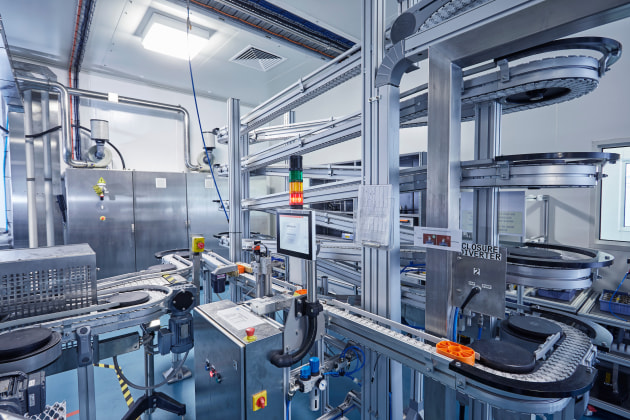
Several technologies are available to help food manufacturers automate the monitoring of effluent streams:
- Online analyzers: Devices that measure parameters like pH, BOD, COD, and TSS in real time, often using optical, electrochemical, or colorimetric methods.
- Remote sensors: Wireless or wired probes installed in tanks, pipes, or outflows to transmit data to a central controller or cloud platform.
- Data loggers and PLCs: Programmable logic controllers (PLCs) and industrial data loggers aggregate sensor data and trigger alarms or process adjustments.
- SCADA systems: Supervisory Control and Data Acquisition (SCADA) platforms visualize, store, and analyze water quality data, integrating with plant automation and reporting systems.
- Cloud-based analytics: Modern solutions leverage cloud computing for advanced analytics, remote access, and integration with other digital tools.
Choosing the right mix of technologies depends on plant size, regulatory requirements, and existing infrastructure.
Integrating Automated Monitoring with Food Plant Operations
For seamless operation, automated wastewater monitoring should be integrated with broader plant management systems. This enables real-time process adjustments, predictive maintenance, and streamlined reporting. For example, integrating monitoring data with maintenance scheduling can help detect early signs of equipment issues, as discussed in how to detect early signs of pump failure.
Key integration steps include:
- Mapping critical control points and installing appropriate sensors
- Configuring data acquisition and alarm thresholds
- Connecting monitoring systems to plant SCADA or cloud platforms
- Training staff on system use and response protocols
- Establishing regular maintenance and calibration routines for sensors
With proper integration, plants can achieve proactive compliance and minimize manual intervention.
Benefits of Real-Time Wastewater Quality Data
Implementing automated monitoring delivers several advantages for food manufacturers:
- Regulatory compliance: Continuous data helps ensure that effluent stays within permitted limits, reducing the risk of violations.
- Operational efficiency: Early detection of process upsets enables rapid corrective action, minimizing downtime and product loss.
- Cost savings: Reduces labor costs associated with manual sampling and laboratory analysis.
- Data-driven decision making: Historical trends support process optimization and investment planning.
- Audit readiness: Automated records simplify compliance reporting and audit preparation. For more on audit efficiency, see how to streamline audit prep with automated data.
These benefits contribute to a more sustainable and competitive operation, supporting both environmental stewardship and business goals.
Challenges and Best Practices for Automated Wastewater Monitoring
While the advantages are clear, implementing automated systems comes with challenges:
- Sensor fouling: Food plant effluent can clog or coat sensors, requiring regular cleaning and maintenance.
- Calibration drift: Sensors must be calibrated periodically to ensure accurate readings.
- Data integration: Combining data from multiple sources and formats can be complex.
- Change management: Staff may need training to adapt to new workflows and technologies.
Best practices include selecting robust, low-maintenance sensors designed for harsh environments, establishing a preventive maintenance schedule, and investing in staff training. Leveraging predictive maintenance solutions for food processing can further enhance system reliability and reduce downtime.
Emerging Trends in Automated Wastewater Monitoring
The future of automated wastewater quality monitoring in food plants is being shaped by several trends:
- Edge computing: Processing data closer to the source for faster insights and reduced network load.
- AI-driven analytics: Using machine learning to detect anomalies, predict failures, and optimize treatment processes.
- Wireless sensor networks: Enabling flexible deployment and easier retrofitting in existing facilities.
- Integration with sustainability initiatives: Supporting water reuse, energy efficiency, and environmental reporting.
As these technologies mature, automated monitoring will become even more accessible and valuable for food manufacturers of all sizes.
FAQ: Automated Wastewater Monitoring in Food Processing
What are the main benefits of automating wastewater quality checks in food plants?
Automating these checks provides continuous, real-time data, reduces manual labor, improves regulatory compliance, and enables faster response to process upsets. It also supports better record-keeping for audits and process optimization.
Which parameters should be prioritized when setting up an automated monitoring system?
Key parameters include pH, BOD, COD, TSS, temperature, and any specific contaminants relevant to your processes or local regulations. These indicators provide a comprehensive view of effluent quality and treatment effectiveness.
How often should sensors be maintained or calibrated?
Maintenance and calibration frequency depends on sensor type, wastewater composition, and manufacturer recommendations. In food plants, regular cleaning and monthly calibration are common best practices to ensure accurate readings and reliable operation.