
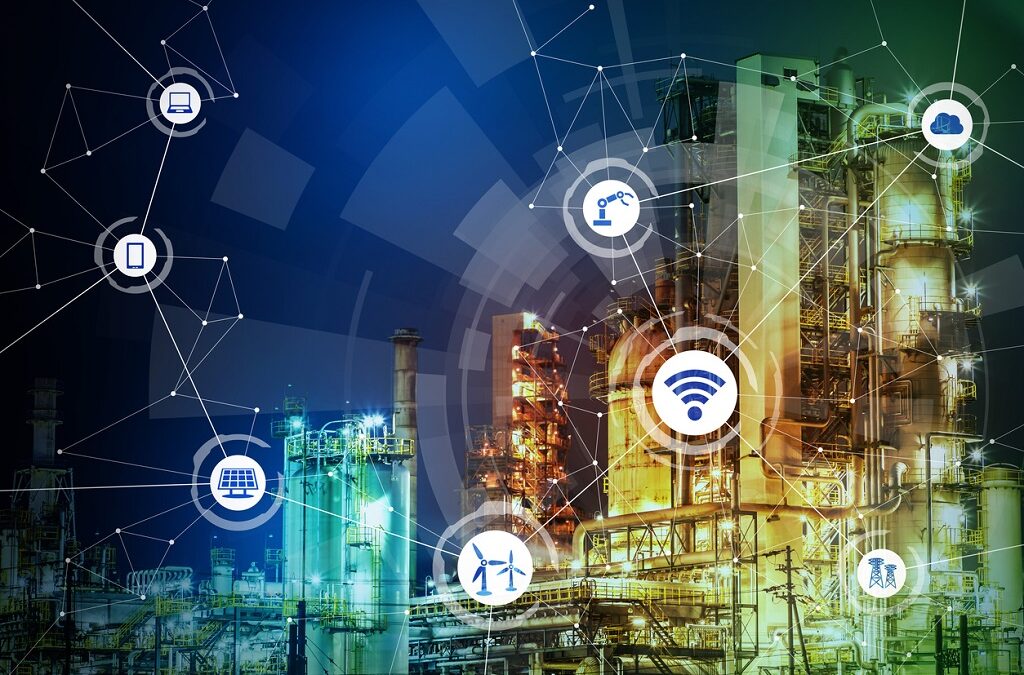
Manufacturing Execution Systems (MES) have become central to modern factory operations. These platforms bridge the gap between enterprise-level planning and the realities of the shop floor, providing real-time data, process control, and actionable insights. This guide offers an overview of factory MES software, explaining how these solutions work, their main features, and the practical advantages they bring to manufacturing environments.
As factories embrace digital transformation, understanding how MES fits into the broader landscape of automation, edge computing, and smart manufacturing is vital. For those interested in the relationship between MES and other technologies, the introduction to factory edge computing article provides additional context on integrating edge solutions with production management.
What Is Factory MES Software?
At its core, a Manufacturing Execution System is a digital platform that manages, monitors, and synchronizes the execution of production processes on the factory floor. Unlike ERP (Enterprise Resource Planning) systems, which focus on business-wide resource planning, MES operates closer to the machines and operators, ensuring that production runs efficiently and according to plan.
MES platforms collect data from equipment, sensors, and human operators, providing a unified view of production status, quality, and performance. This real-time visibility enables managers to make informed decisions, quickly respond to issues, and optimize workflows.
Key Features of Modern MES Platforms
Today’s MES solutions offer a range of functionalities designed to support both discrete and process manufacturing. Here are some of the most impactful features:
- Production Tracking: Real-time monitoring of work-in-progress, machine status, and operator activities.
- Quality Management: Automated data collection for quality checks, defect tracking, and compliance reporting.
- Scheduling and Dispatching: Dynamic scheduling tools that optimize resource allocation and minimize downtime.
- Inventory Control: Integration with material management systems to track raw materials, components, and finished goods.
- Traceability: End-to-end tracking of materials and processes for regulatory compliance and recall management.
- Performance Analytics: Dashboards and reports that highlight bottlenecks, downtime, and opportunities for improvement.
How MES Integrates with Factory Systems
MES platforms do not operate in isolation. They connect with a variety of other systems, including ERP, SCADA (Supervisory Control and Data Acquisition), PLCs (Programmable Logic Controllers), and IoT devices. This integration allows for seamless data flow between business planning and shop floor execution.
For example, when a new production order is released in the ERP, the MES receives the order details, schedules the job, and dispatches instructions to operators and machines. As production progresses, MES captures data on cycle times, quality checks, and material usage, feeding this information back to business systems for analysis and reporting.
.jpg?width=755&height=425&name=smart%20manufacturing%20article%20header%20image%20%20(1).jpg)
Benefits of Implementing MES in Manufacturing
Adopting an MES solution delivers a wide range of advantages for manufacturers. Here are some of the most significant benefits:
- Increased Efficiency: By automating data collection and process control, MES reduces manual entry, minimizes errors, and speeds up production cycles.
- Improved Quality: Real-time monitoring and automated alerts help detect quality issues early, reducing scrap and rework.
- Enhanced Traceability: Complete records of every batch, part, and process step support regulatory compliance and fast response to recalls.
- Better Resource Utilization: MES optimizes machine usage, labor allocation, and inventory management, leading to cost savings.
- Data-Driven Decision Making: Managers gain actionable insights from production analytics, enabling continuous improvement.
- Faster Response to Issues: With real-time visibility, teams can quickly identify and resolve bottlenecks or equipment failures.
These benefits contribute to a more agile, competitive, and resilient manufacturing operation. For a deeper look at how smart technology is transforming production, see the article on how machine learning optimizes production.
MES and the Smart Factory Revolution
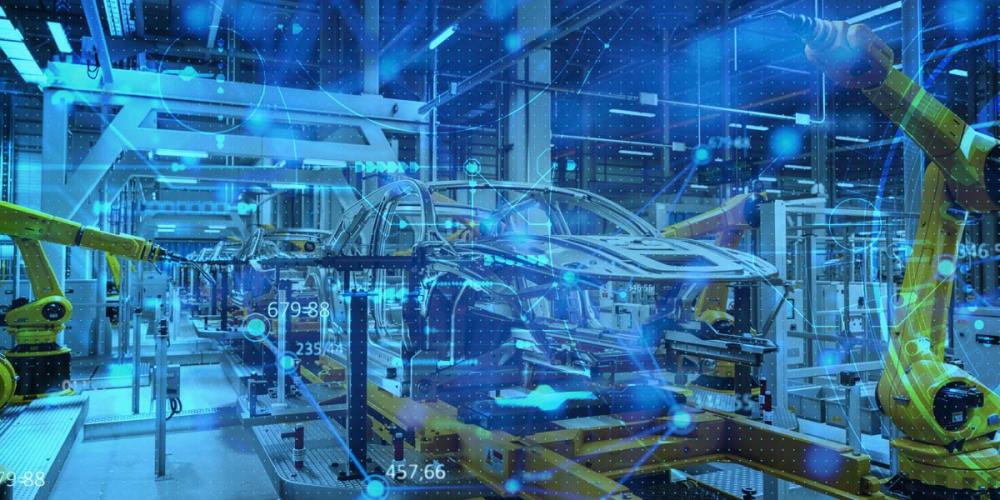
As factories move toward Industry 4.0, MES plays a foundational role in enabling smart manufacturing. By connecting machines, people, and processes, MES platforms support automation, predictive maintenance, and advanced analytics.
The integration of MES with IoT sensors and edge computing devices allows for even richer data collection and faster response times. This synergy is essential for manufacturers aiming to implement predictive quality, adaptive scheduling, and real-time process optimization.
For more on the broader context of automation and digital transformation, the understanding factory automation systems resource provides valuable insights.
Choosing the Right MES Solution
Selecting an MES platform requires careful consideration of your factory’s unique needs, existing infrastructure, and long-term goals. Key factors to evaluate include:
- Integration Capabilities: Ensure the system can connect with your ERP, automation, and IoT devices.
- Scalability: The platform should support future growth and new production lines.
- User Experience: Intuitive interfaces and mobile access improve adoption and usability.
- Customization: Look for solutions that can adapt to your specific workflows and reporting requirements.
- Vendor Support: Reliable technical support and ongoing updates are essential for long-term success.
Security is also a critical consideration. As MES platforms become more connected, protecting production data and systems from cyber threats is paramount. For practical advice, refer to the factory cybersecurity best practices guide.
MES in Action: Real-World Applications
Manufacturers across industries are leveraging MES to drive digital transformation. In automotive plants, MES coordinates just-in-time production and ensures traceability of every component. Pharmaceutical companies use MES for batch tracking and regulatory compliance. Electronics manufacturers rely on MES for quality control and rapid changeovers.
The adoption of MES is not limited to large enterprises. Small and medium-sized manufacturers are increasingly implementing these platforms to remain competitive, improve agility, and meet customer demands for quality and transparency.
For a broader perspective on how smart technologies are shaping the industry, the smart factory overview from NetSuite offers additional insights into the evolution of manufacturing systems.
Frequently Asked Questions
What distinguishes MES from ERP systems?
MES focuses on managing and optimizing production processes on the shop floor, providing real-time visibility and control. ERP systems, on the other hand, are designed for broader business management, including finance, HR, and supply chain. While both are essential, MES handles the detailed execution of manufacturing, while ERP oversees planning and resource allocation.
How does MES improve product quality?
MES platforms automate quality checks, collect data at every step of production, and trigger alerts when deviations occur. This proactive approach enables early detection of defects, reduces scrap, and ensures consistent product quality.
Is MES suitable for small and medium-sized factories?
Yes. Many MES solutions are scalable and modular, allowing smaller manufacturers to start with core features and expand as needed. Implementing MES can help these businesses improve efficiency, meet regulatory requirements, and compete with larger organizations.
Conclusion
MES software is a cornerstone of modern manufacturing, enabling real-time control, data-driven decision-making, and continuous improvement. By integrating with other factory systems and supporting smart manufacturing initiatives, MES platforms help manufacturers of all sizes achieve greater efficiency, quality, and agility.
As the industry continues to evolve, staying informed about advancements in MES and related technologies is essential. For further reading on how cloud solutions are impacting manufacturing, explore the article on how cloud computing helps factories.