
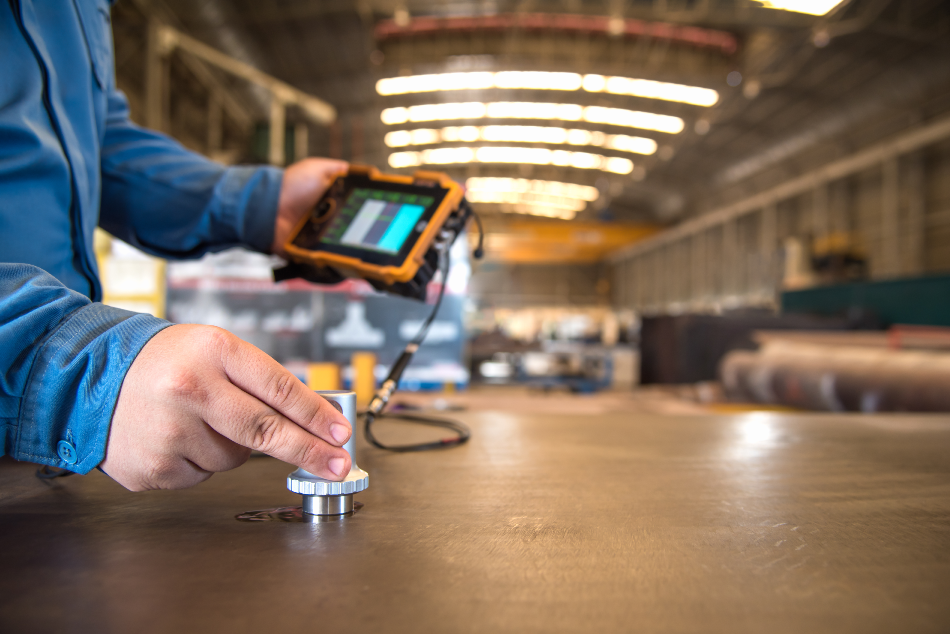
In the world of industrial quality assurance, understanding the synchronization requirements in inspection standards is crucial. These requirements ensure that all parts of the inspection process are aligned and working together efficiently. For industry QA professionals, this knowledge is not just advantageous but essential for maintaining high-quality standards and minimizing errors. In this article, we will delve into the intricacies of these requirements and how they impact the inspection process.

What Are Synchronization Requirements?
Synchronization requirements refer to the protocols and measures that ensure all inspection tools and processes operate in harmony. By synchronizing various elements of the inspection process, organizations can achieve more accurate results, reduce downtime, and enhance overall productivity.
Importance of Synchronization in Inspection
In industries where precision is paramount, such as aerospace and automotive manufacturing, synchronized inspection processes can significantly reduce errors. This synchronization ensures that every piece of equipment and every step of the process is aligned, leading to more reliable outcomes.
Enhancing Quality Control
Quality control is at the heart of any inspection standard. By adhering to synchronization requirements, industries can ensure that their quality control measures are robust and effective. This involves regular calibration of tools and continuous monitoring of the inspection process to ensure alignment.
Reducing Operational Downtime
Operational downtime can be costly. By following synchronization protocols, companies can minimize unexpected delays caused by misalignment or equipment failure. This proactive approach not only saves time but also reduces costs associated with downtime.
Key Components of Synchronization
Understanding the key components of synchronization is vital for any QA professional. These components include: calibration, data alignment, and process integration.
Calibration
Calibration ensures that all inspection tools are providing accurate readings. This step is crucial as it forms the foundation of reliable synchronization. Regular calibration checks help maintain the integrity of inspection results.
Data Alignment
Data alignment involves ensuring that all data collected during the inspection process is consistent and comparable. This requires robust data management systems and protocols to ensure that data is not only accurate but also easily accessible for analysis.
Process Integration
Process integration involves the seamless coordination of all inspection activities. This means that each step of the inspection process is synchronized with the next, eliminating bottlenecks and ensuring a smooth workflow.
Challenges in Synchronization
While synchronization offers numerous benefits, achieving it is not without its challenges. These challenges include technological limitations, cost constraints, and the need for skilled personnel.
Technological Limitations
In some cases, existing technology may not support the level of synchronization required. This can be a significant barrier for companies looking to enhance their inspection processes.
Cost Constraints
Implementing synchronization protocols can be costly. This is particularly true for smaller companies with limited budgets. However, the long-term benefits often outweigh the initial investment.
Need for Skilled Personnel
Ensuring synchronization in inspection processes requires skilled personnel who understand the intricacies of these requirements. This involves training and development, which can be both time-consuming and expensive.
Future of Synchronization in Inspection Standards
As technology continues to evolve, the future of synchronization in inspection standards looks promising. Innovations in synchronization technologies are paving the way for more efficient and accurate inspection processes.
Innovations in Technology
Recent innovations have introduced advanced synchronization tools that are more reliable and user-friendly. These tools help automate many aspects of the inspection process, reducing human error and increasing efficiency. For more on this, visit Innovations in Synchronization Technologies.
Increased Automation
Automation is at the forefront of future inspection standards. By automating synchronization processes, industries can achieve greater accuracy and consistency in their inspections.
Enhanced Data Management
With the increasing amount of data generated during inspections, enhanced data management systems are becoming more critical. These systems help ensure that data is synchronized and easily accessible for analysis.
Conclusion
Understanding and implementing synchronization requirements in inspection standards is crucial for maintaining high-quality standards in industrial processes. While challenges exist, the benefits of synchronizationsuch as enhanced quality control, reduced downtime, and improved efficiencymake it a worthwhile investment. As technology continues to advance, the future of synchronization in inspection standards looks promising, paving the way for more efficient and accurate inspection processes.

FAQs
Why is synchronization important in inspection?
Synchronization ensures that all parts of the inspection process work together seamlessly, leading to more accurate results and reduced downtime.
What are some challenges in achieving synchronization?
Challenges include technological limitations, cost constraints, and the need for skilled personnel to implement and maintain synchronization protocols.
How does technology impact synchronization in inspection?
Technological advancements are making it easier to achieve synchronization through automation and improved data management systems, enhancing overall efficiency.
For more information on inspection frequency schedules, visit this site.
This article contains affiliate links. We may earn a commission at no extra cost to you.