
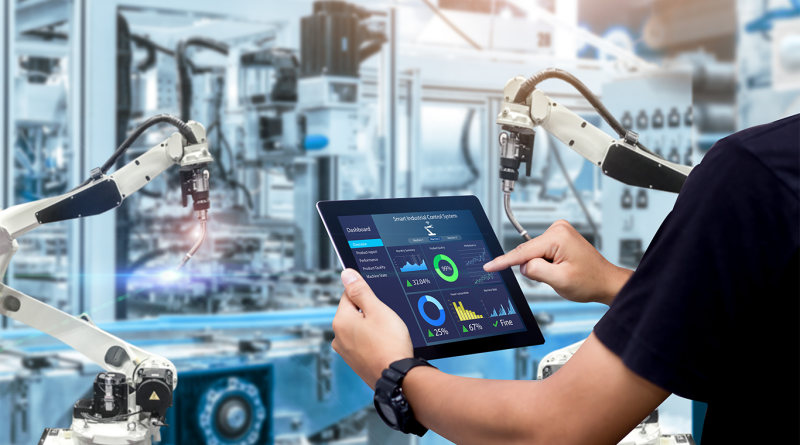
The manufacturing sector is undergoing a significant transformation as more factories adopt connected machinery and digital technologies. This shift is not just about adding sensors or networking equipment—it’s about integrating machines, systems, and data to create smarter, more responsive production environments. For manufacturers, grasping the essentials of this evolution is crucial for staying competitive, improving efficiency, and ensuring long-term growth.
In this article, we’ll break down the concept of connected machinery, explore its benefits, and provide practical guidance on how to implement and optimize these systems. If you’re interested in how real-time data and automation are changing the factory floor, or want to know how to get started with digital transformation, this guide offers a clear, actionable overview.
For a deeper look at how live data impacts operations, see what is real-time factory monitoring.
What Does It Mean to Connect Machinery?
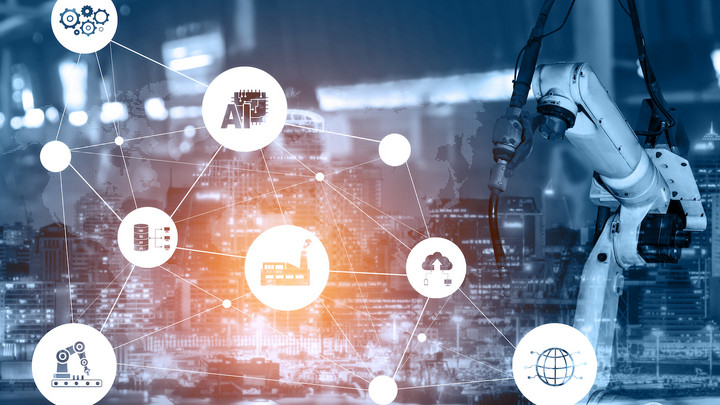
At its core, connected machinery refers to the integration of production equipment with digital networks, software platforms, and data analytics tools. This setup allows machines to communicate with each other, share information in real time, and be monitored or controlled remotely. The result is a more cohesive, transparent, and adaptable manufacturing process.
Key components of this approach include:
- Industrial Internet of Things (IIoT): Sensors and devices embedded in equipment collect and transmit data.
- Machine-to-Machine (M2M) Communication: Machines exchange information directly to coordinate actions and optimize workflows.
- Centralized Data Platforms: Data from various sources is aggregated for analysis, visualization, and decision-making.
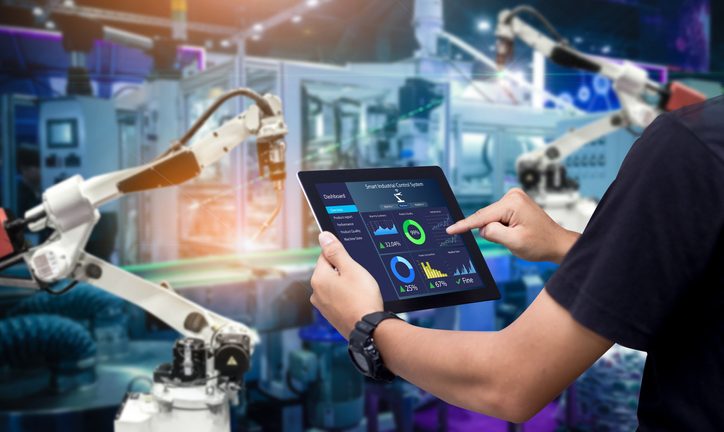
- Remote Monitoring and Control: Operators and managers can oversee and adjust processes from anywhere, using dashboards or mobile apps.
These elements work together to create what many refer to as a “smart factory.” For more on this topic, see what a smart factory is and what it means for you.
Key Benefits of Digitally Integrated Equipment
Embracing connected machinery brings a range of advantages to manufacturing operations. Some of the most impactful benefits include:
- Increased Efficiency: Automated data collection and analysis help identify bottlenecks, reduce downtime, and streamline workflows.
- Predictive Maintenance: By monitoring equipment health in real time, factories can anticipate failures and schedule maintenance before breakdowns occur.
- Improved Quality Control: Consistent monitoring enables early detection of defects or process deviations, leading to higher product quality.
- Enhanced Flexibility: Connected systems can quickly adapt to changes in production schedules, product designs, or customer demands.
- Data-Driven Decision Making: Access to accurate, timely information empowers managers to make better operational choices.
- Reduced Costs: Optimized processes and proactive maintenance lower energy use, waste, and unplanned downtime.
How to Start Integrating Connected Equipment
Moving toward a digitally integrated production environment requires careful planning and a step-by-step approach. Here are practical steps for manufacturers looking to adopt connected machinery:
- Assess Current Capabilities: Begin by evaluating your existing equipment, IT infrastructure, and data collection methods. Identify which machines can be upgraded with sensors or connectivity modules.
- Define Clear Objectives: Set specific goals for your integration project, such as reducing downtime, improving quality, or increasing throughput.
- Select the Right Technologies: Choose hardware and software solutions that align with your needs and can scale as your operation grows. Consider compatibility with existing systems.
- Start Small and Scale: Pilot your approach on a single production line or process. Use the insights gained to refine your strategy before expanding across the facility.
- Train Your Team: Ensure operators, engineers, and managers understand how to use new tools and interpret data. Ongoing training is essential for long-term success.
- Monitor and Optimize: Continuously track performance metrics, collect feedback, and make adjustments to maximize the value of your connected systems.
For a closer look at how sensors play a role in this transformation, check out how smart sensors monitor production.
Challenges and Considerations for Digital Transformation
While the advantages of digitally connected equipment are clear, manufacturers must also navigate several challenges:
- Cybersecurity Risks: Connecting machines to networks increases the risk of cyber threats. Implement robust security protocols and regularly update systems.
- Data Integration: Combining data from different machines, vendors, or legacy systems can be complex. Invest in platforms that support interoperability and standardization.
- Change Management: Employees may be resistant to new technologies. Communicate benefits clearly and involve staff in the transition process.
- Cost and ROI: Upfront investments can be significant. Focus on solutions that deliver measurable returns and align with your business strategy.
Real-World Applications and Trends
The adoption of networked machinery is accelerating across industries. Some notable trends and applications include:
- Automated Quality Inspection: Cameras and sensors integrated with AI algorithms can detect defects in real time, reducing waste and improving consistency.
- Remote Troubleshooting: Service teams can diagnose and resolve issues from afar, minimizing travel and downtime.
- Energy Optimization: Connected systems monitor energy consumption and suggest adjustments to lower costs and support sustainability goals. For more on this, see factory energy efficiency explained.
- Collaborative Robotics: Robots equipped with sensors and connectivity work safely alongside humans, handling repetitive or hazardous tasks. Learn more in how collaborative robots work in factories.
- Drone Integration: Drones are being used for inventory checks, equipment inspection, and facility mapping. See industrial drone applications explained for details.
Frequently Asked Questions
How does connected machinery improve factory productivity?
By enabling real-time data sharing and automation, connected machinery helps identify inefficiencies, reduce downtime, and streamline production processes. This leads to faster turnaround times and more consistent output.
What are the main security concerns with digital integration?
The primary risks involve unauthorized access to networks, data breaches, and potential disruption of operations. Manufacturers should implement strong cybersecurity measures, such as firewalls, encryption, and regular software updates, to mitigate these threats.
Can legacy equipment be upgraded for connectivity?
In many cases, older machines can be retrofitted with sensors or connectivity modules. However, the feasibility depends on the equipment’s age, condition, and compatibility with modern systems. Consulting with technology providers can help determine the best approach.
What is the difference between IIoT and connected machinery?
IIoT (Industrial Internet of Things) is the broader concept of connecting industrial devices to the internet for data exchange. Connected machinery is a practical application of IIoT, focusing specifically on integrating production equipment within manufacturing environments.
Conclusion
Embracing connected machinery is a strategic move for manufacturers aiming to boost efficiency, quality, and adaptability. By understanding the technologies involved, planning carefully, and addressing challenges proactively, organizations can unlock significant value from digital transformation. As the industry continues to evolve, staying informed and agile will be key to long-term success.