
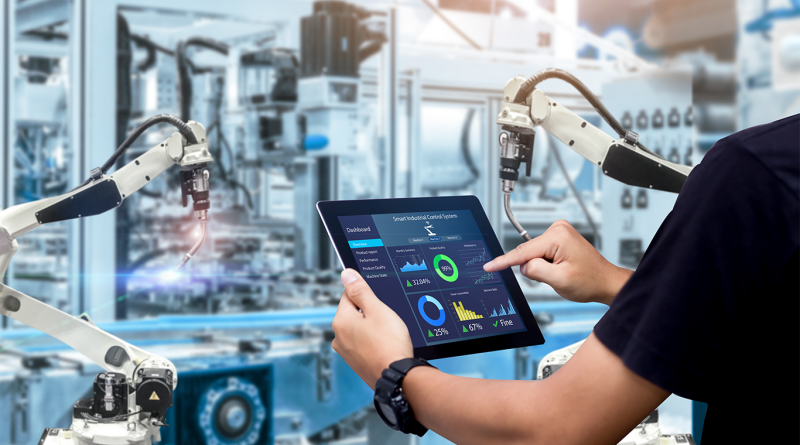
Improving efficiency, reducing waste, and increasing output are top priorities for any modern manufacturing facility. As competition grows and customer expectations rise, manufacturers are turning to advanced strategies and technologies to streamline their operations. Factory process optimization is at the heart of these efforts, encompassing a range of methods and tools designed to make production lines smarter, faster, and more reliable.
In this guide, we’ll break down the principles behind optimizing manufacturing workflows, explore the latest trends, and provide actionable steps for implementing improvements in your own facility. Whether you’re just starting to explore digital transformation or seeking to refine established processes, understanding how to optimize your factory’s operations is essential for long-term success.
For a deeper dive into the technologies powering today’s smart production environments, see our introduction to factory edge computing, which explains how data-driven systems are transforming manufacturing.
What Is Process Optimization in Manufacturing?
At its core, process optimization refers to systematically improving production workflows to achieve better performance. This can involve reducing cycle times, minimizing resource consumption, increasing yield, and ensuring consistent product quality. The goal is to identify inefficiencies, bottlenecks, or sources of waste and apply targeted solutions to address them.
Optimization strategies may include:
- Analyzing and redesigning workflows
- Implementing automation and robotics
- Adopting lean manufacturing principles
- Utilizing real-time data for decision-making
- Integrating advanced analytics and machine learning
Key Steps for Streamlining Factory Operations
Achieving meaningful improvements requires a structured approach. Here are the essential steps to drive effective process changes:
1. Assess Current Workflows
Begin by mapping out existing processes in detail. Document each step, identify handoffs, and record cycle times. Use process mapping tools or value stream mapping to visualize how materials and information flow through the facility. This baseline assessment helps uncover hidden inefficiencies and sets the stage for targeted improvements.
2. Set Clear Objectives
Define what success looks like for your optimization project. Objectives might include reducing downtime, improving throughput, cutting costs, or enhancing product quality. Setting measurable goals ensures that progress can be tracked and quantified.
3. Collect and Analyze Data
Data is the foundation of modern process improvement. Use sensors, machine logs, and production records to gather real-time and historical data. Analyze this information to spot trends, identify recurring issues, and prioritize areas for intervention. For more on how data-driven approaches are changing production, see our article on how machine learning optimizes production.

4. Implement Targeted Improvements
Based on your analysis, introduce changes designed to address specific pain points. This could involve reorganizing workstations, automating repetitive tasks, or updating maintenance schedules. It’s important to pilot changes on a small scale, measure the results, and adjust as needed before rolling out across the entire operation.
5. Monitor and Sustain Gains
Optimization is an ongoing process. Continuously monitor key performance indicators (KPIs) to ensure improvements are maintained. Encourage feedback from operators and supervisors, and be ready to adapt as new challenges arise or as production demands shift.
Technologies Driving Smarter Production
The rise of smart manufacturing has introduced a range of tools that make it easier to optimize factory processes. These include:
- Industrial IoT (IIoT): Networked sensors and devices collect real-time data from machines, enabling predictive maintenance and rapid response to issues.
- Advanced Analytics: Machine learning algorithms analyze vast datasets to uncover patterns and recommend process adjustments.
- Automation and Robotics: Automated systems handle repetitive or hazardous tasks, improving consistency and freeing up human workers for higher-value activities.
- Cloud and Edge Computing: Decentralized computing resources process data closer to the source, reducing latency and supporting faster decision-making. For more, see our guide on how cloud computing helps factories.
To learn more about how these technologies are shaping the future of manufacturing, explore this comprehensive overview of smart factory concepts.
Best Practices for Sustainable Optimization
To ensure that process improvements deliver lasting value, manufacturers should:
- Engage Employees: Involve operators and frontline staff in identifying issues and testing solutions. Their insights are invaluable for practical improvements.
- Standardize Procedures: Document optimized workflows and provide training to ensure consistency across shifts and teams.
- Leverage Automation Wisely: Automate where it adds the most value, but maintain flexibility for tasks that require human judgment.
- Prioritize Data Security: As digital systems expand, protect sensitive information by following factory cybersecurity best practices.
- Review Regularly: Schedule periodic reviews of processes and KPIs to identify new opportunities for improvement.
Common Challenges and How to Overcome Them
While the benefits of optimizing manufacturing processes are clear, several obstacles can arise:
- Resistance to Change: Employees may be hesitant to adopt new methods. Clear communication and training can ease transitions.
- Data Silos: Disconnected systems make it hard to get a full picture of operations. Integrating data sources is key.
- Legacy Equipment: Older machines may lack connectivity. Retrofitting with sensors or using edge computing solutions can bridge the gap.
- Resource Constraints: Budget and time limitations require prioritizing the most impactful changes first.
For a foundational understanding of the systems involved, see our resource on understanding factory automation systems.
FAQ: Factory Process Optimization
What are the main benefits of optimizing factory processes?
Improved efficiency, reduced costs, higher product quality, and greater flexibility are among the top advantages. Streamlined workflows also help manufacturers respond more quickly to market changes and customer demands.
How does data analytics support process improvement?
Data analytics enables manufacturers to identify inefficiencies, predict equipment failures, and make informed decisions based on real-time information. This leads to smarter resource allocation and continuous improvement.
Can small and medium-sized factories benefit from optimization?
Absolutely. Even modest changes—such as reorganizing workspaces or adopting basic automation—can yield significant gains. Many optimization tools and strategies are scalable and can be tailored to facilities of any size.
What role does employee training play in sustaining improvements?
Training ensures that staff understand new processes, use equipment correctly, and can troubleshoot issues. Ongoing education helps maintain gains and fosters a culture of continuous improvement.