
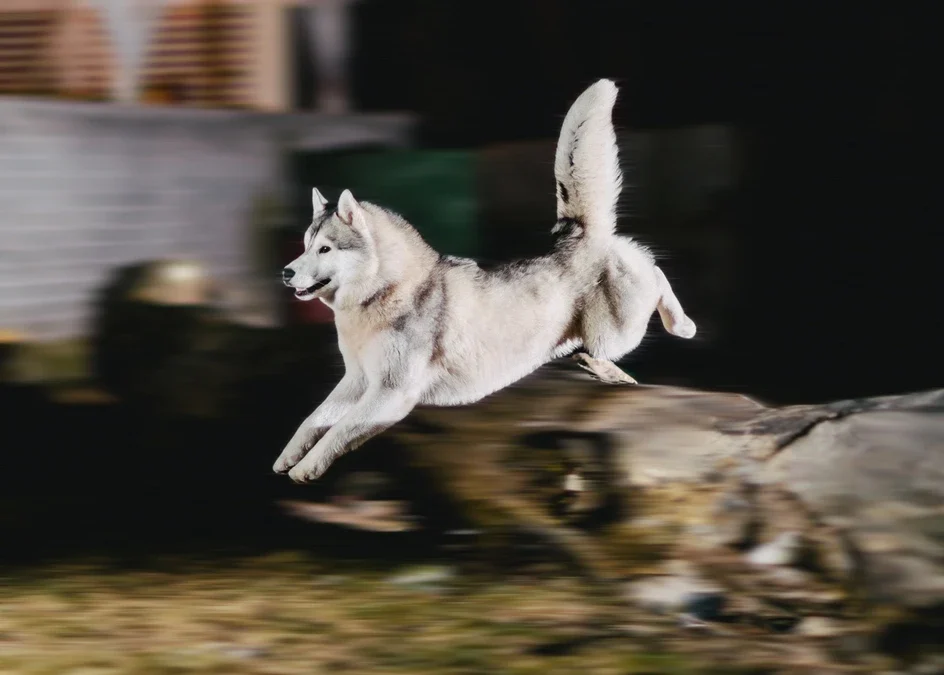
Capturing the dynamic energy of the sea with a sense of movement is a rewarding challenge for photographers. Using motion blur ocean waves photography techniques, you can transform ordinary seascapes into expressive, dreamlike images that evoke the rhythm and flow of water. This approach blends technical skill with creative vision, allowing you to highlight the patterns, textures, and moods of the ocean in ways that static shots cannot.
Whether you’re a beginner eager to experiment or an experienced photographer refining your craft, understanding how to use slow shutter speeds, camera settings, and composition will help you achieve stunning results. For those interested in exploring related creative effects, our motion blur car light trails tutorial offers additional inspiration and technical tips.
Understanding Motion Blur in Ocean Photography
Motion blur is the visual effect created when moving elements appear streaked or softened in a photograph. In the context of ocean scenes, this technique is achieved by using slower shutter speeds to record the movement of waves over time. The result is a smooth, flowing surface that conveys a sense of motion and atmosphere.
The key to successful motion blur ocean waves photography lies in balancing exposure, timing, and composition. By adjusting your camera settings and observing the rhythm of the sea, you can create images that feel both tranquil and powerful.
Essential Gear for Blurred Wave Shots
While you don’t need the most expensive equipment to get started, certain tools will make the process easier and more effective:
- Camera with Manual Controls: A DSLR or mirrorless camera that allows you to adjust shutter speed, aperture, and ISO is ideal.
- Sturdy Tripod: Keeping your camera steady is crucial for sharp stationary elements and smooth water effects.
- Neutral Density (ND) Filter: These filters reduce the amount of light entering the lens, enabling longer exposures even in bright daylight.
- Remote Shutter Release or Timer: Minimizes camera shake during long exposures.
- Weather Protection: Saltwater and sand can damage gear, so use lens hoods, rain covers, and microfiber cloths.
Camera Settings for Creating Ocean Wave Blur
Achieving the right amount of blur depends on your exposure settings and the speed of the waves. Here’s how to set up your camera for the best results:
- Shutter Speed: For subtle blur, start with 1/4 to 1 second. For a more ethereal, misty look, use exposures of several seconds or longer. Experiment to see what matches your creative vision.
- Aperture: Use a smaller aperture (higher f-number) like f/8 to f/16 to maintain sharpness in the landscape and extend exposure time.
- ISO: Keep ISO low (100–200) to reduce noise and allow for longer shutter speeds.
- Focus: Use manual focus to lock onto a stationary object, such as a rock or pier, ensuring it remains sharp while the water blurs.

Timing and Light: When to Shoot for the Best Effects
The quality of light and the timing of your shoot have a significant impact on the mood and clarity of your images. Early morning and late afternoon, known as the golden hours, provide soft, warm light and long shadows that enhance the texture of the waves. Overcast days can also work well, as diffused light reduces harsh reflections and helps balance exposure.
Pay attention to the tides and wave patterns. Incoming or outgoing tides create more dynamic movement, while calm conditions may require longer exposures to achieve noticeable blur. Always be mindful of safety and changing water levels when setting up near the shoreline.
Composition Tips for Dynamic Seascapes
Effective composition is essential for impactful motion blur ocean waves photography. Consider these guidelines:
- Foreground Interest: Incorporate rocks, driftwood, or piers to anchor your scene and provide contrast to the blurred water.
- Leading Lines: Use the direction of the waves or shoreline to guide the viewer’s eye through the frame.
- Rule of Thirds: Position the horizon off-center for a more balanced and engaging image.
- Perspective: Experiment with low angles close to the water for immersive shots, or higher vantage points for sweeping views.
Creative Approaches and Advanced Techniques
Once you’re comfortable with the basics, try experimenting with different creative methods:
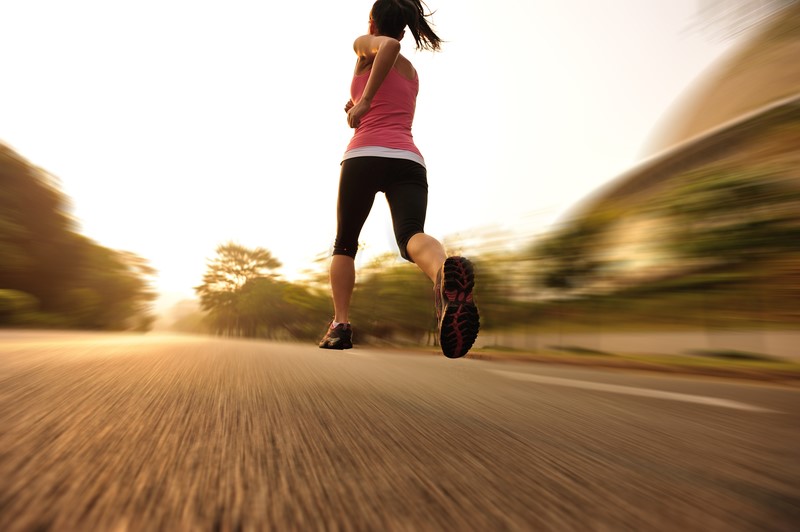
- Intentional Camera Movement (ICM): Gently pan or tilt the camera during exposure for painterly, abstract effects. For more on this, see our motion blur with moving camera guide.
- Multiple Exposures: Combine several images in-camera or during post-processing to layer different wave patterns.
- Black and White Conversion: Stripping away color can emphasize shapes, textures, and the interplay of light and shadow.
- Long Exposure Blends: Merge sharp and blurred exposures to highlight both static and moving elements.
Post-Processing Tips for Ocean Motion Blur Images
Editing your photos can enhance the mood and clarity of your blurred wave shots. Here are some practical steps:
- Adjust Contrast and Clarity: Boosting these can help define the boundary between sharp and blurred areas.
- Fine-Tune Color Balance: Correct any color casts from filters or lighting conditions to achieve natural tones.
- Crop for Impact: Refine your composition by removing distractions and focusing on the most compelling parts of the image.
- Reduce Noise: Use noise reduction tools, especially for long exposures taken at higher ISOs.
For more in-depth information on the science and creative possibilities of this technique, you can explore comprehensive motion blur photography guides available online.
Common Challenges and How to Overcome Them
Even experienced photographers encounter obstacles when working with blurred water effects. Here are solutions to frequent issues:
- Overexposed Images: Use a stronger ND filter or shoot during lower light conditions to avoid blown highlights.
- Camera Shake: Ensure your tripod is stable, use a remote release, and avoid touching the camera during exposure.
- Unwanted Elements: Scout your location in advance and adjust your framing to exclude distractions like footprints or debris.
- Salt Spray on Lens: Regularly clean your lens and use a protective filter to prevent water spots from ruining your shots.
Related Techniques and Further Exploration
If you’re interested in expanding your creative toolkit, consider exploring other motion blur topics such as motion blur with moving subject or understanding the connection between motion blur and human vision. These approaches can help you develop a deeper appreciation for the artistic and technical aspects of movement in photography.
Frequently Asked Questions
What shutter speed is best for capturing blurred ocean waves?
The ideal shutter speed depends on the effect you want and the speed of the waves. For gentle blur, try 1/4 to 1 second. For a more pronounced, misty look, use exposures of several seconds or longer. Experimentation is key to finding your preferred style.
Do I need a neutral density filter for this type of photography?
While not strictly required, an ND filter is highly recommended, especially in bright conditions. It allows you to use longer shutter speeds without overexposing your image, making it easier to achieve smooth, flowing water effects.
How can I keep my camera safe near the ocean?
Protect your gear by using weather-sealed equipment, lens hoods, and rain covers. Always set up your tripod securely, keep a safe distance from the water, and clean your lens regularly to remove salt spray and sand.