
Food processing facilities rely on specialized equipment to maintain high standards of safety, efficiency, and product quality. One of the most impactful advances in recent years is the adoption of predictive lubrication strategies for machinery used in food-grade environments. By leveraging data-driven insights and condition monitoring, manufacturers can move beyond traditional maintenance routines and unlock a range of operational and compliance advantages.
In this article, we’ll explore how predictive lubrication transforms maintenance practices, reduces risks, and supports the unique requirements of food production. For those interested in related innovations, you may also want to learn about what is condition monitoring for food equipment and how it complements modern lubrication approaches.
Understanding Predictive Lubrication in Food Processing
Predictive lubrication is a proactive maintenance approach that uses real-time data and analytics to determine when and where lubrication is needed on equipment. Unlike fixed-interval or reactive lubrication, this method relies on sensors and monitoring tools to assess the actual condition of machinery components. This is particularly valuable for food-grade machinery, where both equipment uptime and contamination prevention are critical.
By integrating predictive lubrication with existing maintenance systems, food manufacturers can optimize lubricant application, reduce waste, and minimize the risk of both under- and over-lubrication. This approach is especially relevant in environments where hygiene and compliance with food safety standards are non-negotiable.
Key Advantages of Predictive Lubrication for Food Equipment
Implementing predictive lubrication in food-grade machinery delivers a host of tangible benefits. Below are some of the most significant improvements seen across the industry:
- Reduced Downtime: By addressing lubrication needs before issues arise, unplanned equipment stoppages are minimized, supporting continuous production.
- Enhanced Food Safety: Targeted lubrication reduces the risk of excess lubricant contaminating products, which is vital for meeting regulatory standards.
- Lower Maintenance Costs: Maintenance teams can focus on real issues rather than routine checks, leading to more efficient use of labor and resources.
- Extended Equipment Life: Proper lubrication at the right intervals prevents premature wear and extends the lifespan of critical components.
- Data-Driven Compliance: Predictive systems provide documentation and traceability, supporting audits and regulatory reporting.

How Predictive Lubrication Improves Food Safety and Compliance
Food-grade machinery must adhere to strict hygiene protocols to prevent contamination and ensure consumer safety. Predictive lubrication supports these goals in several ways:
- Precision Application: Lubricants are applied only when needed, reducing the chance of excess lubricant entering the food stream.
- Use of Food-Safe Lubricants: Systems are calibrated for food-grade lubricants, ensuring only approved substances are used in sensitive areas.
- Automated Monitoring: Sensors can detect early signs of lubrication failure, allowing for immediate corrective action before contamination occurs.
These measures help facilities maintain compliance with international food safety standards such as HACCP and ISO 22000. For a deeper dive into related monitoring technologies, see our guide on how to use thermal imaging for food inspection.
Boosting Efficiency and Reducing Costs with Predictive Maintenance
One of the most compelling benefits of predictive lubrication for food grade machinery is the positive impact on operational efficiency. By shifting from time-based to condition-based maintenance, facilities can:
- Reduce unnecessary lubricant usage and associated costs.
- Minimize manual inspections, freeing up skilled staff for higher-value tasks.
- Decrease the frequency and severity of equipment failures, lowering repair expenses.
Predictive lubrication also integrates well with broader predictive maintenance strategies, as detailed in this comprehensive overview of condition monitoring in food and beverage production. The synergy between these approaches leads to smarter resource allocation and improved production throughput.
Integrating Predictive Lubrication with Other Smart Manufacturing Tools
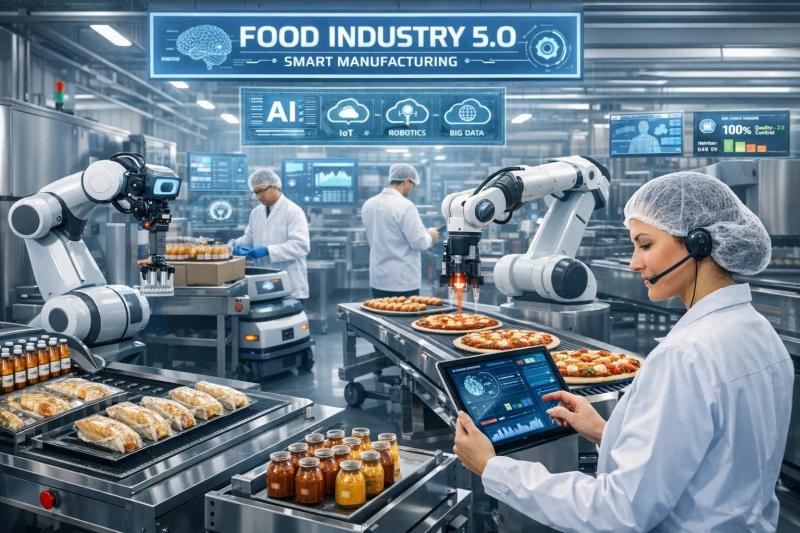
Modern food processing plants are increasingly adopting digital solutions to optimize every aspect of production. Predictive lubrication can be integrated with other smart manufacturing tools, such as:
- IoT-enabled sensors for real-time data collection on equipment health.
- Automated lubrication systems that respond to sensor inputs.
- Data analytics platforms that provide actionable insights for maintenance teams.
Combining these technologies enables a holistic approach to asset management and supports continuous improvement initiatives. For example, predictive lubrication data can inform bottleneck analysis and help improve throughput, as discussed in our article on ways to improve throughput with bottleneck analysis.
Challenges and Considerations When Implementing Predictive Lubrication
While the advantages are clear, there are important factors to consider when adopting predictive lubrication in food-grade environments:
- Initial Investment: Upfront costs for sensors, software, and integration can be significant, though often offset by long-term savings.
- Staff Training: Maintenance teams need training to interpret data and respond to alerts effectively.
- System Calibration: Ensuring sensors and lubrication systems are properly calibrated for food-grade applications is essential for safety and compliance.
- Data Management: Handling and analyzing large volumes of equipment data requires robust IT infrastructure and clear protocols.
Despite these challenges, the long-term operational and safety benefits make predictive lubrication an attractive option for forward-thinking food manufacturers.
Frequently Asked Questions
What types of food-grade lubricants are used in predictive lubrication systems?
Predictive lubrication systems in food processing typically use NSF H1 or H2 certified lubricants. These are specifically formulated to be safe for incidental food contact and are designed to meet stringent hygiene and safety standards required in the industry.
How does predictive lubrication differ from traditional lubrication methods?
Traditional lubrication often relies on fixed schedules or manual checks, which can lead to over- or under-lubrication. Predictive lubrication uses real-time data from sensors to determine exactly when and where lubrication is needed, reducing waste and improving equipment reliability.
Is predictive lubrication suitable for all types of food processing equipment?
Most modern food processing machinery can benefit from predictive lubrication, especially critical assets like conveyors, mixers, and packaging machines. However, implementation should be tailored to the specific requirements and risk profile of each piece of equipment.
Conclusion
Adopting predictive lubrication for food-grade machinery is a strategic move that supports operational excellence, food safety, and regulatory compliance. By leveraging real-time data and targeted maintenance, manufacturers can extend equipment life, reduce costs, and maintain the highest standards of product integrity. As the food industry continues to embrace digital transformation, predictive lubrication stands out as a practical and effective way to future-proof production lines and safeguard consumer trust.