

Thermal imaging has emerged as a transformative technology in the food industry, enabling rapid, non-contact inspection of products on production lines. By detecting temperature variations and visualizing heat patterns, this approach helps identify inconsistencies, contamination, and quality issues without physically touching the food. As food safety regulations tighten and consumer expectations rise, manufacturers are increasingly turning to non-contact inspection methods to ensure product integrity while maintaining efficiency.
Understanding how to use thermal imaging for food inspection can help food processors detect problems early, reduce waste, and improve compliance. This article explores the principles, practical steps, and best practices for integrating infrared cameras into food quality control, along with real-world benefits and challenges.
For those interested in broader applications of vision technology in food processing, the role of computer vision in fruit grading provides additional insights into automated quality control.
Principles Behind Infrared Food Inspection
Infrared imaging works by capturing the heat emitted from objects. Every material emits infrared radiation as a function of its temperature. Food products—whether raw, cooked, or packaged—display unique thermal signatures depending on their composition, moisture content, and processing state. By analyzing these signatures, thermal cameras can reveal:
- Temperature uniformity in cooked or chilled products
- Foreign objects or contaminants with different thermal properties
- Packaging leaks or seal failures
- Improperly processed or undercooked items
Unlike traditional inspection methods, this technology does not require direct contact, making it ideal for high-speed production lines and sensitive products.
Setting Up a Non-Contact Thermal Inspection System
Implementing thermal imaging for food inspection involves several key steps to ensure accurate and reliable results:
- Selecting the Right Camera: Choose a thermal camera with appropriate resolution, sensitivity, and frame rate for your application. Higher resolution is crucial for small or detailed products, while fast frame rates are needed for rapid conveyor lines.
- Positioning the Equipment: Mount cameras above or beside the conveyor to capture a clear view of each item. Avoid obstructions and ensure even lighting to minimize reflections or false readings.
- Calibrating for Accuracy: Regularly calibrate the system using reference temperature sources. This helps adjust for ambient conditions and ensures consistent detection of anomalies.
- Integrating with Automation: Connect the camera system to alarms, reject mechanisms, or data logging software. This allows for real-time removal of defective products and traceability.
- Training Operators: Staff should understand how to interpret thermal images and respond to alerts. Ongoing training helps maintain system effectiveness.
Applications in Modern Food Processing
Thermal imaging is used across a wide range of food sectors. Some common applications include:
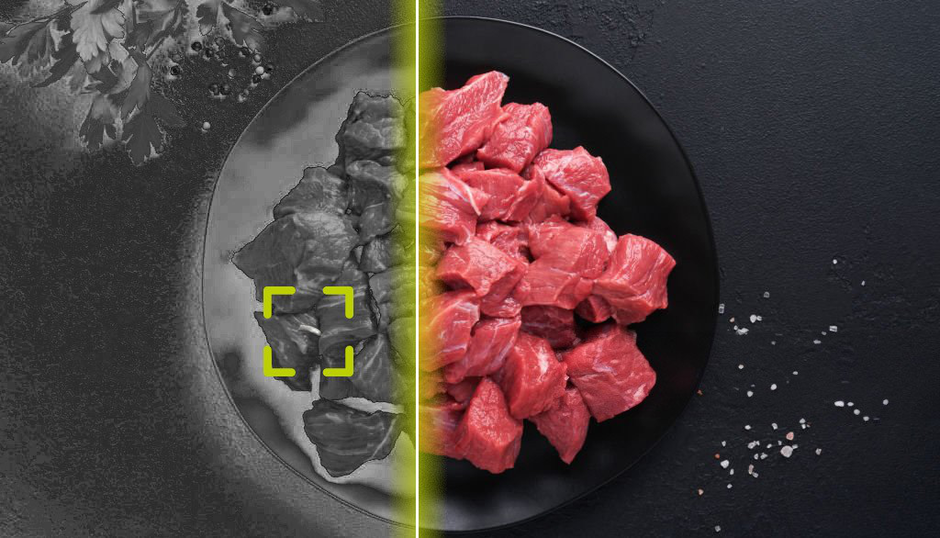
- Detecting Undercooked or Overcooked Products: In bakeries, meat processing, and ready-meal production, temperature mapping ensures products are cooked evenly, reducing food safety risks.
- Identifying Foreign Materials: Non-food objects such as plastic, glass, or metal often have distinct thermal signatures, allowing for rapid detection and removal.
- Monitoring Packaging Integrity: Leaks or poor seals in vacuum packs, cans, or trays can be spotted by irregular heat patterns, preventing spoilage and recalls.
- Chilled and Frozen Goods Inspection: Ensures that cold chain requirements are met by verifying surface and internal temperatures.
These applications help manufacturers meet regulatory standards and improve consumer trust.
Advantages of Non-Contact Food Inspection with Thermal Imaging
Adopting thermal inspection technology offers several important benefits:
- Hygienic and Non-Destructive: No risk of cross-contamination or product damage, as there is no physical contact.
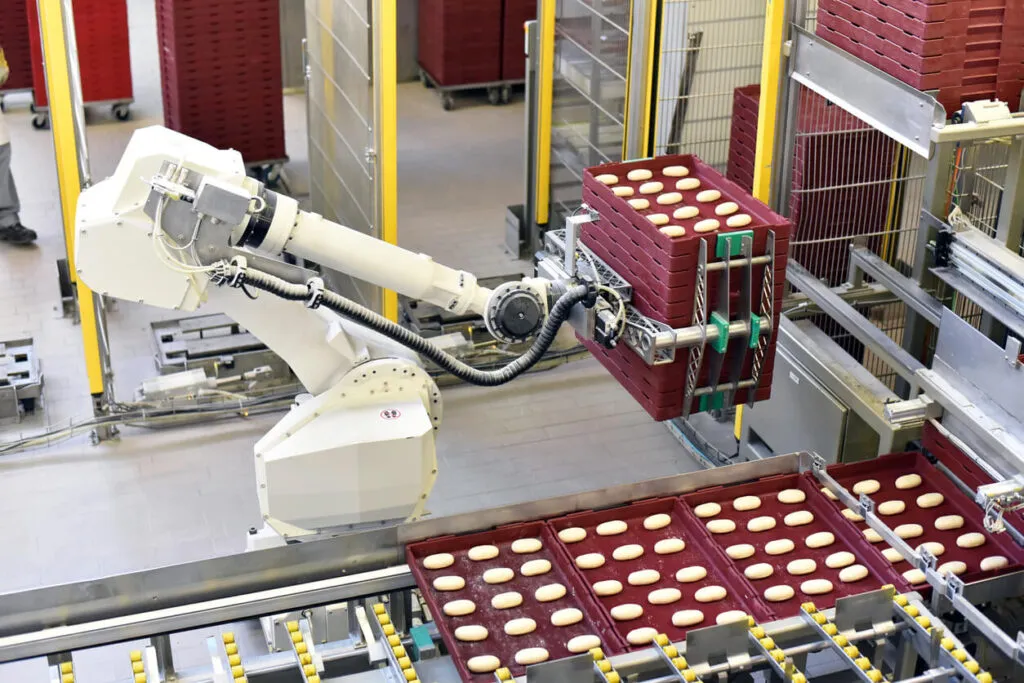
- High Throughput: Suitable for fast-moving production lines, with instant analysis and minimal disruption.
- Early Fault Detection: Quickly identifies issues before they reach the consumer, reducing waste and recalls.
- Data-Driven Quality Control: Thermal data can be stored and analyzed for process optimization and traceability.
When combined with other technologies, such as ways to improve throughput with bottleneck analysis, manufacturers can further enhance efficiency and product quality.
Challenges and Considerations in Infrared Food Quality Control
While thermal imaging for food inspection brings many advantages, there are also challenges to address:
- Surface vs. Internal Temperatures: Infrared cameras measure surface heat, which may not always reflect internal product conditions. Combining with other sensors or techniques may be necessary for certain foods.
- Reflective or Transparent Packaging: Some materials can distort thermal readings, requiring careful setup or alternative inspection points.
- Calibration and Maintenance: Regular calibration is essential to avoid drift and maintain accuracy, especially in changing production environments.
- Initial Investment: High-quality thermal systems can be costly, but the return on investment is often realized through reduced waste and improved compliance.
Staying informed about the importance of predictive maintenance in food manufacturing can also help maximize the lifespan and reliability of inspection equipment.
Best Practices for Implementing Thermal Imaging in Food Plants
To get the most from non-contact thermal inspection, consider these best practices:
- Conduct a Pilot Study: Test the system on a small scale to identify potential issues and fine-tune settings before full deployment.
- Integrate with Existing Quality Systems: Combine thermal data with other inspection methods, such as X-ray or machine vision, for comprehensive coverage.
- Document Procedures: Maintain clear protocols for calibration, maintenance, and response to alerts.
- Continuous Training: Regularly update staff on new features, troubleshooting, and interpretation of results.
- Monitor Performance: Use analytics to track false positives/negatives and adjust system parameters as needed.
For environments with unique challenges, such as high humidity, learning about how to choose sensors for high-humidity environments can further optimize inspection accuracy.
Future Trends in Automated Food Quality Assurance
The integration of thermal imaging with artificial intelligence and machine learning is paving the way for even more accurate and automated food inspection. Advanced algorithms can now analyze complex thermal patterns, detect subtle defects, and adapt to new products with minimal human intervention. As technology evolves, expect to see:
- Greater use of multi-sensor systems combining thermal, visual, and X-ray data
- Cloud-based analytics for real-time monitoring across multiple facilities
- Enhanced traceability and reporting for regulatory compliance
These advancements will help food manufacturers stay ahead of safety standards and consumer demands.
Frequently Asked Questions
What types of food products benefit most from thermal imaging inspection?
Thermal imaging is especially effective for products where temperature uniformity is critical, such as cooked meats, baked goods, dairy, and ready-to-eat meals. It is also valuable for detecting packaging leaks and inspecting chilled or frozen foods.
Can thermal imaging detect all types of contaminants in food?
While thermal cameras can identify foreign objects with different heat signatures, they may not detect contaminants that have similar thermal properties to the food itself. For comprehensive safety, it is best to use thermal imaging alongside other inspection methods like X-ray or metal detection.
How often should a thermal inspection system be calibrated?
Calibration frequency depends on the environment and manufacturer recommendations. In most food processing plants, systems should be calibrated at least monthly, or whenever there are significant changes in ambient temperature or production conditions.
Conclusion
Understanding how to use thermal imaging for food inspection empowers food manufacturers to achieve higher standards of quality and safety. By leveraging non-contact technology, companies can detect issues early, reduce waste, and maintain compliance with evolving regulations. As the industry advances, combining thermal imaging with other smart systems will further enhance food inspection and consumer confidence.