
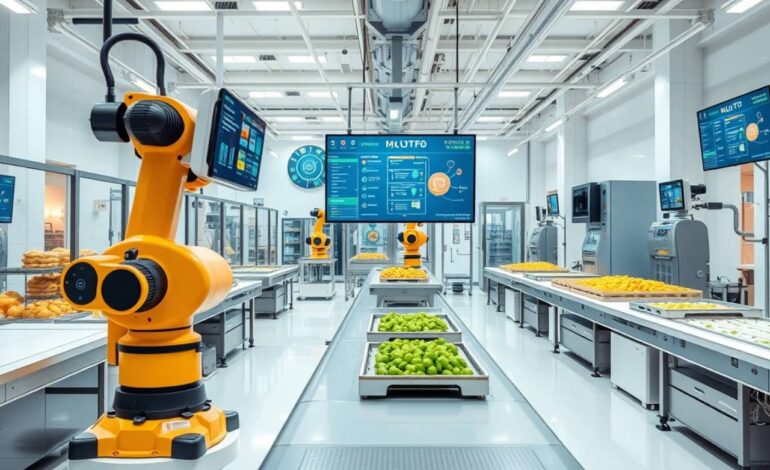
Maintaining consistent taste and quality is a top priority for food and beverage manufacturers. As production scales up, even minor variations in ingredients, processing, or equipment can lead to noticeable changes in the final product’s flavor. Understanding how to predict flavor profile shifts in large batches is essential for ensuring customer satisfaction and brand reliability.
This guide explores the science and technology behind anticipating taste changes during large-scale production. We’ll cover the main causes of flavor drift, practical monitoring strategies, and how data-driven tools can help you stay ahead of unwanted variations. Whether you’re managing a beverage line, a sauce plant, or a snack facility, these insights will help you deliver a consistent product every time.
For those interested in the intersection of automation and quality control, you may also want to read about the role of computer vision in fruit grading and how it supports consistent product standards in modern food processing.
Why Flavor Consistency Is Challenging in Large-Scale Manufacturing
Scaling up from small test batches to full-scale production introduces new variables that can impact taste, aroma, and mouthfeel. In small batches, it’s easier to control ingredient quality, mixing times, and temperatures. However, in large operations, even slight deviations can become amplified, making it more difficult to maintain the intended flavor profile.
- Ingredient variability: Natural ingredients, such as spices, fruits, or dairy, can vary in potency and composition from lot to lot.
- Equipment differences: Larger tanks, pipes, and mixers may not distribute heat or blend ingredients as evenly as smaller equipment.
- Process scaling: Time, temperature, and flow rates often need adjustment when moving to higher volumes, which can affect chemical reactions and flavor development.
- Environmental factors: Changes in humidity, temperature, or even water quality can subtly alter the final taste.
Recognizing these challenges is the first step in developing robust systems to anticipate and correct flavor shifts before they reach the consumer.
Key Factors That Influence Flavor Shifts in Bulk Production
To accurately forecast changes in taste, it’s important to understand the main contributors to flavor variation in large batch processing:
- Raw Material Quality: Fluctuations in ingredient quality, such as ripeness, moisture content, or supplier differences, can have a significant impact on the end product.
- Processing Conditions: Variations in heating, cooling, mixing, and holding times can alter chemical reactions responsible for flavor formation.
- Equipment Wear and Maintenance: Over time, equipment can develop residue, scaling, or uneven wear, leading to inconsistent processing and taste. For more on this, see predictive maintenance strategies in the food industry.
- Batch-to-Batch Carryover: Incomplete cleaning or residual materials from previous batches can introduce off-flavors or unexpected notes.
By monitoring these factors, manufacturers can identify the root causes of flavor drift and take corrective action early in the process.
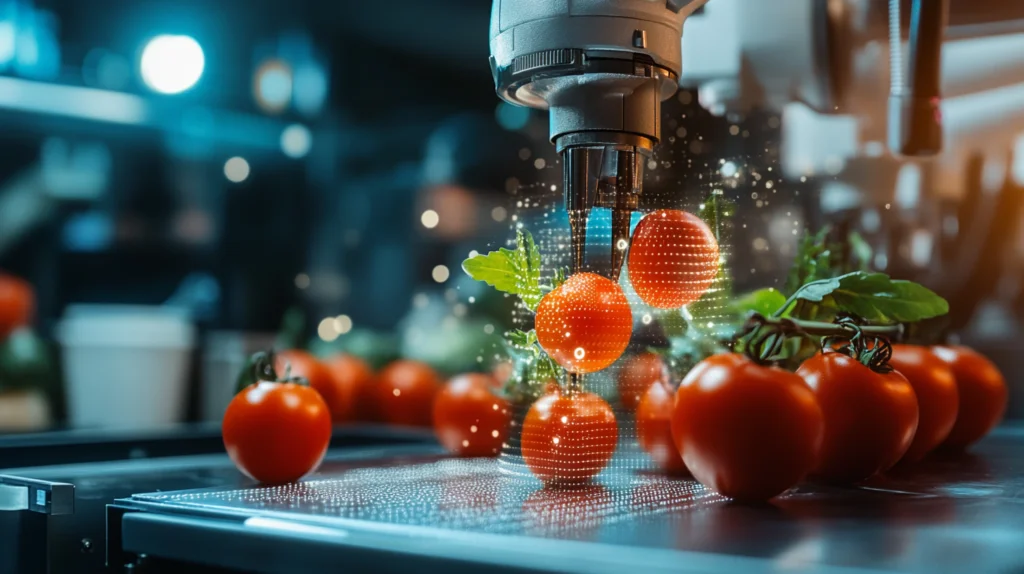
Analytical Tools for Anticipating Taste Changes
Modern food production increasingly relies on analytical methods and digital technologies to detect and predict flavor changes at scale. Here are some of the most effective approaches:
1. Sensory Analysis and Trained Panels
Human taste panels remain a gold standard for evaluating product consistency. Trained assessors can detect subtle differences that may not be captured by instruments. However, sensory analysis can be subjective and time-consuming, so it’s often combined with other methods for a comprehensive approach.
2. Instrumental Flavor Profiling
Technologies such as gas chromatography, mass spectrometry, and electronic noses can objectively measure volatile compounds and flavor markers. These instruments provide quantitative data on aroma and taste components, allowing for precise tracking of changes between batches.
3. Data-Driven Predictive Models
Machine learning and statistical modeling are increasingly used to analyze production data and predict when a batch may deviate from the desired flavor profile. By correlating process parameters (like temperature, pH, and mixing speed) with sensory outcomes, these models can alert operators to potential issues before they impact the final product.
For example, predictive systems can help reduce product giveaway and overfill, as discussed in this article on how predictive systems reduce product giveaway.
Best Practices for Monitoring and Controlling Flavor in Large Batches
Implementing a proactive monitoring system is key to minimizing unwanted taste changes. Consider these best practices:
- Standardize ingredient sourcing: Work closely with suppliers to ensure consistent quality and establish detailed specifications for critical ingredients.
- Automate process controls: Use sensors and automated systems to monitor key variables like temperature, pH, and mixing speed in real time.
- Regular equipment maintenance: Schedule routine cleaning and inspection to prevent buildup and ensure uniform processing. For more on this, explore what is condition monitoring for food equipment.
- Batch sampling and rapid testing: Collect samples at multiple points during production and use quick analytical tests to catch deviations early.
- Historical data analysis: Maintain detailed records of batch parameters and sensory results to identify trends and predict future shifts.

Leveraging Technology to Predict Flavor Profile Shifts
Advancements in digital manufacturing and artificial intelligence are transforming how producers manage flavor consistency. Here’s how technology is making a difference:
Real-Time Process Monitoring
Smart sensors and IoT devices continuously track critical process variables. When integrated with production software, these systems can flag anomalies that may lead to off-flavors, enabling rapid intervention.
Predictive Analytics and Machine Learning
By feeding historical batch data into predictive algorithms, manufacturers can forecast when a process is likely to produce a flavor deviation. These tools can also suggest optimal process adjustments to maintain the desired taste.
Automated Quality Control
Automated sampling and testing systems reduce human error and speed up quality checks. Combined with advanced analytics, they provide a robust framework for maintaining flavor standards at scale.
For facilities operating in challenging environments, such as those with high humidity, it’s also important to select the right sensors. Learn more about how to choose sensors for high-humidity environments to ensure reliable data collection.
FAQ: Addressing Common Questions About Flavor Consistency in Large Batches
What are the main causes of flavor drift during large-scale food production?
Flavor drift can result from ingredient variability, changes in processing conditions, equipment wear, and environmental factors. Monitoring these variables closely helps reduce the risk of unwanted taste changes.
How can predictive models help maintain flavor consistency?
Predictive models use historical data and real-time process information to identify trends and forecast potential deviations. By alerting operators to risks before they affect the product, these tools support proactive quality control.
Is sensory testing still important when using advanced analytics?
Yes, sensory testing by trained panels remains valuable for detecting subtle flavor differences that instruments may miss. Combining sensory analysis with analytical and digital tools provides the most comprehensive approach to flavor management.
Conclusion
Ensuring flavor consistency in large-scale production is a complex challenge, but it’s achievable with the right combination of process control, analytical testing, and predictive technology. By understanding the variables that influence taste and implementing robust monitoring systems, manufacturers can reliably deliver products that meet consumer expectations. Staying informed about the latest advances in food processing—such as ways to improve throughput with bottleneck analysis—will further support quality and efficiency in your operations.