
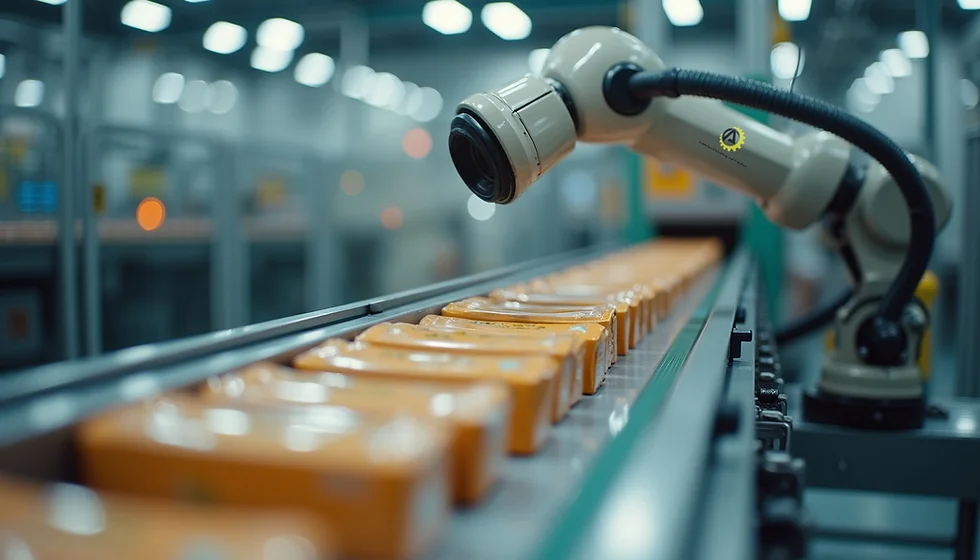
Machine learning is rapidly transforming how the food industry approaches quality assurance and safety. By leveraging advanced algorithms, food manufacturers can now detect defects, predict contamination risks, and optimize processes with unprecedented accuracy. As global supply chains become more complex and consumer expectations for safety and transparency increase, integrating intelligent systems into food quality control is no longer optional—it’s essential for maintaining competitive advantage and regulatory compliance.
This article explores how artificial intelligence and data-driven technologies are reshaping food quality management. We’ll look at practical applications, the benefits and challenges of implementation, and how these innovations are setting new standards for food safety. If you’re interested in the technical side of food processing, you may also find value in our guide to sensor technology for food processing lines, which covers the hardware that often works hand-in-hand with machine learning solutions.
How AI is Revolutionizing Food Safety and Inspection
The integration of machine learning in food quality control has led to significant improvements in detecting contaminants, monitoring production environments, and automating inspection tasks. Traditional quality checks often rely on manual sampling and visual inspection, which can be inconsistent and prone to human error. In contrast, AI-powered systems analyze vast amounts of data from sensors, cameras, and other sources in real time, enabling more reliable and objective assessments.
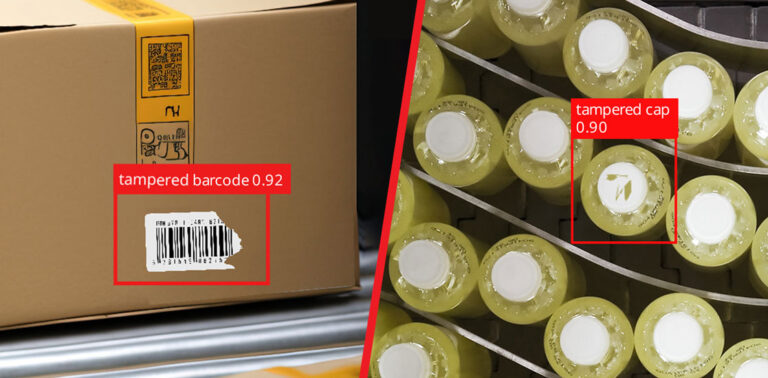
Some of the most common applications include:
- Automated visual inspection for identifying foreign objects, surface defects, or improper packaging using computer vision.
- Predictive analytics to forecast spoilage, contamination, or equipment failure based on historical and real-time data.
- Process optimization by adjusting variables such as temperature, humidity, or ingredient mix to maintain consistent product quality.
These advancements not only improve safety but also reduce waste and operational costs, making them attractive for both large-scale manufacturers and smaller producers.
Key Benefits of Machine Learning in Food Quality Control
Adopting AI-driven quality control brings several tangible advantages to the food industry:
- Enhanced accuracy: Algorithms can detect subtle defects or anomalies that may be missed by human inspectors.
- Faster decision-making: Real-time data analysis enables immediate corrective action, minimizing the risk of defective products reaching consumers.
- Scalability: Automated systems can handle large volumes of products without fatigue, ensuring consistent quality across batches.
- Regulatory compliance: Detailed data logs and traceability features simplify audits and help meet stringent food safety standards.
- Cost savings: Early detection of issues reduces recalls, waste, and downtime, leading to more efficient operations.
For a deeper dive into the advantages of predictive analytics in this sector, our article on the benefits of predictive analytics for food safety provides a comprehensive overview.
Real-World Applications in the Food Industry
The practical uses of machine learning for food quality assurance span a wide range of processes and product types. Here are some notable examples:
- Contaminant detection: Computer vision systems, trained on thousands of images, can spot foreign materials such as glass, plastic, or metal fragments in packaged foods.
- Spoilage prediction: By analyzing sensor data from storage facilities, AI models can forecast when products are likely to spoil, allowing for proactive inventory management.
- Process monitoring: Machine learning algorithms monitor variables like temperature, pH, and moisture to ensure optimal conditions throughout production.
- Packaging inspection: Automated systems verify that labels are correct, seals are intact, and tampering has not occurred, reducing the risk of recalls.
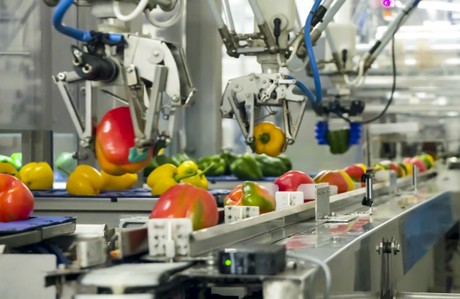
These applications demonstrate how intelligent systems are not only improving safety but also enabling more sustainable and efficient food production.
Challenges and Considerations for Implementation
While the advantages of AI in food quality control are clear, implementing these technologies comes with its own set of challenges:
- Data quality and availability: Machine learning models require large amounts of high-quality data for training. Inconsistent or incomplete data can limit effectiveness.
- Integration with legacy systems: Many food processing facilities use older equipment that may not be compatible with modern AI platforms.
- Cost and expertise: Deploying and maintaining AI solutions can require significant investment and specialized knowledge.
- Change management: Employees may need training to work alongside automated systems and interpret AI-generated insights.
Despite these hurdles, the long-term benefits often outweigh the initial obstacles. For those interested in the technical and organizational steps involved, our resource on how to implement predictive modeling in food production offers practical guidance.
Predictive Maintenance and Food Manufacturing
A crucial aspect of ensuring consistent product quality is maintaining equipment reliability. Predictive maintenance uses machine learning to analyze sensor data and anticipate failures before they occur. This approach minimizes unplanned downtime, extends equipment life, and reduces maintenance costs.
For a detailed explanation of how predictive maintenance works and its impact on food manufacturing, see our article on what is predictive maintenance in food manufacturing. You can also explore the predictive maintenance glossary for definitions and industry terminology.
Future Trends in AI-Driven Food Quality Assurance
The next wave of innovation in food quality control with machine learning will likely focus on greater automation, increased use of IoT devices, and more sophisticated data analytics. Advances in deep learning and edge computing are enabling faster, more accurate decision-making directly on the production line.
As regulatory requirements evolve and consumer demand for transparency grows, food companies will need to invest in technologies that provide real-time insights and traceability. The integration of AI with blockchain, for example, could further enhance supply chain transparency and trust.
For those interested in how predictive tools are shaping the industry, our guide on how predictive tools work in food processing provides additional context and examples.
FAQ
How does machine learning improve food safety?
Machine learning enhances food safety by automating the detection of contaminants, predicting spoilage, and monitoring production environments in real time. These systems reduce human error and enable faster responses to potential hazards, helping prevent unsafe products from reaching consumers.
What are the main challenges of using AI in food quality control?
Key challenges include the need for high-quality data, integrating new technologies with existing equipment, the cost of implementation, and ensuring staff are trained to use and trust AI-driven insights. Overcoming these hurdles often requires a phased approach and collaboration between IT, operations, and quality assurance teams.
Can small food producers benefit from machine learning technologies?
Yes, even small and medium-sized food businesses can benefit from AI-powered quality control. Cloud-based solutions and modular sensor systems make it more affordable and accessible, allowing smaller producers to improve safety, reduce waste, and meet regulatory requirements.