
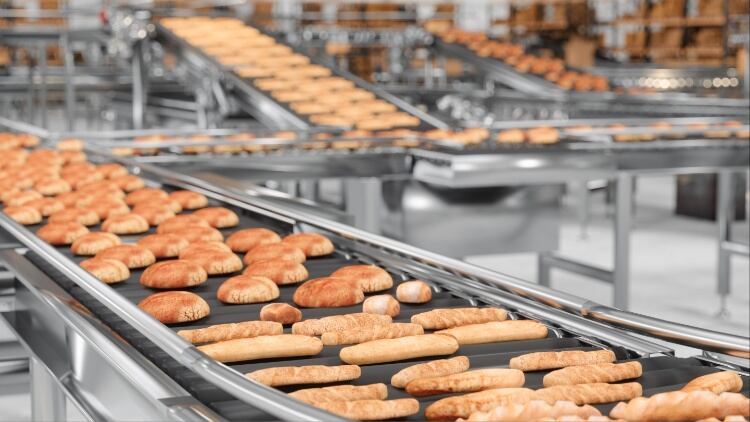
Food manufacturers and retailers face increasing pressure to ensure product quality, reduce waste, and comply with stringent safety regulations. Accurately estimating and tracking the shelf life of food products is critical for maintaining freshness and minimizing losses. In recent years, predictive tools for shelf life estimation have transformed how the food industry approaches these challenges, offering data-driven insights and automation that streamline operations.
This article explores the most effective digital solutions and software platforms for forecasting food shelf life and monitoring product conditions throughout the supply chain. We’ll discuss the science behind these technologies, their practical applications, and how they help businesses stay ahead in a competitive market. For a deeper dive into the technical foundations of these systems, you may also find value in this comprehensive guide to how predictive tools work in food processing.
Understanding Food Shelf Life and Its Challenges
Shelf life refers to the period during which a food product remains safe to consume and retains its desired sensory, chemical, and physical characteristics. Determining this timeframe is complex, as it depends on factors such as ingredient composition, packaging, storage conditions, and microbial activity. Traditional methods—like laboratory testing and fixed-date labeling—are often time-consuming, costly, and may not reflect real-world variability.
Modern predictive tools for shelf life estimation address these limitations by combining scientific modeling, sensor data, and artificial intelligence. These solutions enable food producers to make more accurate predictions, optimize inventory, and reduce unnecessary waste.
Key Features of Predictive Shelf Life Estimation Tools
The latest generation of shelf life management platforms offers a range of features designed to enhance accuracy and usability. Here are some core capabilities to look for:
- Dynamic modeling: Advanced algorithms simulate how products degrade under different conditions, accounting for variables like temperature, humidity, and light exposure.
- Integration with IoT sensors: Real-time data from smart sensors provides up-to-date information on storage environments, enabling continuous monitoring and adjustment of shelf life predictions.
- Automated alerts and reporting: Systems can notify staff when products approach the end of their shelf life, helping prevent spoilage and ensuring timely stock rotation.
- Regulatory compliance: Many platforms include features to support food safety standards and documentation, simplifying audits and reporting.

Top Digital Solutions for Shelf Life Forecasting
Several software providers and technology companies have developed robust platforms for shelf life management. While each solution has unique strengths, the following stand out for their innovation and industry adoption:
- AI-powered shelf life prediction platforms: These tools use machine learning to analyze historical data, ingredient profiles, and environmental factors. They can adapt to new information, improving accuracy over time.
- Cloud-based inventory and quality management systems: By centralizing data from production, storage, and distribution, these platforms offer a holistic view of product status and shelf life across the supply chain.
- IoT-enabled monitoring solutions: Integration with smart sensors allows for continuous tracking of temperature, humidity, and other critical variables, ensuring that shelf life estimates reflect actual conditions.
- Simulation and modeling software: These applications enable food scientists to test different formulations, packaging options, and storage scenarios virtually, reducing the need for lengthy physical trials.
For a practical overview of how sensor technology supports these predictive systems, see this guide to sensor technology for food processing lines.
Benefits of Using Predictive Tools in Shelf Life Management
Adopting digital solutions for shelf life estimation offers significant advantages for food businesses:
- Reduced food waste: More accurate predictions mean fewer products are discarded unnecessarily, supporting both sustainability and profitability.
- Enhanced food safety: Real-time monitoring and automated alerts help prevent the sale of expired or unsafe products.
- Optimized inventory: Dynamic shelf life tracking enables better stock rotation and reduces the risk of out-of-stock or overstock situations.
- Regulatory assurance: Automated documentation and compliance features simplify audits and support adherence to food safety standards.
- Cost savings: By minimizing waste and improving operational efficiency, predictive platforms deliver measurable financial benefits.

How Predictive Analytics Is Transforming Food Shelf Life Estimation
The integration of predictive analytics into shelf life management is reshaping the food industry. By leveraging large datasets and advanced modeling, companies can anticipate spoilage risks, optimize production schedules, and respond quickly to changes in demand or supply chain disruptions.
For example, predictive maintenance solutions—like those described in this overview of predictive maintenance in production—help ensure that equipment operates within optimal parameters, indirectly supporting accurate shelf life estimation by maintaining consistent processing conditions.
To further explore the operational impact of these technologies, you may be interested in a detailed explanation of what is predictive maintenance in food manufacturing.
Implementing Predictive Platforms: Steps for Success
Transitioning to a digital shelf life management system involves several key steps:
- Assess current processes: Map out existing shelf life estimation and tracking workflows to identify pain points and data gaps.
- Select the right technology: Choose a platform that aligns with your product range, operational scale, and integration needs.
- Integrate with existing systems: Ensure seamless data flow between production, inventory, and quality management platforms.
- Train staff: Provide training on new tools and processes to maximize adoption and minimize errors.
- Monitor and optimize: Continuously review system performance, update models with new data, and refine processes as needed.
For actionable advice on rolling out these technologies, consider reading about how to implement predictive modeling in food production.
Future Trends in Shelf Life Prediction Technology
As digital transformation accelerates, several trends are shaping the future of shelf life estimation:
- Greater use of artificial intelligence: Machine learning models are becoming more sophisticated, enabling hyper-personalized shelf life predictions based on real-time data.
- Blockchain integration: Distributed ledgers can enhance traceability and transparency, allowing stakeholders to verify product history and condition at every stage.
- Expanded sensor networks: Advances in IoT technology are making it easier to monitor environmental conditions throughout the supply chain, from farm to fork.
- Consumer-facing applications: Mobile apps and smart labels may soon provide shoppers with up-to-date shelf life information, empowering better purchasing decisions.
These innovations are expected to further reduce waste, improve food safety, and drive efficiency across the industry. For more on the broader impact of analytics in food safety, see this resource on the benefits of predictive analytics for food safety.
FAQ: Predictive Shelf Life Estimation in Food Industry
What data is required for accurate shelf life prediction?
Effective shelf life forecasting relies on a combination of product-specific data (such as ingredients, formulation, and packaging), environmental conditions (temperature, humidity, light), and historical quality testing results. The more comprehensive and real-time the data, the more precise the predictions.
How do predictive tools differ from traditional shelf life testing?
Traditional methods often involve laboratory testing and fixed-date labeling based on worst-case scenarios. Predictive platforms use dynamic models and real-time data to provide more accurate, situation-specific estimates, reducing unnecessary waste and improving food safety.
Can small and medium-sized food businesses benefit from these technologies?
Yes, many predictive solutions are scalable and can be tailored to the needs of smaller operations. Cloud-based platforms and modular sensor systems make it easier for businesses of all sizes to adopt advanced shelf life management without significant upfront investment.