
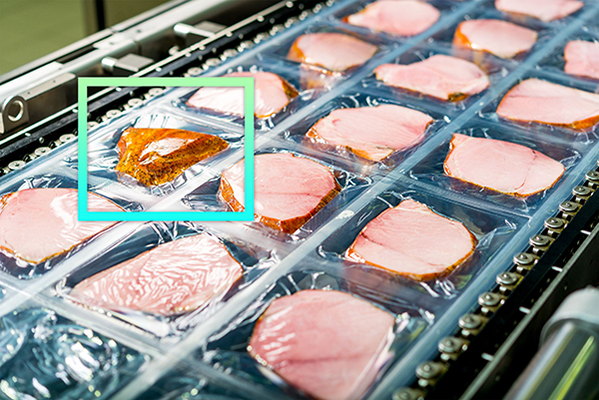
Advancements in artificial intelligence are transforming the food processing industry, especially in the area of automated sorting. Understanding neural networks for food sorting is essential for manufacturers aiming to boost efficiency, reduce waste, and maintain high product quality. These AI-driven systems can analyze complex visual data, identify subtle differences in food products, and make real-time decisions that previously required human expertise.
As food safety standards become stricter and consumer expectations rise, the demand for reliable, high-speed sorting solutions continues to grow. Neural networks, a subset of machine learning, are at the core of this technological shift. They enable machines to learn from data, recognize patterns, and adapt to new sorting challenges with minimal human intervention.
For those interested in how these smart systems integrate with other factory technologies, exploring the role of edge computing in food processing lines can provide valuable context on how data processing and decision-making are evolving on the factory floor.
How Neural Networks Power Modern Food Sorting
At the heart of today’s most advanced sorting machines are neural networks—computational models inspired by the human brain. These systems excel at recognizing patterns in large datasets, making them ideal for distinguishing between acceptable and defective food items. In practice, neural networks are trained on thousands of images or sensor readings, learning to classify products based on color, shape, size, texture, or even internal defects.
For example, in sorting fruits and vegetables, a neural network can be trained to detect blemishes, bruises, or irregularities that might not be visible to the naked eye. Once deployed, the system processes images captured by high-speed cameras or sensors, making split-second decisions to accept or reject each item as it moves along the conveyor.
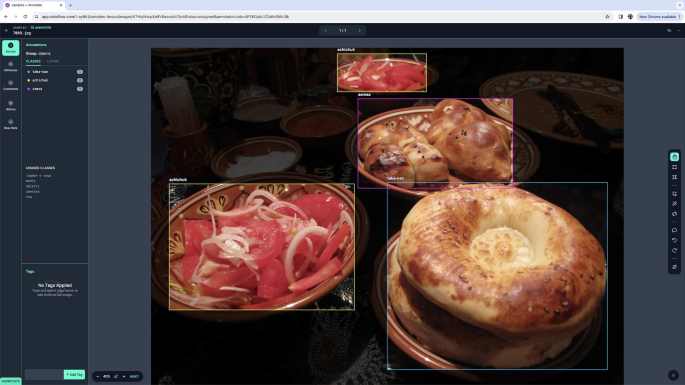
The ability to adapt is a key advantage. As new types of defects emerge or product standards change, neural networks can be retrained with updated data, ensuring consistent performance over time.
Key Benefits of AI-Based Sorting in Food Processing
Implementing AI-driven food sorting systems brings several tangible benefits to manufacturers:
- Increased Accuracy: Neural networks can detect minute differences and subtle defects that traditional rule-based systems might miss.
- Higher Throughput: Automated systems can process thousands of items per minute, far surpassing manual inspection speeds.
- Reduced Waste: By accurately identifying and removing only defective items, less good product is discarded, improving yield and sustainability.
- Consistent Quality: Automated sorting ensures each product meets strict quality standards, reducing the risk of recalls or customer complaints.
- Adaptability: Neural networks can be retrained for new products or changing quality criteria, making them future-proof investments.
These advantages are especially important in industries where product variability is high, such as fresh produce, nuts, or bakery items.
Applications of Neural Networks in Food Sorting
The use of neural networks for food sorting spans a wide range of applications. Some of the most common include:
- Fruit and Vegetable Sorting: Identifying ripeness, blemishes, and foreign objects in apples, tomatoes, potatoes, and more.
- Grain and Nut Inspection: Detecting mold, insect damage, or size irregularities in nuts, seeds, and cereals.
- Meat and Seafood Quality Control: Assessing color, marbling, and the presence of bones or contaminants in cuts of meat or fish fillets.
- Baked Goods: Ensuring uniformity in shape, size, and color in products like bread, cookies, or pasta.

These systems are often integrated with other technologies, such as conveyor belts, robotic arms, and vision sensors, to create fully automated inspection lines.
Challenges in Implementing Neural Networks for Food Sorting
While the benefits are significant, deploying neural networks in food processing environments comes with unique challenges:
- Data Collection: High-quality, representative datasets are essential for training effective models. Gathering images or sensor data that cover all possible product variations can be time-consuming.
- Environmental Factors: Lighting changes, dust, moisture, and product variability can affect sensor readings and image quality, potentially reducing accuracy.
- Integration: Seamlessly connecting AI-based sorters with existing production lines, SCADA systems, or predictive maintenance tools requires careful planning and technical expertise.
- Cost: Initial investment in hardware, software, and training can be substantial, though long-term savings and efficiency gains often justify the expense.
To address these challenges, many manufacturers are adopting a phased approach, starting with pilot projects and gradually scaling up as confidence in the technology grows.
Optimizing Food Sorting with Predictive Maintenance and Edge Computing
For maximum efficiency, neural network-based sorters are increasingly paired with predictive maintenance and edge computing solutions. Predictive maintenance uses AI to anticipate equipment failures before they occur, minimizing downtime and repair costs. Edge computing enables data processing directly on the factory floor, reducing latency and ensuring real-time decision-making.
If you’re interested in starting a predictive maintenance program in your facility, this infographic on predictive maintenance in food production provides a helpful overview of the steps involved and the benefits you can expect.
Combining these technologies creates a robust, responsive sorting environment where neural networks not only ensure product quality but also help maintain the health of the entire production line.
Integrating Neural Networks with Other Food Processing Technologies
The future of food manufacturing lies in the seamless integration of AI-based sorting with other digital solutions. For instance, combining neural networks with SCADA and predictive software allows for centralized monitoring and control, while real-time oven temperature monitoring ensures consistent baking or cooking results.
Additionally, the impact of the industrial internet of things on food safety is becoming more pronounced as sensors and smart devices collect and share data across the production chain. This interconnected approach enables manufacturers to respond quickly to quality issues, trace products throughout the supply chain, and comply with evolving food safety regulations.
Best Practices for Deploying AI-Based Sorting Solutions
To get the most out of neural network-powered sorting systems, consider these best practices:
- Start Small: Begin with a pilot project focused on a single product line or sorting challenge. Use the results to refine your approach and build internal expertise.
- Invest in Quality Data: The accuracy of your neural network depends on the quality and diversity of your training data. Regularly update datasets to reflect seasonal changes and new product variations.
- Prioritize Integration: Work closely with IT and operations teams to ensure smooth integration with existing equipment and software platforms.
- Monitor Performance: Continuously track sorting accuracy, throughput, and downtime. Use this data to fine-tune your models and identify areas for improvement.
- Stay Informed: Keep up with the latest developments in AI, machine learning, and food processing technology to maintain a competitive edge.
FAQ: Neural Networks and Food Sorting
How do neural networks improve food sorting accuracy?
Neural networks can analyze complex visual and sensor data, learning to recognize subtle defects and variations that traditional systems might overlook. This leads to more precise sorting, less waste, and higher product quality.
What types of food products benefit most from AI-based sorting?
Products with high variability—such as fruits, vegetables, nuts, and bakery items—see the greatest gains. Neural networks can adapt to changing product characteristics and quickly learn to identify new types of defects.
Is it difficult to integrate neural network-based sorters with existing equipment?
Integration requires careful planning, but modern systems are designed to work alongside conveyors, sensors, and other automation tools. Collaborating with technology partners and investing in staff training can help ensure a smooth transition.
What is the role of edge computing in food sorting?
Edge computing allows data from cameras and sensors to be processed locally, enabling real-time decision-making and reducing the need to send large amounts of data to the cloud. This is especially useful for high-speed sorting lines.
How can manufacturers ensure ongoing performance of AI-based sorting systems?
Regularly updating training data, monitoring system performance, and retraining neural networks as needed are key steps. Pairing sorting systems with predictive maintenance tools also helps maintain uptime and reliability.