
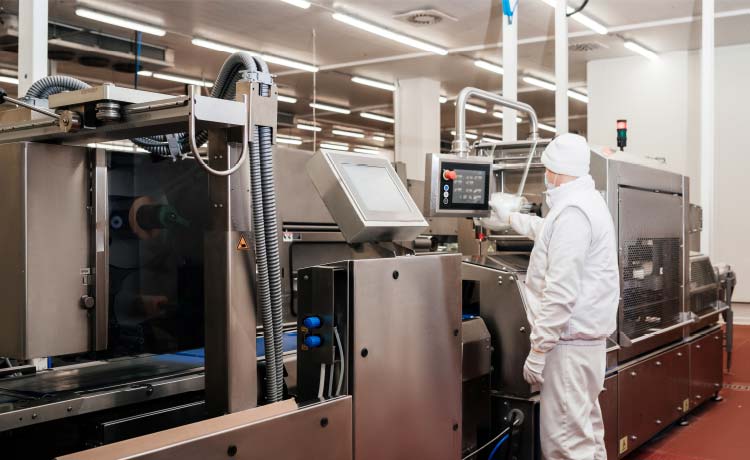
Food manufacturing environments demand high uptime, strict quality control, and compliance with rigorous safety standards. As a result, predictive maintenance has become a critical strategy for minimizing unplanned downtime and optimizing asset performance. However, moving from small pilot projects to plant-wide or multi-site predictive maintenance initiatives presents unique challenges. This article explores practical steps, proven strategies, and key considerations for expanding predictive maintenance efforts across food processing facilities.
Scaling maintenance programs involves more than just adding sensors or software. It requires a holistic approach that addresses technology integration, data management, staff training, and change management. By understanding the specific needs of food plants and leveraging industry best practices, manufacturers can unlock the full value of predictive analytics and ensure long-term operational success.
For those interested in related topics, our guide on role of edge computing in food processing lines offers valuable insights into how modern technology is reshaping food manufacturing operations.
Key Steps for Expanding Predictive Maintenance Initiatives
Successfully broadening predictive maintenance across a food plant requires a structured approach. Below are essential steps to ensure a smooth transition from pilot to full-scale deployment:
- Assess Current Capabilities: Evaluate existing maintenance processes, available data, and technology infrastructure. Identify gaps and areas for improvement.
- Standardize Data Collection: Consistent data from equipment is crucial. Standardize sensor types, data formats, and communication protocols for seamless integration.
- Prioritize High-Impact Assets: Focus initial scaling efforts on critical machines that have the greatest impact on production and safety.
- Integrate with Existing Systems: Ensure predictive maintenance tools work with your plant’s SCADA, MES, and ERP systems for unified operations. For more on this, see our article on how to integrate SCADA with predictive software.
- Develop Clear Workflows: Define how predictive insights translate into maintenance actions. Establish clear roles, responsibilities, and escalation paths.
- Train and Engage Staff: Provide training to maintenance teams, operators, and engineers. Foster a culture that embraces data-driven decision making.
Technology Foundations for Large-Scale Maintenance Programs
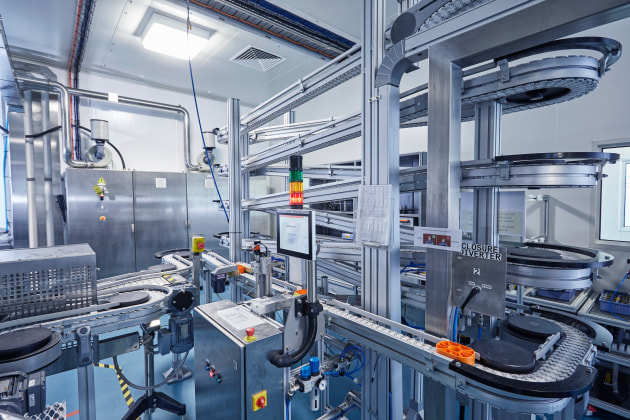
The backbone of any scalable predictive maintenance program is robust technology. Food plants must select solutions that not only deliver accurate predictions but also integrate seamlessly with existing infrastructure. Consider the following technology pillars:
- Edge Computing: Processing data at the edge reduces latency and bandwidth usage. This is especially important for real-time monitoring and rapid response in food production environments.
- Industrial IoT (IIoT) Devices: Modern sensors and connectivity solutions enable continuous monitoring of equipment health, vibration, temperature, and other key parameters.
- Cloud Analytics: Centralized data storage and advanced analytics platforms allow for deeper insights, benchmarking across sites, and scalable deployment of predictive models.
- AI and Machine Learning: Advanced algorithms can detect subtle patterns and predict failures earlier than traditional methods. For a deeper dive, see this overview of AI-powered predictive maintenance in food processing.
When selecting technology partners, prioritize solutions that offer open APIs, strong cybersecurity, and proven track records in the food and beverage sector.
Overcoming Common Challenges When Scaling Predictive Maintenance
Expanding predictive maintenance programs in food plants is not without obstacles. Some of the most common challenges include:
- Data Silos: Disparate systems and inconsistent data formats can hinder analytics. Standardizing data collection and investing in integration tools is essential.
- Change Management: Shifting from reactive or preventive maintenance to predictive approaches requires cultural change. Leadership support and ongoing communication are key.
- Resource Constraints: Limited budgets and skilled personnel can slow progress. Start with high-value assets and demonstrate ROI to justify further investment.
- Compliance and Food Safety: Maintenance activities must align with food safety regulations. Ensure that predictive maintenance actions are documented and auditable.
Addressing these challenges early helps ensure a smoother rollout and greater long-term success.
Best Practices for Sustainable Growth of Predictive Maintenance
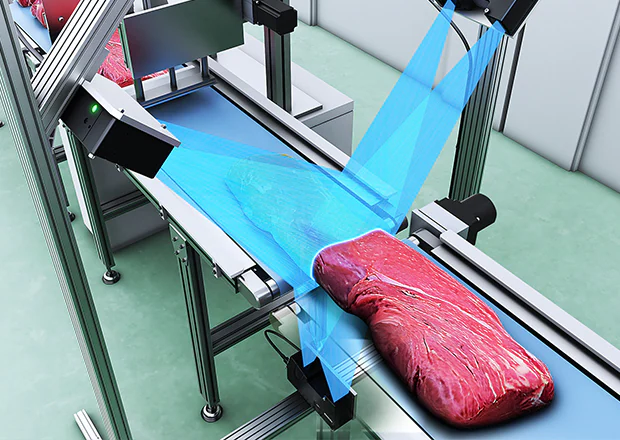
To ensure predictive maintenance programs continue to deliver value as they grow, food manufacturers should adopt the following best practices:
- Iterative Expansion: Scale in phases, starting with a pilot, then expanding to additional lines or sites. Use lessons learned to refine processes.
- Continuous Improvement: Regularly review performance metrics, update predictive models, and incorporate feedback from maintenance teams.
- Cross-Functional Collaboration: Involve IT, operations, quality, and maintenance departments to ensure alignment and buy-in.
- Leverage Industry Benchmarks: Compare your performance with industry standards to identify areas for improvement and justify investment.
- Document and Share Successes: Communicate wins to stakeholders to build momentum and support for further scaling.
For more on how digital transformation is impacting food safety and operational efficiency, explore our article on the impact of industrial internet of things on food safety.
Integrating Predictive Maintenance with Food Safety and Compliance
In the food industry, maintenance strategies must not only improve uptime but also support compliance with food safety regulations such as HACCP, FSMA, and GFSI standards. Predictive maintenance can help by:
- Reducing Contamination Risks: Early detection of equipment issues prevents breakdowns that could lead to product contamination.
- Supporting Traceability: Digital records of maintenance actions provide traceability for audits and inspections.
- Minimizing Downtime During Inspections: Predictive insights allow for proactive scheduling of maintenance, reducing the risk of unplanned outages during critical production windows.
By aligning predictive maintenance with food safety goals, plants can achieve both operational efficiency and regulatory compliance.
Measuring Success and Demonstrating ROI
A scalable predictive maintenance program should be measured by its impact on key business outcomes. Consider tracking the following metrics:
- Reduction in Unplanned Downtime: Monitor the frequency and duration of unexpected equipment failures.
- Maintenance Cost Savings: Compare costs before and after implementation, including spare parts, labor, and overtime.
- Asset Utilization: Track improvements in equipment uptime and overall equipment effectiveness (OEE).
- Food Safety Incidents: Record any reduction in incidents related to equipment failure.
Regularly reporting these metrics to stakeholders helps build support for continued investment and expansion.
FAQ
What are the first steps to expand predictive maintenance in a food plant?
Begin by assessing your current maintenance processes and technology infrastructure. Standardize data collection, prioritize critical assets, and ensure integration with existing systems. Engage staff early and provide training to support the transition.
How does predictive maintenance improve food safety?
Predictive maintenance helps identify equipment issues before they cause breakdowns or contamination. By maintaining equipment in optimal condition and documenting all maintenance actions, plants can support compliance with food safety regulations and reduce the risk of product recalls.
What challenges might food manufacturers face when scaling predictive maintenance?
Common challenges include data silos, change management, limited resources, and ensuring compliance with food safety standards. Addressing these issues through standardization, cross-functional collaboration, and strong leadership support is essential for success.
How can technology help scale predictive maintenance programs?
Technologies such as edge computing, IIoT devices, cloud analytics, and AI-powered algorithms enable real-time monitoring, advanced data analysis, and seamless integration across multiple sites. Selecting scalable, secure, and interoperable solutions is key to long-term growth.