
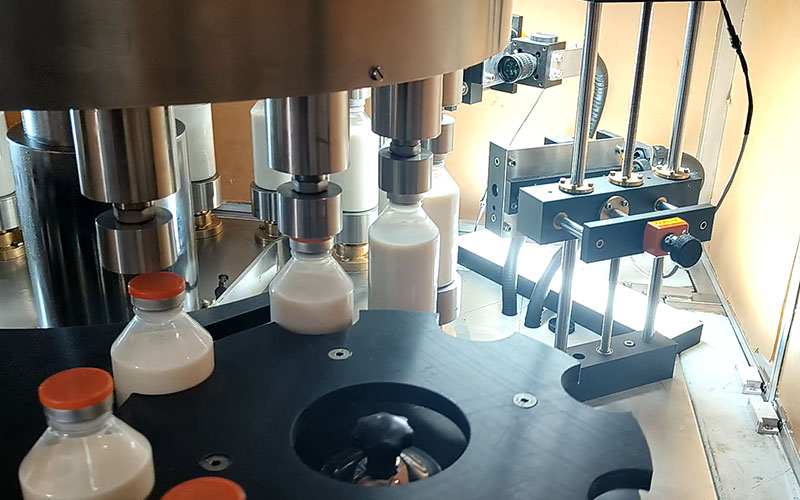
Statistical process control (SPC) has become an essential tool for food manufacturers aiming to improve quality, reduce waste, and ensure compliance with safety standards. By applying statistical methods to monitor and control production processes, food companies can detect variations early, minimize defects, and maintain consistent product quality. This guide explores the practical steps, benefits, and best practices for implementing SPC in a food manufacturing environment.
Adopting SPC not only supports regulatory compliance but also drives operational efficiency. As digitalization and automation continue to transform the industry, integrating SPC with technologies like role of edge computing in food processing lines and predictive maintenance can further enhance process reliability and product safety.
Understanding the Basics of Statistical Process Control
At its core, SPC is a method of using statistical techniques to monitor and control a process. In food manufacturing, this means collecting data from production lines—such as temperature, weight, moisture, or pH—and analyzing it to identify trends, shifts, or out-of-control conditions. The goal is to ensure that products consistently meet quality specifications and that any deviations are detected and corrected promptly.
The main tools used in SPC include control charts, histograms, and process capability analysis. Control charts, for example, plot process data over time and help operators distinguish between normal process variation and signals that indicate a potential problem.

Key Steps for Implementing SPC in Food Production
Introducing SPC into a food manufacturing facility involves several important steps. Each stage is crucial for ensuring that the system delivers meaningful insights and supports continuous improvement.
- Identify Critical Control Points: Start by mapping out the production process and identifying points where quality or safety could be compromised. These are often referred to as critical control points (CCPs) and may include mixing, cooking, cooling, or packaging stages.
- Determine Key Quality Attributes: Decide which product or process characteristics to monitor. These could include weight, fill volume, temperature, acidity, or microbial counts, depending on the product and regulatory requirements.
- Collect and Record Data: Set up systems for collecting data at regular intervals. This can be done manually or automatically using sensors and digital data loggers. Consistent data collection is vital for accurate analysis.
- Choose and Apply Statistical Tools: Use control charts and other statistical methods to analyze the data. For example, X-bar and R charts are commonly used for monitoring variables like weight or temperature, while p-charts are suitable for tracking the proportion of defective items.
- Interpret Results and Take Action: Train staff to recognize signals of process variation or out-of-control conditions. When a process goes outside control limits, investigate the root cause and implement corrective actions promptly.
- Review and Improve: Regularly review SPC data and outcomes to identify opportunities for process optimization and waste reduction.
Benefits of Applying Statistical Process Control in Food Manufacturing
The adoption of SPC delivers a range of advantages for food producers. Some of the most significant benefits include:
- Enhanced Product Quality: By detecting and correcting process variations early, manufacturers can consistently deliver products that meet customer expectations and regulatory standards.
- Reduced Waste and Costs: Early detection of deviations minimizes the production of off-spec products, reducing rework, scrap, and associated costs.
- Improved Compliance: SPC supports compliance with food safety regulations such as HACCP, FSMA, and GFSI schemes by providing documented evidence of process control.
- Data-Driven Decision Making: Real-time data analysis empowers operators and managers to make informed decisions, driving continuous improvement.
- Increased Process Efficiency: Monitoring key variables helps optimize equipment performance and reduce downtime.
Integrating SPC with advanced technologies, such as how to scale predictive maintenance programs, can further enhance operational efficiency and reliability.
Common Challenges and Solutions in SPC Adoption
While the advantages of SPC are clear, food manufacturers may encounter several challenges when implementing these methods. Understanding these obstacles and how to overcome them is key to a successful rollout.
- Resistance to Change: Employees may be hesitant to adopt new systems. Providing thorough training and demonstrating the value of SPC can help build buy-in.
- Data Quality Issues: Inaccurate or inconsistent data undermines the effectiveness of SPC. Automating data collection and calibrating instruments regularly can address this problem.
- Complexity of Analysis: Statistical tools may seem daunting to operators without a technical background. Simplifying charts and providing user-friendly software can make SPC more accessible.
- Integration with Existing Systems: Aligning SPC with current quality management and production systems requires careful planning. Many modern solutions offer integration capabilities to streamline this process.
Best Practices for Effective Statistical Process Control
To maximize the impact of SPC in food manufacturing, consider the following best practices:
- Engage Cross-Functional Teams: Involve quality, production, and maintenance staff in designing and implementing SPC systems to ensure relevance and buy-in.
- Focus on Prevention: Use SPC data to prevent problems before they occur, rather than simply reacting to defects.
- Leverage Automation and Digital Tools: Automate data collection and analysis where possible to improve accuracy and speed.
- Regularly Review Performance: Schedule routine reviews of SPC charts and process data to identify trends and areas for improvement.
- Integrate with Predictive Maintenance: Combining SPC with predictive maintenance strategies—such as those described in predictive maintenance in food production—can help prevent equipment failures and maintain process stability.
SPC and Digital Transformation in Food Manufacturing
The rise of Industry 4.0 technologies is reshaping how food manufacturers approach quality and process control. By integrating SPC with digital platforms, sensors, and machine learning, companies can achieve real-time monitoring, faster response times, and deeper insights into process performance.
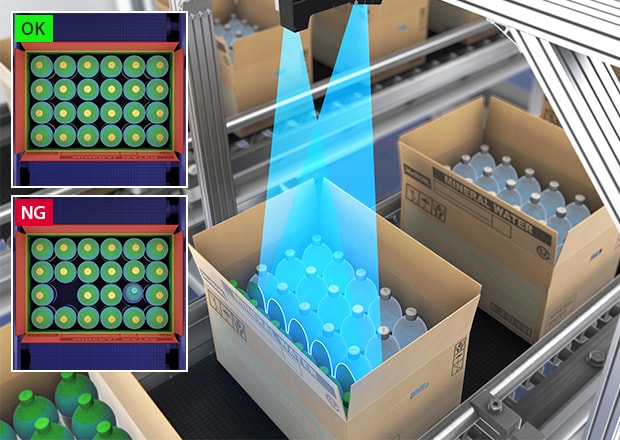
For example, using computer vision and neural networks, as explored in understanding neural networks for food sorting, enables automated inspection and classification of products, further enhancing quality assurance. Similarly, edge computing allows SPC data to be processed closer to the production line, reducing latency and enabling immediate corrective actions.
Frequently Asked Questions
What types of data are most important for SPC in food production?
The most critical data points typically include variables that directly impact product quality and safety, such as temperature, weight, pH, moisture content, and microbial counts. The specific data to monitor will depend on the product and regulatory requirements.
How often should data be collected for effective process control?
Data collection frequency depends on the process and the criticality of the control point. For high-risk steps, real-time or continuous monitoring is ideal. For less critical points, sampling at regular intervals may suffice. Automated systems can help ensure consistent and accurate data collection.
Can SPC be integrated with other quality management systems?
Yes, SPC can be combined with other quality management and food safety systems, such as HACCP and ISO 22000. Integration with digital platforms and predictive analytics tools can further enhance process control and efficiency.
Conclusion
Applying statistical process control in food manufacturing is a proven strategy for improving quality, reducing waste, and ensuring regulatory compliance. By following best practices, leveraging digital tools, and fostering a culture of continuous improvement, food producers can achieve more consistent outcomes and remain competitive in a rapidly evolving industry.
For further insights on digital transformation and process optimization in food production, explore related topics such as impact of industrial internet of things on food safety and integrating SCADA with predictive software.