
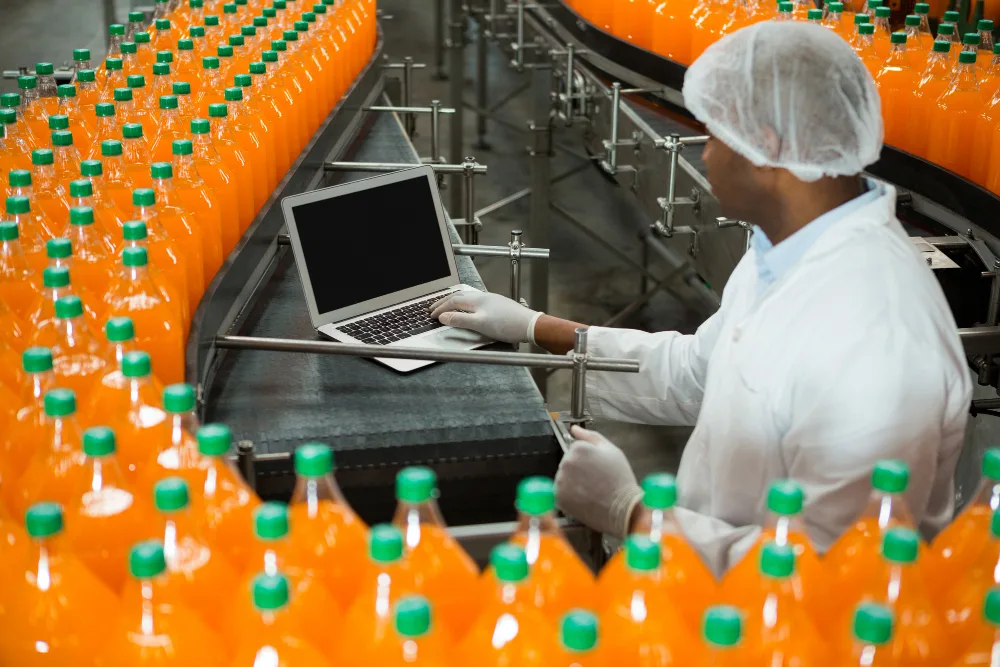
Maintaining optimal performance in food processing facilities depends on the reliability of filtration systems. One of the most critical aspects of ensuring these systems work efficiently is tracking pressure changes across filters. Understanding how to monitor pressure drops in filtration units helps prevent contamination, maintain product quality, and reduce costly downtime. This article explores practical methods, tools, and best practices for monitoring pressure variations in food filtration equipment, with a focus on real-world application and compliance with industry standards.
For those interested in broader process monitoring, you may also want to explore how to use ultrasonic sensors for level detection in food and beverage manufacturing. Integrating multiple sensor types can further enhance plant efficiency and safety.
Why Pressure Drop Monitoring Matters in Food Processing
Filtration units are essential for removing particulates, microorganisms, and unwanted substances from ingredients and finished products. Over time, filters accumulate debris, leading to increased resistance to flow—measured as a pressure drop. If left unchecked, excessive pressure drops can cause:
- Reduced flow rates and process inefficiencies
- Compromised product quality or safety
- Unexpected shutdowns or equipment damage
- Higher energy consumption and operational costs
By closely observing pressure changes, operators can schedule timely filter maintenance, avoid contamination risks, and comply with food safety regulations.

Key Methods for Tracking Pressure Changes
There are several effective ways to measure and monitor pressure drops in filtration systems. The choice depends on the complexity of the process, required accuracy, and available resources.
Manual Gauges and Differential Pressure Indicators
Traditional analog gauges remain common in many food plants. These devices are installed upstream and downstream of the filter. Operators manually record readings and calculate the difference to determine the pressure drop. While cost-effective, this method requires regular human intervention and may not provide real-time alerts.
Digital Sensors and Automated Monitoring
Modern facilities increasingly use digital differential pressure sensors. These devices continuously monitor pressure on both sides of the filter and transmit data to a central control system. Benefits include:
- Real-time data collection and trend analysis
- Automated alarms for abnormal pressure increases
- Integration with plant-wide monitoring platforms
- Minimized risk of human error
Automated systems are especially valuable in large-scale operations or where strict regulatory compliance is required.
Remote and Predictive Monitoring Solutions
Some advanced setups employ remote monitoring and predictive analytics. By analyzing historical pressure data, these systems can forecast when a filter is likely to clog and recommend maintenance before a problem arises. This approach supports proactive maintenance and reduces unplanned downtime.
For a deeper dive into predictive maintenance strategies in the food sector, see this comprehensive guide to predictive maintenance in the food industry.
Best Practices for Monitoring Pressure Drops in Filtration Units
Implementing a robust monitoring program involves more than just installing sensors. Consider the following best practices to ensure accurate and actionable results:
- Regular Calibration: Ensure all gauges and sensors are calibrated according to manufacturer recommendations to maintain accuracy.
- Baseline Establishment: Record initial pressure drop values after installing new filters to set a reference point for future monitoring.
- Routine Data Logging: Maintain consistent records, whether manually or automatically, to identify trends and deviations.
- Alarm Configuration: Set appropriate alarm thresholds to alert operators before pressure drops reach critical levels.
- Staff Training: Train personnel on interpreting pressure data and responding to alarms or abnormal readings.
- Integration with Maintenance Schedules: Use pressure data to inform filter change intervals and avoid unnecessary replacements.

Common Challenges and Troubleshooting Tips
Even with robust monitoring, food processors may encounter challenges when tracking pressure drops. Here are some common issues and solutions:
- Sensor Drift: Over time, sensors may become less accurate. Schedule periodic recalibration and replace faulty units promptly.
- Clogged or Fouled Sensors: In high-particulate environments, sensors themselves can become blocked. Use protective housings and clean regularly.
- False Alarms: Sudden spikes in pressure readings may be caused by pump surges or valve operations. Cross-check with process events before taking action.
- Data Overload: Automated systems can generate large volumes of data. Use dashboards and analytics tools to focus on actionable insights.
Integrating Pressure Monitoring with Broader Food Safety Initiatives
Pressure drop tracking is just one aspect of a comprehensive food safety and quality program. When combined with other technologies—such as automated weight checking systems or infrared sensors for sugar content analysis—plants can achieve higher levels of control and compliance. Data from filtration monitoring can also be integrated into digital recordkeeping systems for audit readiness and traceability.
Frequently Asked Questions
What is considered a normal pressure drop in food filtration systems?
Normal pressure drop values vary by filter type and process requirements. Typically, manufacturers provide recommended ranges. A significant increase above baseline often indicates filter clogging or fouling and signals the need for maintenance.
How often should pressure sensors be calibrated?
Calibration frequency depends on sensor type, manufacturer guidelines, and process criticality. In most food plants, calibration is performed quarterly or semi-annually. High-risk processes may require more frequent checks.
Can pressure drop monitoring help reduce operating costs?
Yes. By tracking pressure changes, operators can replace filters only when necessary, avoid unnecessary downtime, and optimize energy use. This targeted approach reduces waste and improves overall process efficiency.
Conclusion
Effectively tracking pressure drops in food filtration equipment is essential for maintaining product quality, ensuring safety, and optimizing operational efficiency. By combining manual checks, digital sensors, and predictive analytics, food processors can proactively address filter maintenance and avoid costly disruptions. For those seeking to further enhance their monitoring capabilities, exploring predictive tools for gluten-free production purity can provide additional insights into advanced quality assurance strategies.
Adopting best practices in pressure monitoring not only supports regulatory compliance but also strengthens the foundation for a safer, more efficient food manufacturing environment.