

Food manufacturers face constant pressure to deliver products that meet strict quality and regulatory standards. One area where technology has made a significant impact is in automated weight checking systems. These solutions are now essential for ensuring product consistency, reducing waste, and maintaining compliance in food processing and packaging environments. This article explores the main advantages of integrating automated weight monitoring into food production lines and how it supports operational excellence.
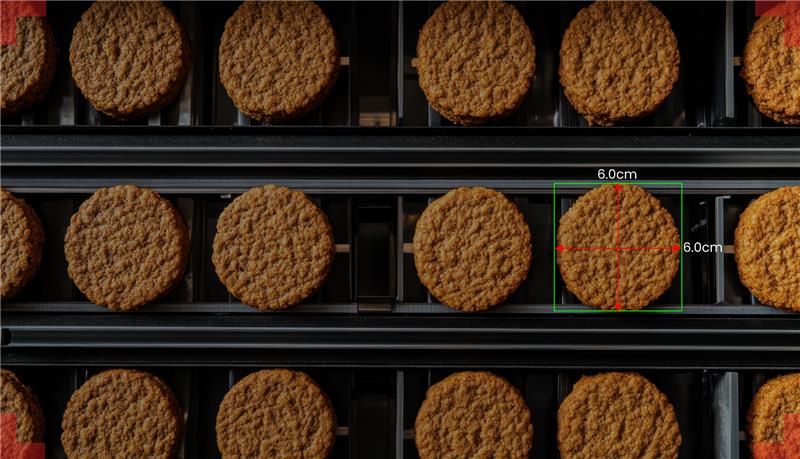
Before diving into the specific advantages, it’s helpful to understand how these systems fit within the broader context of food manufacturing. Automated weight checkers use advanced sensors and software to measure product weight in real time, flagging any deviations from preset tolerances. This not only helps maintain product quality but also supports data-driven decision-making across the plant.
For those interested in broader process optimization, you may also want to learn how to monitor compressor efficiency in food plants, as energy management and process control are closely linked in modern facilities.
Improving Product Consistency and Quality
One of the most important benefits of automated weight checking systems is the ability to maintain consistent product quality. In food production, even minor deviations in weight can lead to customer complaints, regulatory issues, and wasted resources. Automated systems ensure that every item leaving the production line meets the specified weight criteria, reducing the risk of underfilled or overfilled packages.
Consistent weight also directly influences brand reputation. When consumers receive products that match their expectations, trust in the brand grows. Automated solutions eliminate the variability associated with manual checks, providing a reliable and repeatable process that supports quality assurance initiatives.
Enhancing Efficiency and Reducing Waste
Manual weight checking is not only labor-intensive but also prone to human error. By automating this process, food manufacturers can significantly increase throughput and reduce the likelihood of mistakes. Automated weight checkers operate at high speeds, inspecting hundreds or even thousands of items per hour without fatigue or inconsistency.
Another key advantage is the reduction of product giveaway. Overfilling packages to avoid underweight penalties can lead to substantial financial losses over time. Automated systems allow for tighter control of fill weights, minimizing excess product and supporting more sustainable manufacturing practices.
For companies focused on optimizing other aspects of production, exploring how to use digital flow meters for ingredient accuracy can further enhance efficiency and resource management.
Supporting Regulatory Compliance and Traceability
Food safety regulations require manufacturers to ensure that packaged goods meet declared weights. Automated weight checking systems provide detailed records of every product batch, supporting compliance with local and international standards. This data is invaluable during audits or in the event of a recall, as it enables traceability and transparency throughout the supply chain.
Many systems can be integrated with factory management software, allowing for seamless data collection and reporting. This not only simplifies compliance but also provides insights for continuous improvement initiatives.
Reducing Labor Costs and Improving Workplace Safety
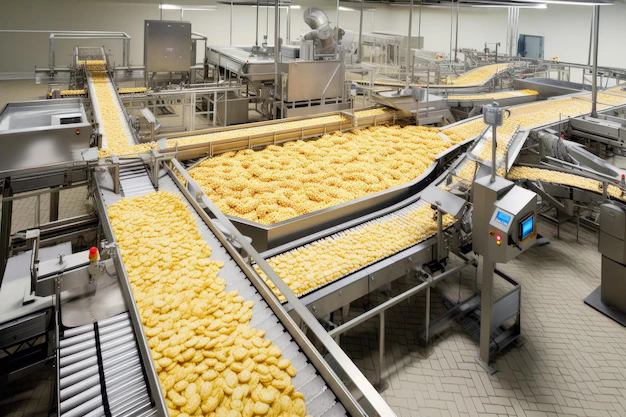
By automating weight inspection, companies can reallocate labor to more value-added tasks. This not only reduces direct labor costs but also helps address workforce shortages that are common in the food industry. Automated solutions also minimize the need for repetitive manual handling, reducing the risk of workplace injuries and improving overall safety.
In addition, automated systems can operate in challenging environments—such as cold storage or high-humidity areas—where manual checks would be difficult or uncomfortable for staff.
Enabling Real-Time Monitoring and Predictive Maintenance
Modern weight checking solutions often include real-time monitoring features, allowing operators to detect and address issues as soon as they arise. By providing immediate feedback, these systems help prevent the production of off-spec products and reduce downtime.
Some advanced systems also support predictive maintenance by monitoring equipment health and performance trends. This proactive approach helps minimize unexpected breakdowns and extends the lifespan of critical machinery. For those interested in implementing similar strategies, this guide to starting a predictive maintenance program in food production offers practical steps and insights.
Integrating with Other Smart Factory Technologies
Automated weight checking is just one component of a broader digital transformation in food manufacturing. These systems can be integrated with other smart technologies, such as ingredient dosing, packaging automation, and quality control sensors. This interconnected approach supports end-to-end process optimization and enables manufacturers to respond quickly to changing market demands.
For example, combining weight checking with simulation software can help optimize factory layouts and workflows. More information on this topic is available in the article on the role of simulation software in food factory design.
Key Considerations When Choosing a Weight Checking Solution
Selecting the right automated weight checking system involves evaluating several factors:
- Speed and Throughput: Ensure the system matches your production line’s pace.
- Accuracy: Look for high-precision sensors and reliable calibration features.
- Integration: Consider how easily the system connects with existing equipment and software.
- Data Management: Opt for solutions that offer robust data collection and reporting capabilities.
- Maintenance: Assess the availability of support services and ease of maintenance.
Careful planning and consultation with equipment providers can help ensure a smooth implementation and long-term value from your investment.
Frequently Asked Questions
How do automated weight checking systems improve food safety?
These systems help ensure that every product meets regulatory and label requirements for net weight, reducing the risk of non-compliance and supporting food safety initiatives. Automated checks also minimize human error, which can lead to inconsistencies or contamination.
Can automated weight checkers be used for all types of food products?
Most modern systems are highly adaptable and can handle a wide range of products, including packaged goods, bulk items, and even irregularly shaped foods. It’s important to select a solution that matches your specific product characteristics and production environment.
What is the return on investment for automated weight checking?
The ROI depends on factors such as production volume, labor costs, and the value of reduced product giveaway. Many companies see significant savings through improved efficiency, lower waste, and fewer compliance issues, often recouping their investment within a few years.
Conclusion
Adopting automated weight checking systems offers clear advantages for food manufacturers seeking to enhance quality, efficiency, and compliance. By leveraging these technologies, companies can reduce costs, improve product consistency, and stay ahead of regulatory requirements. As part of a broader digital strategy, automated weight monitoring supports a more resilient, agile, and competitive food production operation.