

The manufacturing sector is undergoing rapid transformation as digital technologies and automation become central to modern production. Understanding how automated workflows are reshaping factories is essential for businesses aiming to stay competitive, improve efficiency, and reduce operational costs. This guide offers a comprehensive look at the principles, technologies, and benefits of automating factory workflows, providing clarity for decision-makers and engineers alike.
As factories evolve, the integration of robotics, artificial intelligence, and data-driven systems is no longer a futuristic concept but a practical necessity. By streamlining repetitive tasks and optimizing resource allocation, automated workflows enable manufacturers to boost productivity and maintain consistent quality. For those interested in related advancements in industrial imaging, exploring resources like motion blur composition examples can provide further insights into the intersection of automation and visual analysis.
What Is Workflow Automation in Manufacturing?
In the context of manufacturing, workflow automation refers to the use of digital tools, robotics, and intelligent systems to manage and execute production processes with minimal human intervention. This approach involves automating repetitive tasks, coordinating machine operations, and integrating data flows across different departments. The goal is to create a seamless, efficient, and error-resistant production environment.
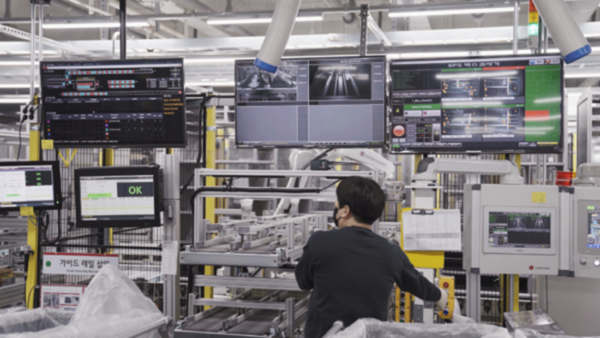
Key elements of automated workflows include programmable logic controllers (PLCs), industrial robots, machine vision systems, and centralized software platforms. These components work together to monitor, control, and optimize every stage of the manufacturing process—from raw material handling to final product inspection.
Core Technologies Driving Automated Factory Workflows
Several technological advancements have made it possible for manufacturers to automate complex workflows. Below are some of the most influential technologies shaping modern production lines:
- Industrial Robotics: Robots are used for assembly, welding, painting, packaging, and material handling. They deliver high precision and can operate continuously, reducing labor costs and increasing throughput.
- Machine Vision: Cameras and image processing software inspect products for defects, guide robotic arms, and ensure quality control. For those interested in the visual side of automation, the motion blur cinematic photography guide offers a look at advanced imaging techniques.
- Industrial Internet of Things (IIoT): Sensors and connected devices collect real-time data from machines and production lines, enabling predictive maintenance and process optimization.
- Manufacturing Execution Systems (MES): These platforms coordinate production schedules, track inventory, and provide analytics to support decision-making.
- Artificial Intelligence and Machine Learning: AI-driven algorithms analyze data to optimize workflows, predict equipment failures, and adapt processes dynamically.
Benefits of Implementing Automated Workflows
Embracing automation in factory workflows brings a range of tangible benefits:
- Increased Efficiency: Automated systems can operate 24/7, eliminating downtime and maximizing output.
- Improved Quality: Consistent processes reduce human error, leading to higher product quality and fewer defects.
- Cost Reduction: Lower labor costs, reduced waste, and optimized resource use contribute to significant savings.
- Enhanced Flexibility: Automated workflows can be reprogrammed quickly to accommodate new products or changes in demand.
- Better Data Utilization: Real-time monitoring and analytics enable proactive decision-making and continuous improvement.
How Automated Processes Are Designed and Deployed
The journey toward automated workflows begins with a thorough analysis of existing processes. Engineers identify repetitive, time-consuming, or error-prone tasks that can benefit from automation. Next, they select appropriate technologies—such as robotics, sensors, or custom software—and design integration points with existing systems.
Deployment typically involves several stages:
- Assessment: Evaluate current workflows and identify automation opportunities.
- Planning: Define objectives, select technologies, and outline implementation steps.
- Integration: Connect new automated systems with legacy equipment and software platforms.
- Testing: Run pilot programs to ensure reliability and fine-tune performance.
- Scaling: Expand successful automation solutions across the factory floor.
Throughout this process, collaboration between IT, engineering, and operations teams is essential to ensure smooth adoption and minimal disruption.
Challenges and Considerations in Workflow Automation
While the advantages of automation are clear, manufacturers must also navigate several challenges:
- Upfront Investment: The cost of new equipment, software, and training can be significant.
- Integration Complexity: Connecting modern automation tools with older machinery or disparate systems may require custom solutions.
- Workforce Adaptation: Employees may need to learn new skills or transition to different roles as manual tasks are automated.
- Cybersecurity: Increased connectivity introduces new risks, making robust security measures essential.
- Maintenance: Automated systems require regular upkeep and monitoring to maintain peak performance.
Addressing these challenges requires careful planning, ongoing training, and a willingness to adapt as technologies evolve.

Smart Factories and the Future of Automated Workflows
The next evolution in automated manufacturing is the emergence of smart factories. These facilities leverage advanced connectivity, real-time data analytics, and self-optimizing systems to create highly adaptive production environments. According to SAP’s overview of smart factories, such environments use automation not just for efficiency, but also for agility and innovation.
Smart factories integrate all aspects of production, from supply chain management to quality assurance, using a unified digital backbone. This enables predictive maintenance, rapid product customization, and seamless collaboration between humans and machines. As these technologies mature, manufacturers can expect even greater gains in productivity and competitiveness.
Best Practices for Successful Automation Projects
To maximize the return on investment from automation, manufacturers should consider the following best practices:
- Start Small: Begin with pilot projects to demonstrate value and refine approaches before scaling up.
- Involve Stakeholders: Engage employees, management, and IT teams early to ensure buy-in and smooth implementation.
- Focus on Data: Use analytics to monitor performance, identify bottlenecks, and drive continuous improvement.
- Plan for Flexibility: Choose technologies that can adapt to future changes in products or processes.
- Prioritize Security: Implement robust cybersecurity measures to protect connected systems and sensitive data.
By following these guidelines, organizations can reduce risk, accelerate adoption, and achieve sustainable improvements in their production workflows.
FAQ: Common Questions About Workflow Automation in Factories
What types of tasks are best suited for automation in manufacturing?
Tasks that are repetitive, labor-intensive, or prone to human error are ideal candidates for automation. Examples include assembly, material handling, packaging, and quality inspection. Automated systems excel at performing these activities with speed and consistency.
How does automation impact factory workers?
While automation can reduce the need for manual labor in certain roles, it also creates new opportunities for workers to focus on higher-value tasks such as system oversight, maintenance, and process optimization. Ongoing training and upskilling are important to help employees transition to these new responsibilities.
Is it possible to automate legacy manufacturing equipment?
Yes, many factories successfully integrate automation with existing machinery by using retrofitting solutions, sensors, and software interfaces. However, the complexity and cost of integration will vary depending on the age and condition of the equipment.
Where can I learn more about visual inspection and imaging in automated workflows?
For those interested in the role of imaging and motion analysis in factory automation, resources like the motion blur settings for beginners guide offer practical insights into capturing and analyzing movement in industrial environments.
Conclusion
The shift toward automated workflows is reshaping the manufacturing landscape, enabling factories to achieve new levels of efficiency, quality, and adaptability. By leveraging robotics, AI, and connected systems, manufacturers can streamline operations and position themselves for long-term success. As technology continues to evolve, staying informed and adopting best practices will be key to unlocking the full potential of automation in production environments.