
Exploring abstract motion blur photography opens up a world of creative possibilities for photographers who want to move beyond traditional sharp images. By intentionally introducing blur, you can convey energy, emotion, and a sense of movement that transforms ordinary scenes into striking visual art. Whether you’re working with urban lights, flowing water, or bustling crowds, mastering these techniques can help you create images that captivate and intrigue viewers.
This guide covers essential methods, camera settings, and practical tips to help you get started with expressive motion blur images. If you’re interested in seeing how different compositions can inspire your own work, check out these motion blur composition examples for additional ideas and creative direction.
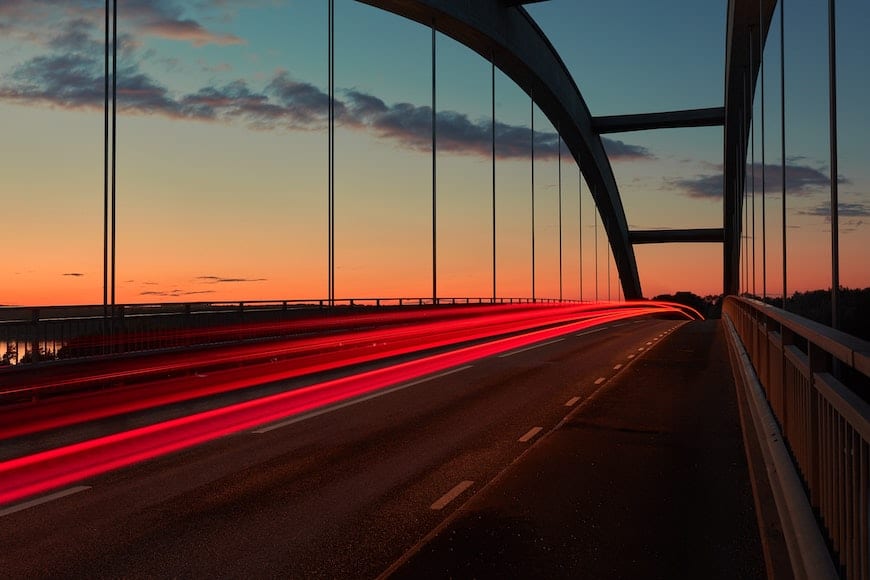
Understanding the Art of Motion Blur in Abstract Photography
At its core, motion blur in abstract photography is about embracing movement as a creative tool. Instead of freezing a moment, you allow motion to paint across your frame, resulting in images that are less about literal representation and more about mood, rhythm, and form. This approach can be used to highlight the passage of time, evoke emotion, or simply create visually interesting patterns.
Abstract images created with intentional blur often rely on experimentation and a willingness to break conventional rules. The key is to find a balance between chaos and control, using your camera’s settings and your own movement to achieve the desired effect.
Essential Camera Settings for Creative Blur Effects
Achieving compelling results with abstract motion blur photography starts with understanding your camera’s controls. The most important setting is shutter speed, which determines how long your sensor is exposed to light and, consequently, how much movement is captured.
- Shutter Speed: For pronounced blur, use slower shutter speeds—typically between 1/10 and several seconds. The exact speed will depend on the speed of your subject and the amount of blur you want.
- Aperture: Adjust your aperture to control exposure. A smaller aperture (higher f-number) lets in less light, which is helpful for longer exposures in bright conditions.
- ISO: Keep ISO as low as possible to reduce noise, especially during long exposures.
- Stabilization: Use a tripod for stationary blur effects or handheld techniques for intentional camera movement.
Beginners can benefit from step-by-step advice found in the motion blur settings for beginners guide, which covers foundational settings and troubleshooting tips.
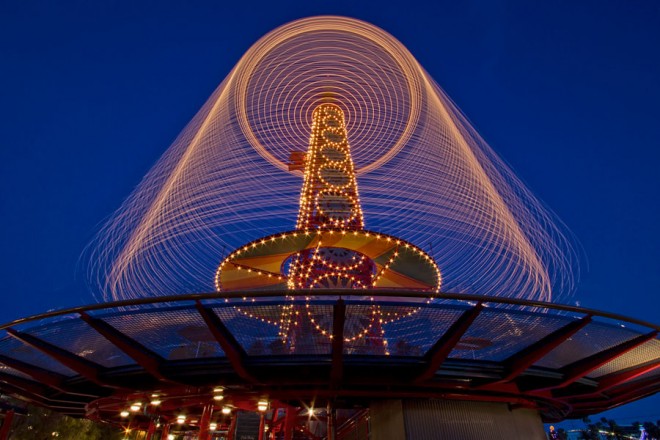
Popular Techniques for Abstract Motion Blur Photography
There are several creative approaches to producing abstract images with motion blur. Each technique offers unique results and can be adapted to suit your subject and artistic vision.
Intentional Camera Movement (ICM)
With ICM, you move the camera during a long exposure to create streaks, swirls, or waves of color and light. This method is especially effective with landscapes, city lights, or colorful scenes. Experiment with panning, tilting, or rotating the camera to see how different motions affect your results.
Subject Movement
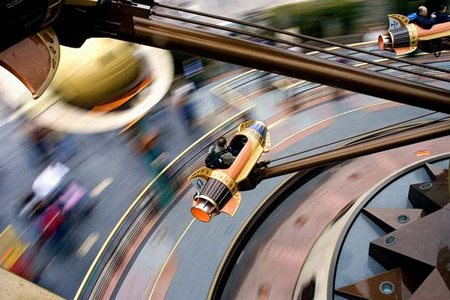
Instead of moving the camera, let your subject move during the exposure. This works well with dancers, cyclists, or passing vehicles. The background remains relatively sharp if the camera is stable, while the moving subject becomes a blur of motion.
Zoom Burst
The zoom burst technique involves zooming your lens in or out during a long exposure. This creates dynamic lines radiating from the center of the frame, adding a sense of speed and energy to your image.
Tips for Successful Abstract Motion Blur Shots
- Plan Your Composition: Even in abstract work, consider how shapes, colors, and lines will interact in the frame.
- Use Neutral Density (ND) Filters: ND filters reduce the amount of light entering the lens, allowing for longer exposures even in daylight.
- Experiment with Light: Try shooting at different times of day or in various lighting conditions to see how light affects your blur effects.
- Review and Adjust: Check your images after each shot and adjust your settings or technique as needed. Small changes in speed or movement can have a big impact.
- Embrace Imperfection: Not every shot will work, but unexpected results can often lead to new creative directions.
For more advanced creative ideas, the motion blur cinematic photography guide explores how to use these techniques for dramatic, film-inspired effects.
Post-Processing and Artistic Enhancement
Editing plays a significant role in refining your abstract motion blur images. Adjusting contrast, color balance, and sharpness can help emphasize the mood or highlight specific elements. Cropping may also improve composition by focusing attention on the most dynamic areas of your photo.
Some photographers use digital tools to enhance or even simulate blur effects, but starting with strong in-camera techniques usually yields the most natural and compelling results. Comparing your original files with the edited versions can help you understand how post-processing choices affect the final image. For reference, the motion blur before and after examples guide offers a look at how editing can transform your photos.
Inspiration and Further Learning
Looking at the work of other photographers can spark new ideas and help you refine your own style. Social media platforms, online galleries, and dedicated photography sites are excellent sources of inspiration. If you’re interested in sharing your work or learning how to present it online, these motion blur Instagram photography tips can help you connect with a wider audience.
For a deeper dive into the creative and technical aspects, the comprehensive guide to motion blur photography provides additional techniques, examples, and expert advice.
Frequently Asked Questions
What camera settings work best for creating artistic motion blur?
The most important setting is shutter speed. Start with a slower shutter speed, such as 1/10 to 1 second, and adjust based on your subject and desired effect. Use a low ISO to minimize noise and adjust your aperture to control exposure. A tripod can help stabilize your camera for certain techniques, while handheld shooting is ideal for intentional camera movement.
Do I need special equipment for abstract motion blur photography?
While a basic DSLR or mirrorless camera with manual controls is ideal, you can experiment with any camera that allows you to adjust shutter speed. Neutral density filters are helpful for shooting in bright light, and a tripod is useful for some techniques, but not strictly necessary for all styles.
How can I improve my results with abstract motion blur?
Practice is key. Experiment with different subjects, movements, and camera settings. Review your images, make adjustments, and don’t be afraid to try unconventional approaches. Studying the work of other photographers and learning from guides and tutorials can also help you develop your skills and find your unique style.