

Vibration problems in machinery can lead to costly downtime, reduced equipment lifespan, and even safety hazards if left unaddressed. Understanding how to troubleshoot vibration issues is essential for anyone responsible for maintaining industrial equipment, whether in manufacturing, processing, or facility management. This article explores the main causes of mechanical oscillations, how to recognize early warning signs, and the safe steps you can take to identify and address these problems—while emphasizing when to involve a professional.
Understanding the Impact of Vibration on Machinery
Unwanted vibration in machines is more than just a nuisance—it can signal underlying mechanical faults that, if ignored, may escalate into severe failures. Persistent oscillations can accelerate wear on components, loosen fasteners, and increase operating noise and heat. Over time, this degrades performance and can shorten the lifespan of critical assets. Regular monitoring and prompt attention to abnormal vibrations are key to maintaining safe and efficient operations.
Common Causes of Vibration Problems
Several mechanical and operational factors can lead to excessive vibration in machinery. According to industry sources, monitoring machines for vibration can help prevent downtime and reveal issues such as imbalance, misalignment, looseness, and bearing failures.
- Imbalance: When rotating parts like fans or rotors have uneven weight distribution, they generate centrifugal forces that cause the machine to shake. This is a frequent cause of vibration in motors and pumps.
- Misalignment: Shafts or couplings that are not properly aligned can create lateral or angular forces, leading to vibration and premature wear. Even small misalignments can have significant effects on performance.
- Bearing Failures: Worn or damaged bearings increase friction and can produce irregular vibration patterns. Bearing issues are often accompanied by increased noise and heat.
- Looseness: Components that are not securely fastened may move or rattle, amplifying vibration. This can be due to improper installation or gradual loosening over time.
- Resonance: When a machine’s natural frequency matches the frequency of an external force, resonance occurs, dramatically increasing vibration amplitude. This is especially risky in large or complex assemblies.
Each of these causes can have a cascading effect, making early detection and intervention crucial for preventing further damage.
Recognizing Early Signs of Vibration Issues
Spotting vibration problems early can save time and money. Some of the most common early indicators, as highlighted by industry professionals, include:
- Unusual Noise: Unexpected sounds such as rattling, humming, or grinding often signal that something is amiss.
- Excessive Wear and Tear: Premature deterioration of seals, couplings, or bearings may point to underlying vibration issues.
- Increased Heat: Overheating in motors or bearings can result from friction caused by vibration.
- Loose Fasteners: Bolts, screws, or other connectors that repeatedly loosen may be a symptom of ongoing oscillations.
Regular visual and auditory inspections can help catch these signs before they develop into major faults. For more specialized equipment, such as looms or compressors, reviewing resources like vibration analysis for textile machinery can provide additional context on machine-specific symptoms.
Solutions and Preventive Measures for Machinery Vibration
While some vibration issues can be resolved through routine maintenance, others require more targeted solutions. Common vibration test challenges include noise floor interference and accelerometer sensitivity issues. Addressing these often involves:
- Removing Ground Loops: Electrical interference can introduce false vibration signals. Ensuring proper grounding and isolation of sensors helps reduce this noise.
- Using High-Quality Components: Reliable accelerometers and mounting hardware improve measurement accuracy and reduce the risk of misdiagnosis.
- Balancing Rotating Parts: Professional balancing services or field balancing tools can correct imbalances in rotors, fans, and shafts.
- Realigning Shafts and Couplings: Precision alignment tools help ensure that all rotating elements are correctly positioned, minimizing lateral forces.
- Regular Lubrication and Maintenance: Keeping bearings and moving parts well-lubricated reduces friction and vibration.
It’s important to note that while these measures can address many common problems, attempting repairs on complex or high-risk machinery should be left to qualified professionals. Always follow manufacturer guidelines and safety protocols.
How to Troubleshoot Vibration Issues with Monitoring Tools
Effective troubleshooting starts with accurate data. Vibration monitoring tools, such as handheld meters and permanently installed sensors, are essential for diagnosing the root causes of oscillations. Here’s a safe, step-by-step approach to using these tools:
- Conduct a Visual Inspection: Before using any tool, power down the machine (if safe to do so) and check for obvious signs of damage, loose parts, or leaks. Never touch moving machinery.
- Review Historical Data: If your facility uses continuous monitoring systems, compare current readings to baseline values. Look for sudden spikes or trends that deviate from normal operation.
- Use a Handheld Vibration Meter: Place the sensor on key points such as bearings or housings. Follow the manufacturer’s instructions for safe use. Record the vibration amplitude and frequency.
- Interpret the Results: Compare readings against standard thresholds provided by the equipment manufacturer or industry guidelines. Abnormal values can indicate specific faults, such as imbalance (high amplitude at running speed) or bearing defects (high-frequency spikes).
- Document Findings: Keep detailed records of measurements, locations, and any observed symptoms. This information is valuable for maintenance planning and, if needed, for professional diagnostics.
When using monitoring tools, always wear appropriate personal protective equipment and avoid placing sensors near exposed moving parts. If you encounter readings that suggest severe faults or if you are unsure how to interpret the data, stop and consult a qualified technician.
When to Seek Professional Help
While basic monitoring and inspection can help catch many issues early, there are clear limits to what can be safely addressed without specialist training. If you notice persistent or severe vibration, repeated equipment failures, or if your troubleshooting points to complex faults like resonance or structural problems, it’s time to call in an expert. Professional services have access to advanced diagnostic equipment and can perform corrective actions—such as dynamic balancing or laser alignment—that go beyond routine maintenance.
Attempting repairs on high-risk machinery without proper expertise can lead to injury or further damage. Always prioritize safety and follow your organization’s protocols for escalation.
Frequently Asked Questions
What are the most common causes of vibration in machinery?
The most frequent causes include imbalance in rotating parts, misalignment of shafts or couplings, bearing failures, looseness of components, and resonance. Each of these can create unique vibration patterns and should be addressed promptly to prevent further damage.
How can vibration issues be detected early?
Early detection relies on regular monitoring and inspection. Look for unusual noises, excessive wear, increased heat, and loose fasteners. Using vibration meters or monitoring systems can help identify problems before they escalate.
What tools are used for vibration monitoring and analysis?
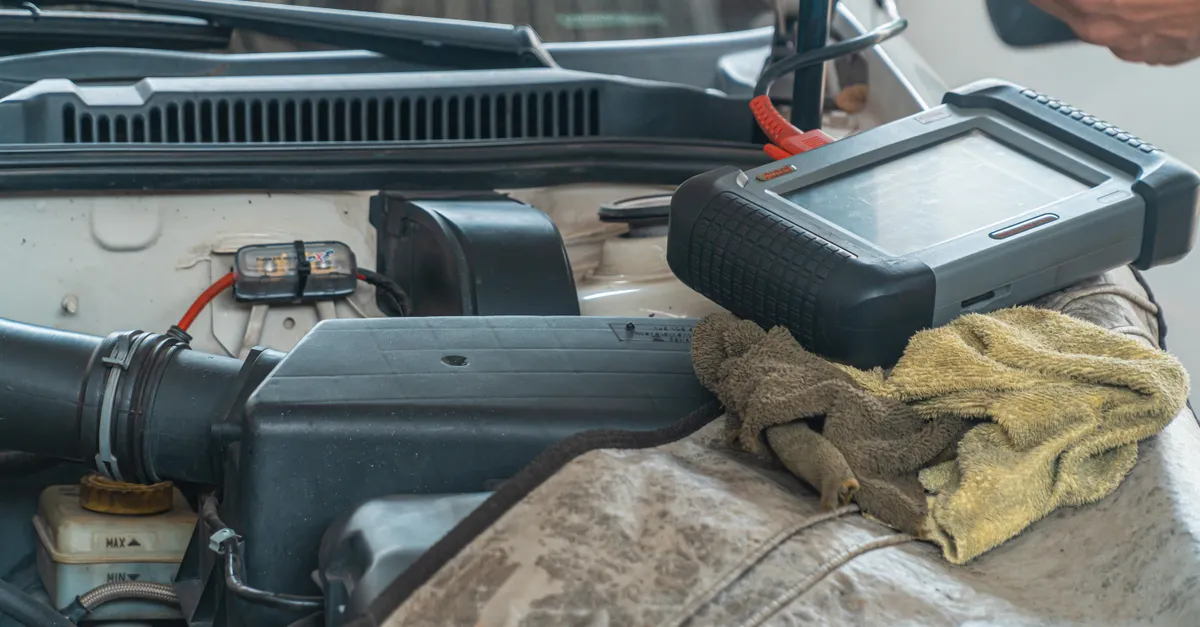
Common tools include handheld vibration meters, accelerometers, permanent vibration sensors, and software for data analysis. These tools measure amplitude and frequency, helping diagnose the source of mechanical oscillations. For more advanced needs, facilities may use portable data collectors or online monitoring systems.
Summary
Understanding how to troubleshoot vibration issues safely is critical for maintaining machinery health and workplace safety. Start with regular inspections, use appropriate monitoring tools, and recognize the limits of DIY troubleshooting. When in doubt, seek professional assistance to ensure both the longevity of your equipment and the safety of your team.