
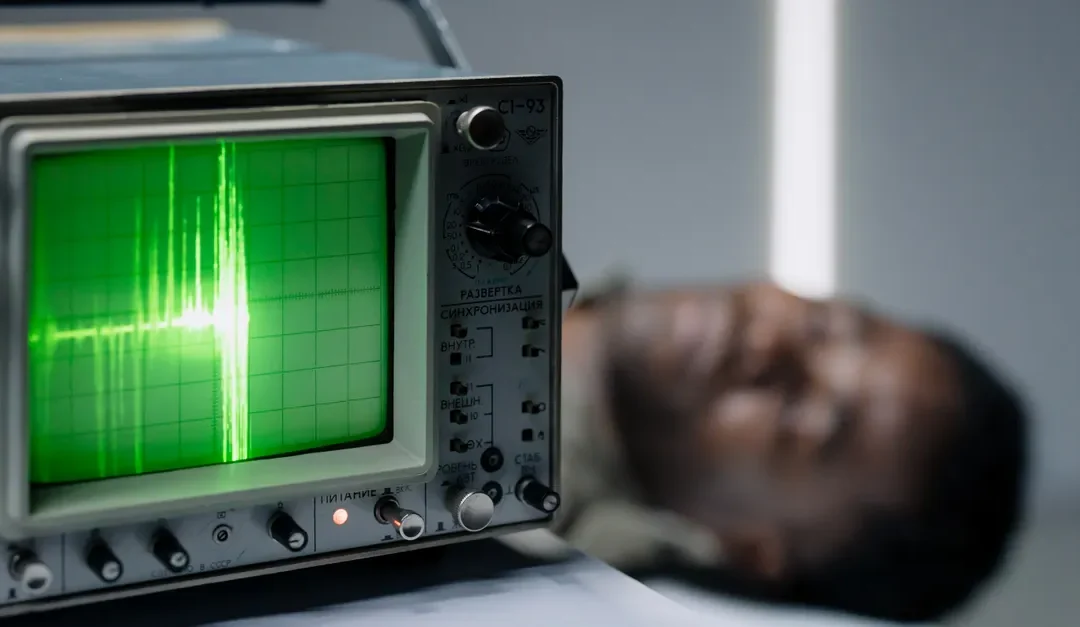
Vibration analysis has become a cornerstone of modern industrial maintenance, offering a proactive approach to identifying and resolving mechanical issues before they escalate into costly failures. By interpreting the patterns of vibration produced by machines, engineers can detect early warning signs of wear, misalignment, or other faults. This guide explores the methodologies, technologies, and real-world outcomes associated with vibration analysis, focusing on safe practices, risk awareness, and the importance of professional expertise in high-risk environments.
Understanding Vibration Analysis and Its Industrial Importance
Vibration analysis is the process of measuring and interpreting the oscillations of machinery components to assess their condition. It plays a vital role in industries such as manufacturing, power generation, pharmaceuticals, and paper production, where equipment reliability is critical. By monitoring vibration signatures, maintenance teams can detect anomalies that may indicate developing faults, allowing for timely intervention and minimizing unplanned downtime.
The significance of vibration analysis extends beyond just preventing breakdowns. It supports predictive maintenance strategies, helping organizations optimize maintenance schedules, reduce operational costs, and extend the lifespan of critical assets. However, it is essential to recognize the risks involved in inspecting and diagnosing heavy or high-speed machinery. Safe preliminary inspections should always be conducted with machinery powered down and guarded, and any advanced diagnostics or repairs should be left to qualified professionals.
Methodologies Used in Vibration Analysis Case Studies
A variety of methodologies are employed to extract meaningful insights from vibration data. Among the most widely used are Experimental Modal Analysis (EMA) and Operating Deflection Shape (ODS) analysis. EMA involves exciting a structure and measuring its response to determine its dynamic properties, while ODS focuses on visualizing how a machine or structure moves under normal operating conditions.
Advanced software platforms, such as MEscope, have become integral to the analysis process. According to professional case studies, MEscope enables engineers to visualize complex vibration patterns, making it easier to pinpoint the root causes of issues. For example, MEscope has been used to solve intricate engineering problems by providing clear visual representations of vibration modes, which can be critical when diagnosing subtle faults that might otherwise go undetected.
Different industries may tailor these methodologies to suit their specific equipment and operational requirements. In power plants, for instance, vibration analysis is often combined with other monitoring techniques to ensure the reliability of turbines and generators. In pharmaceutical manufacturing, strict regulatory standards necessitate precise and documented vibration assessments to maintain compliance and product quality.
Real-World Success Stories: Vibration Analysis in Action
Examining real-world applications provides valuable insight into the practical benefits of vibration analysis. One notable example involves a turbine-driven feed water pump in a large industrial facility. Through routine vibration monitoring, engineers detected abnormal vibration patterns that suggested a misalignment issue. Further analysis confirmed that the turbine and pump shafts were not properly aligned, a problem that, if left unaddressed, could have led to catastrophic failure and significant downtime.
By identifying the issue early, the maintenance team was able to schedule a controlled shutdown and realign the equipment, preventing a costly breakdown. This outcome highlights the value of vibration analysis not only in detecting faults but also in supporting informed decision-making and risk management.
For readers interested in a broader range of industry examples, additional vibration analysis success stories demonstrate how this approach has solved persistent problems across sectors such as manufacturing, energy, and processing. These cases underscore the adaptability of vibration analysis methodologies and the tangible results they deliver.
Technologies and Tools Driving Modern Vibration Analysis
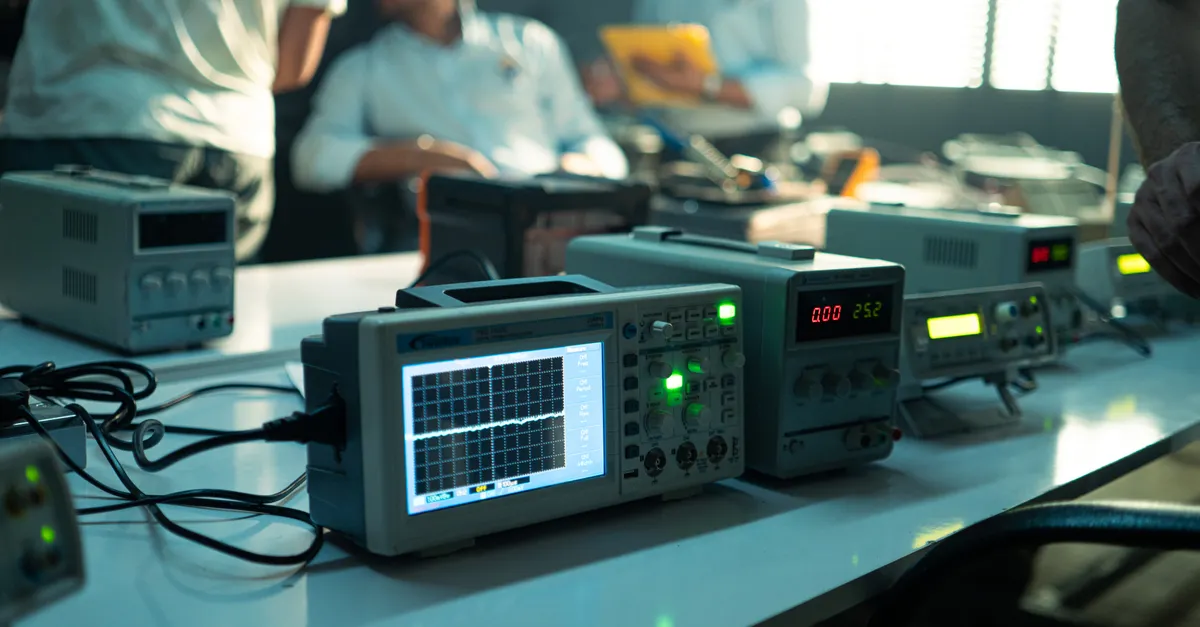
The effectiveness of vibration analysis depends heavily on the technologies and tools employed. Vibration monitoring systems are at the core of most programs, utilizing sensors (such as accelerometers) to capture real-time data from machinery. These sensors are often connected to portable data collectors or integrated into permanent monitoring networks, enabling continuous assessment of equipment health.
Software platforms play a crucial role in processing and interpreting the collected data. Modern analysis tools can perform complex signal processing, trend analysis, and even machine learning-based diagnostics. Visualization features, such as those found in MEscope, help engineers understand the movement and behavior of machinery components, facilitating more accurate diagnoses.
While some basic vibration checks can be performed with handheld devices, it is essential to recognize the limitations and risks of DIY approaches. Interpreting vibration data requires specialized knowledge, and working around moving machinery can be hazardous. For any in-depth analysis or corrective action, consulting with experienced professionals is strongly recommended to ensure safety and accuracy.
Common Challenges and Practical Solutions in Vibration Analysis
Despite its proven benefits, vibration analysis is not without challenges. One frequent issue is distinguishing between benign and problematic vibration patterns, as not all anomalies indicate a fault. Environmental factors, such as nearby equipment or structural resonance, can sometimes produce misleading signals.
Another challenge lies in the proper placement and calibration of sensors. Incorrect sensor positioning can result in incomplete or inaccurate data, potentially leading to misdiagnosis. Additionally, interpreting complex vibration signatures often requires advanced training and experience.
To address these challenges, organizations invest in ongoing training for maintenance staff and leverage advanced analysis software to assist with data interpretation. Establishing clear protocols for safe inspection—such as ensuring all machinery is properly locked out before placing sensors—helps minimize physical risks. When in doubt, or when dealing with critical assets, seeking the expertise of a certified vibration analyst is the safest and most effective course of action.
How Vibration Analysis Enhances Operational Efficiency
The primary advantage of integrating vibration analysis into maintenance programs is the ability to move from reactive to proactive maintenance. By identifying potential issues early, organizations can plan repairs during scheduled downtime, reducing the risk of unexpected failures and production losses.
In addition to preventing breakdowns, vibration analysis supports asset optimization. Machines that operate within their designed vibration limits tend to have longer service lives, lower energy consumption, and reduced maintenance costs. This approach also contributes to safer workplaces by minimizing the likelihood of sudden mechanical failures that could endanger personnel.
For those seeking further insights into industry-specific applications, resources on predictive maintenance case studies offer a broader perspective on how vibration analysis fits within comprehensive maintenance strategies.
Conclusion: The Value of Vibration Analysis in Industrial Maintenance
Vibration analysis has proven itself as a powerful tool for maintaining the health and reliability of industrial equipment. By leveraging advanced methodologies, technologies, and professional expertise, organizations can detect and resolve issues before they escalate, ensuring operational continuity and safety. While the benefits are clear, it is crucial to approach vibration analysis with an understanding of the associated risks and the importance of safe, professional inspection practices. Ultimately, the success stories from various industries demonstrate that a well-implemented vibration analysis program is an investment in both productivity and peace of mind.
Frequently Asked Questions
What are the main methodologies used in vibration analysis?
The most common methodologies include Experimental Modal Analysis (EMA), which identifies the dynamic properties of structures, and Operating Deflection Shape (ODS) analysis, which visualizes how equipment moves during operation. These methods help engineers diagnose and address mechanical issues effectively.
Can vibration analysis prevent equipment failure?
Yes, when implemented correctly, vibration analysis can detect early signs of wear, misalignment, or other faults, allowing maintenance teams to intervene before a failure occurs. This proactive approach is a key component of predictive maintenance strategies.
Is it safe to perform vibration analysis without professional help?
Basic visual inspections and preliminary checks can be performed safely if machinery is powered down and proper lockout procedures are followed. However, in-depth vibration analysis and corrective actions should always be carried out by trained professionals to avoid physical risks and ensure accurate results.