
Factory remote monitoring explained is a topic gaining rapid attention as manufacturers seek to improve efficiency, reduce downtime, and stay competitive in an increasingly digital world. This guide breaks down what remote monitoring means for industrial environments, how it works, and why it matters for modern factories. Whether you’re a plant manager, engineer, or business owner, understanding these systems can help you make informed decisions about upgrading your operations.
Remote monitoring in factories uses connected sensors, software, and networks to track equipment, processes, and environmental conditions from anywhere. This approach enables real-time visibility, proactive maintenance, and data-driven decision-making. As you explore the benefits and practicalities of these solutions, you’ll see how they fit into the broader movement toward smart manufacturing.
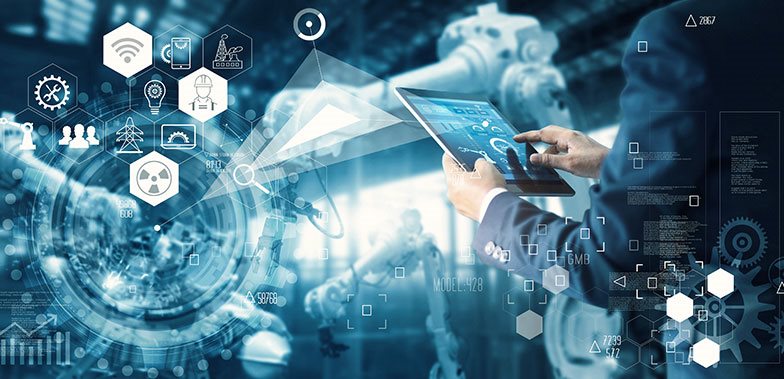
For those interested in related industrial imaging and analysis, you might also find value in exploring motion blur composition examples for inspiration in visualizing production processes.
What Is Remote Monitoring in Manufacturing?
Remote monitoring in a factory setting refers to the use of digital technologies to observe, collect, and analyze data from machines and systems without being physically present on-site. These solutions typically involve a combination of IoT (Internet of Things) sensors, cloud-based platforms, and secure networks. The goal is to provide continuous oversight of operations, equipment health, energy usage, and environmental factors.
Key features include:
- Real-time data collection from machinery, production lines, and facility infrastructure.
- Automated alerts for anomalies, failures, or deviations from set parameters.
- Historical data analysis for predictive maintenance and process optimization.
- Remote access via dashboards, mobile apps, or web portals.
By leveraging these capabilities, manufacturers can detect problems early, reduce unplanned downtime, and optimize resource allocation.
How Factory Remote Monitoring Systems Work
To understand factory remote monitoring explained in practical terms, it’s helpful to look at the typical components and workflow:
- Sensors and Devices: These are installed on machines, conveyors, HVAC systems, and other assets. They measure variables such as temperature, vibration, pressure, speed, and energy consumption.
- Connectivity: Data from sensors is transmitted via wired or wireless networks (Ethernet, Wi-Fi, cellular, or LPWAN) to a central data hub or cloud platform.
- Data Processing: Software platforms aggregate, process, and analyze incoming data. Advanced solutions may use AI or machine learning to identify trends and predict failures.
- User Interface: Operators and managers access information through dashboards, which visualize key metrics, trends, and alerts. These interfaces can be customized for different roles and locations.
- Automated Actions: Some systems can trigger automated responses, such as shutting down equipment, sending maintenance requests, or adjusting process parameters.
This architecture allows for continuous oversight and fast response to issues, even when staff are off-site or managing multiple facilities.
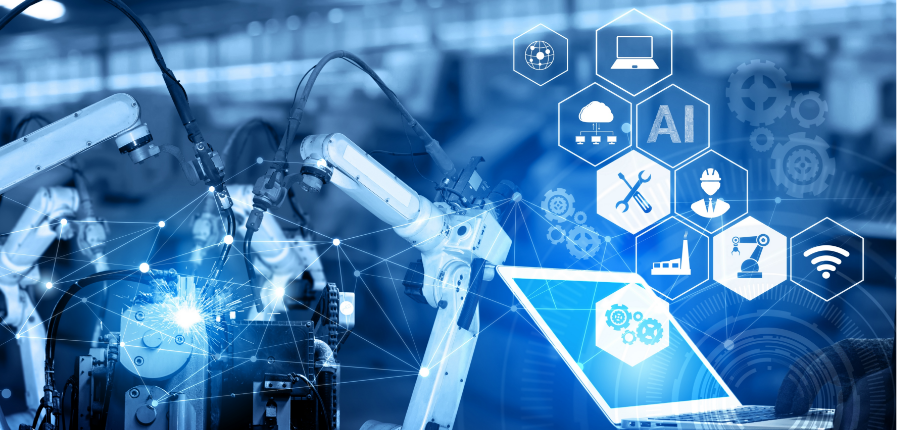
Key Benefits of Remote Monitoring for Factories
Adopting remote monitoring brings several advantages to manufacturing operations:
- Reduced Downtime: Early detection of equipment issues allows for timely maintenance, minimizing costly production interruptions.
- Improved Efficiency: Real-time insights help identify bottlenecks, optimize workflows, and reduce waste.
- Cost Savings: Predictive maintenance and energy monitoring can lower repair costs and utility bills.
- Enhanced Safety: Monitoring environmental conditions and equipment health reduces the risk of accidents and ensures compliance with safety standards.
- Scalability: Centralized dashboards make it easier to manage multiple sites or expand operations without proportional increases in staffing.
These benefits are driving the adoption of smart factory technologies worldwide. For a deeper dive into the broader concept of smart manufacturing, see this comprehensive overview of smart factory benefits.
Common Applications and Use Cases
Remote monitoring is used across a wide range of manufacturing sectors, from automotive to food processing. Some typical applications include:
- Condition Monitoring: Tracking the health of motors, pumps, and other critical assets to predict failures before they occur.
- Energy Management: Monitoring power usage to identify inefficiencies and reduce costs.
- Environmental Monitoring: Ensuring temperature, humidity, and air quality stay within safe and optimal ranges.
- Production Line Oversight: Tracking throughput, cycle times, and downtime events to improve productivity.
- Remote Troubleshooting: Allowing engineers to diagnose and resolve issues without traveling to the site.
These use cases demonstrate how digital oversight can transform day-to-day operations and long-term planning.
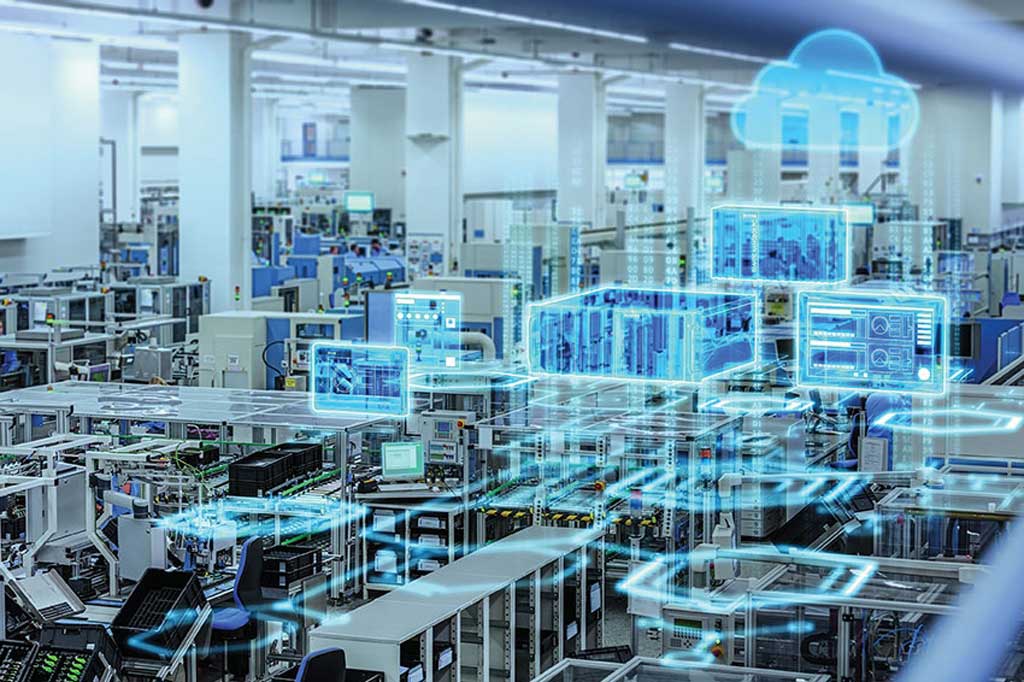
Challenges and Considerations
While the advantages are clear, implementing remote monitoring in a factory environment comes with its own set of challenges:
- Integration Complexity: Connecting legacy equipment and disparate systems can require custom solutions or upgrades.
- Cybersecurity: Protecting sensitive operational data and preventing unauthorized access is critical.
- Data Overload: Managing and interpreting large volumes of data demands robust analytics tools and skilled personnel.
- Initial Investment: Upfront costs for sensors, infrastructure, and software can be significant, though ROI is often realized over time.
Addressing these factors during planning and deployment helps ensure a smooth transition and maximizes the return on investment.
Best Practices for Deploying Remote Monitoring Solutions
To get the most out of your investment in digital oversight, consider the following best practices:
- Start Small: Pilot the system on a single production line or asset before scaling up.
- Define Clear Objectives: Identify the key metrics and outcomes you want to achieve, such as reducing downtime or improving energy efficiency.
- Choose Scalable Platforms: Select solutions that can grow with your business and integrate with future technologies.
- Invest in Training: Ensure staff are comfortable using new tools and interpreting data insights.
- Prioritize Security: Work with IT professionals to safeguard your network and data.
By following these guidelines, factories can accelerate digital transformation and build a foundation for future innovation.
FAQ: Common Questions About Factory Remote Monitoring
What types of data can be monitored remotely in a factory?
Factories can monitor a wide range of data, including equipment status, production rates, energy consumption, environmental conditions (like temperature and humidity), and safety parameters. The specific data points depend on the sensors and systems installed.
Is remote monitoring suitable for older factories with legacy equipment?
Yes, many remote monitoring solutions are designed to retrofit onto existing equipment. While integration may require additional effort, even older factories can benefit from improved visibility and predictive maintenance.
How does remote monitoring improve maintenance strategies?
By providing real-time insights and historical data, remote monitoring enables predictive maintenance. This approach helps identify potential failures before they cause downtime, allowing maintenance teams to schedule repairs proactively and reduce costs.
Can remote monitoring help with regulatory compliance?
Absolutely. Automated data collection and reporting make it easier to demonstrate compliance with safety, environmental, and quality standards. Alerts can also notify staff if conditions approach regulatory limits.
Conclusion
Understanding factory remote monitoring explained is essential for manufacturers aiming to stay competitive and resilient. By leveraging connected technologies, factories can gain real-time insights, reduce costs, and improve operational agility. As digital transformation accelerates, investing in remote monitoring is becoming less of an option and more of a necessity for sustainable growth.