
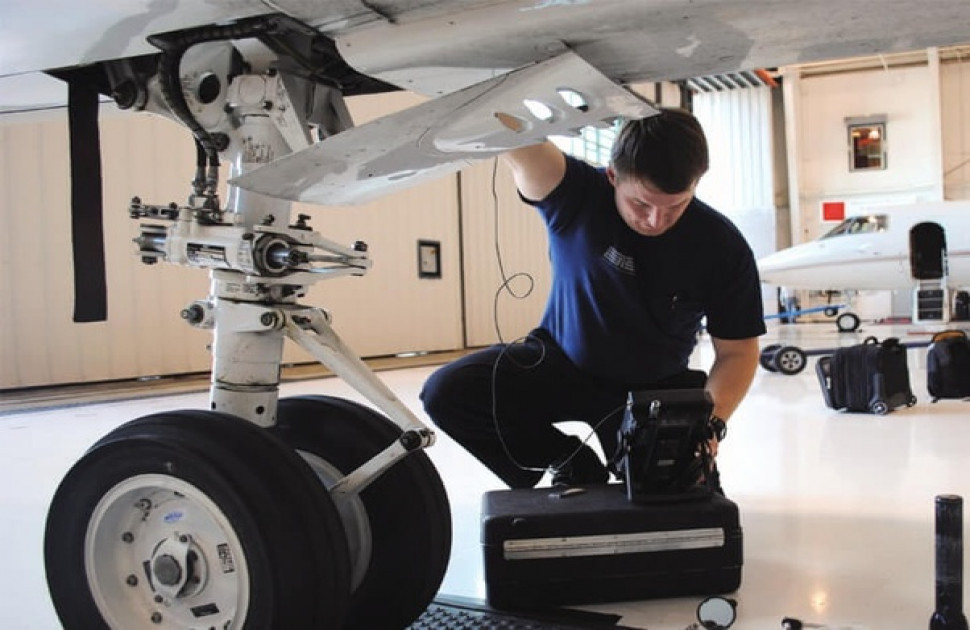
In the rapidly evolving world of technology, autonomous inspections and synchronization have emerged as game-changers. These technologies are transforming industries by enhancing efficiency, accuracy, and safety. But what exactly are autonomous inspections and synchronization, and how are they shaping the future?
Autonomous inspections involve the use of advanced robotic systems and artificial intelligence (AI) to perform inspections without human intervention. These systems are designed to identify anomalies and defects in various environments, from manufacturing plants to pipelines and even in hazardous locations.
Synchronization, on the other hand, refers to the seamless coordination between different systems and processes. In the context of autonomous inspections, synchronization ensures that these inspections are carried out in a timely and coordinated manner, optimizing resource usage and minimizing downtime.

The Importance of Autonomous Inspections
Autonomous inspections are becoming increasingly important across multiple industries. They offer numerous benefits, including:
- Increased Efficiency: Autonomous systems can operate continuously without the need for breaks, significantly increasing the efficiency of inspection processes.
- Improved Accuracy: By leveraging advanced sensors and AI algorithms, autonomous inspections can detect even the smallest defects with high precision.
- Enhanced Safety: By removing the need for human inspectors in dangerous environments, these systems reduce the risk of accidents and injuries.
For instance, in the oil and gas industry, autonomous inspections can be used to monitor pipelines for leaks or corrosion, ensuring the safety of operations and preventing environmental disasters. More information about inspection processes can be found on the HSE website.
Synchronization in Industry
Synchronization plays a crucial role in ensuring that autonomous inspections are carried out efficiently. It involves coordinating various systems and processes to ensure that inspections are conducted at the right time and with the right resources.
For example, in a manufacturing plant, synchronization can ensure that inspections are conducted during scheduled maintenance periods, minimizing production disruptions. This coordination is vital for maintaining the smooth operation of industrial processes.
Technological Advancements Driving Synchronization
Several technological advancements are driving the synchronization of autonomous inspections:
- Internet of Things (IoT): IoT devices enable real-time data collection and communication between different systems, facilitating seamless synchronization.
- Cloud Computing: Cloud platforms provide the necessary infrastructure for storing and processing large volumes of data, supporting synchronized operations.
- Artificial Intelligence: AI algorithms can analyze data and make decisions in real-time, ensuring that inspections are carried out efficiently.
Challenges and Solutions
While the benefits of autonomous inspections and synchronization are clear, there are also challenges that need to be addressed. These include:
- Data Security: As these systems rely on data collection and communication, ensuring the security of this data is paramount.
- Integration with Existing Systems: Integrating autonomous systems with existing infrastructure can be complex and requires careful planning.
- Regulatory Compliance: Industries must ensure that autonomous inspections comply with relevant regulations and standards.
One way to address these challenges is through robust compliance and synchronization testing.
The Future of Autonomous Inspections
As technology continues to advance, the potential applications of autonomous inspections and synchronization are vast. Future developments may include:
- Integration with Drones: Drones equipped with advanced sensors could conduct inspections in hard-to-reach areas.
- Predictive Maintenance: By analyzing data from inspections, AI algorithms could predict equipment failures before they occur, reducing downtime and maintenance costs.
- Industry 4.0: Autonomous inspections will play a key role in the ongoing digital transformation of industries, contributing to smarter and more efficient operations.
For a deeper exploration into the future of inspection tools, consider visiting this informative page.
Conclusion
In conclusion, autonomous inspections and synchronization are revolutionizing industries by improving efficiency, accuracy, and safety. As technology continues to evolve, these systems will become even more integral to industrial operations, opening up new possibilities for innovation and growth.

FAQs
What industries benefit most from autonomous inspections?
Industries such as oil and gas, manufacturing, and construction benefit greatly from autonomous inspections due to their complex and often hazardous environments.
How does synchronization improve inspection processes?
Synchronization ensures that inspections are conducted at the optimal time and with the best resources, minimizing disruptions and improving overall efficiency.
Are there any regulatory considerations for autonomous inspections?
Yes, industries must comply with relevant regulations and standards to ensure the safety and reliability of autonomous inspection systems.
This article contains affiliate links. We may earn a commission at no extra cost to you.