

The manufacturing sector is undergoing a transformation as artificial intelligence (AI) becomes a core tool for maintaining equipment reliability and minimizing downtime. Knowing how AI predicts machine failures is essential for organizations aiming to boost efficiency, reduce costs, and stay competitive in an increasingly automated world. By leveraging advanced data analytics and machine learning, AI systems can identify early warning signs of equipment issues—often before any visible symptoms arise.
This guide explores the core principles behind predictive maintenance powered by AI, the types of data and algorithms involved, and the practical steps manufacturers can take to implement these solutions. For those interested in the broader context of connected factories, our introduction to factory edge computing covers how edge devices and AI work together to drive smarter operations.
Understanding Predictive Maintenance With AI
Predictive maintenance is a proactive approach that uses data-driven insights to anticipate when equipment might fail. Instead of relying on fixed schedules or waiting for breakdowns, AI-powered systems analyze real-time and historical data to forecast potential issues. This shift from reactive to predictive strategies can significantly reduce unplanned downtime and extend the lifespan of critical assets.
The core of this approach lies in the ability of AI to process vast amounts of sensor data, detect subtle anomalies, and recognize patterns that humans might miss. By doing so, AI can provide early alerts, allowing maintenance teams to intervene before minor issues escalate into costly failures.
Key Data Sources for Predicting Equipment Issues
For AI to effectively anticipate problems, it must be fed with high-quality, relevant data. In manufacturing environments, several types of data are commonly used:
- Sensor Data: Vibration, temperature, pressure, and acoustic sensors provide continuous streams of information about machine health.
- Operational Logs: Records of machine usage, error codes, and maintenance history help AI models understand normal and abnormal behavior.
- Environmental Data: Factors such as humidity, dust, and ambient temperature can influence equipment performance and are valuable for accurate predictions.
- Production Metrics: Output rates, cycle times, and quality measurements offer context for identifying deviations linked to potential failures.
Integrating these data sources allows AI systems to build a comprehensive picture of equipment status and operating conditions.
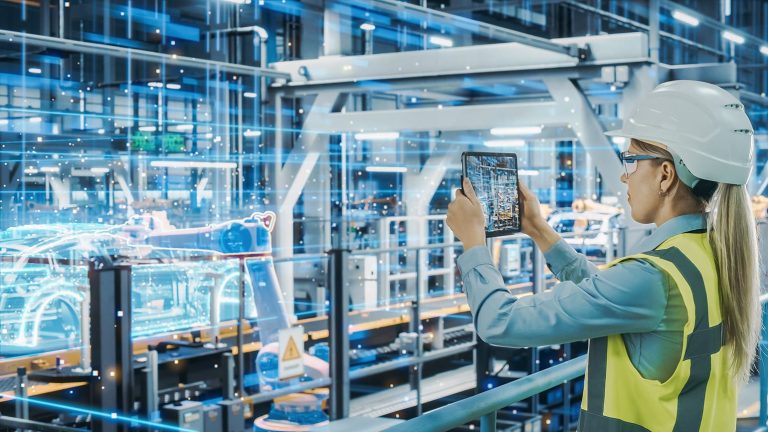
How Machine Learning Models Detect Early Warning Signs
The heart of how AI predicts machine failures lies in machine learning algorithms trained to recognize patterns associated with impending breakdowns. These models are typically built using historical data from similar equipment, including both normal operations and past failure events.
Common techniques include:
- Anomaly Detection: Algorithms identify data points that deviate from established norms, flagging them as potential indicators of trouble.
- Classification: Models categorize machine states (healthy, warning, critical) based on input features.
- Regression: Predicts the remaining useful life (RUL) of components, helping schedule maintenance before issues arise.
- Time Series Analysis: Examines trends and cycles in sensor data to spot gradual deterioration or abrupt changes.
By continuously learning from new data, these models become more accurate over time, adapting to changes in equipment usage and environmental conditions.
Implementing AI-Driven Failure Prediction in Manufacturing
Deploying AI for predictive maintenance involves several practical steps:
- Data Collection: Install sensors and ensure reliable data capture from all critical assets.
- Data Integration: Aggregate information from disparate sources into a centralized platform for analysis.
- Model Training: Use historical and real-time data to train machine learning algorithms tailored to specific equipment types.
- Deployment: Integrate AI models with existing monitoring systems to provide actionable alerts and insights.
- Continuous Improvement: Regularly update models with new data and feedback from maintenance outcomes.
Manufacturers can also benefit from exploring how machine learning optimizes production to further enhance operational efficiency alongside predictive maintenance.

Benefits of Using AI for Equipment Reliability
Adopting AI-based predictive maintenance offers several tangible advantages:
- Reduced Downtime: Early detection of faults allows for planned interventions, minimizing unexpected stoppages.
- Lower Maintenance Costs: Addressing issues before they escalate reduces the need for emergency repairs and extends asset life.
- Improved Safety: Identifying hazardous conditions in advance helps protect workers and prevent accidents.
- Optimized Resource Allocation: Maintenance teams can focus efforts where they are most needed, improving productivity.
- Data-Driven Decision Making: Access to real-time insights supports better planning and continuous process improvement.
For a broader perspective on digital transformation in manufacturing, consider exploring smart factory solutions and their impact on modern production environments.
Challenges and Considerations for AI-Based Maintenance
While the benefits are clear, implementing AI for predictive maintenance is not without challenges:
- Data Quality: Inaccurate or incomplete data can lead to false alarms or missed detections.
- Integration Complexity: Connecting legacy equipment and disparate systems may require significant effort.
- Model Interpretability: Maintenance teams need clear, actionable insights rather than black-box predictions.
- Change Management: Shifting from traditional maintenance to AI-driven approaches requires training and cultural adaptation.
- Cybersecurity: As more devices become connected, safeguarding sensitive operational data is critical. For best practices, see our guide on factory cybersecurity best practices.
Future Trends in Predictive Maintenance Technology
The landscape of predictive maintenance continues to evolve. Emerging trends include:
- Edge Computing: Processing data closer to the source reduces latency and enables faster decision-making. Learn more in our introduction to factory edge computing.
- Integration With Automation: AI-driven insights are increasingly being fed directly into automated control systems for real-time response.
- Cloud-Based Analytics: Centralized platforms allow for scalable data storage and advanced analytics across multiple sites.
- Self-Learning Systems: Continuous model updates ensure that predictions remain accurate as equipment ages and processes change.
As these technologies mature, the ability to anticipate and prevent equipment failures will become even more precise and accessible.
FAQ: Predictive Maintenance and AI in Manufacturing
What types of machines benefit most from AI-based failure prediction?
Equipment with high operational complexity, frequent use, or critical roles in production—such as CNC machines, conveyors, pumps, and robotics—see the greatest value from predictive maintenance powered by AI. However, even simpler assets can benefit when data is available.
How accurate are AI predictions for machine failures?
The accuracy of AI predictions depends on the quality and quantity of input data, the sophistication of the algorithms, and ongoing model updates. With robust data and regular tuning, AI systems can achieve high reliability in detecting early warning signs.
Is it difficult to integrate AI predictive maintenance with existing factory systems?
Integration can be challenging, especially with older equipment or fragmented IT infrastructures. However, modern solutions often provide APIs and middleware to connect with existing monitoring and control systems. Starting with a pilot project can help identify and address integration hurdles.
Conclusion
Understanding how AI predicts machine failures is a key step toward building more resilient, efficient, and cost-effective manufacturing operations. By harnessing the power of data and advanced analytics, organizations can move from reactive fixes to proactive strategies that keep production lines running smoothly. As technology advances, the predictive capabilities of AI will only become more integral to the future of smart manufacturing.
For further reading on automation and digital transformation in factories, see our article on understanding factory automation systems or explore how cloud computing helps factories operate smarter.