
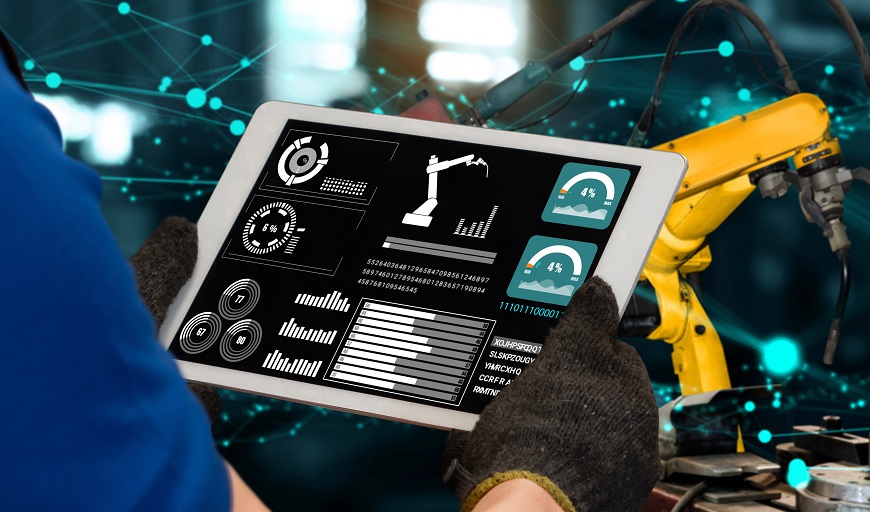
The integration of collaborative robots, or cobots, has transformed modern manufacturing environments. Unlike traditional industrial robots, which often operate in isolation, cobots are designed to work safely alongside human workers, enhancing productivity and flexibility. This guide explores the underlying principles, technologies, and practical applications of these advanced machines on the factory floor. By understanding how collaborative robots work in factories, manufacturers can make informed decisions about automation and workforce collaboration.
As factories evolve with digital transformation and automation, topics such as introduction to factory edge computing and smart manufacturing are becoming increasingly relevant. Cobots play a key role in this shift, bridging the gap between human expertise and automated efficiency.
Understanding Cobots and Their Role in Manufacturing
Cobots are a distinct category of robots engineered to interact directly with humans in a shared workspace. Their design prioritizes safety, adaptability, and ease of use, making them suitable for a wide range of manufacturing tasks. These machines are equipped with advanced sensors and software that allow them to sense human presence, adjust their actions, and even stop when unexpected contact is detected.
The main difference between cobots and traditional robots lies in their collaborative nature. While conventional robots are typically caged off for safety, cobots can operate side by side with people, handling repetitive, precise, or ergonomically challenging tasks. This synergy enables manufacturers to optimize workflows without sacrificing worker safety or flexibility.
Key Technologies Behind Collaborative Robots
To understand how collaborative robots work in factories, it’s important to look at the core technologies that enable their safe and efficient operation:
- Advanced Sensors: Cobots use force, torque, and proximity sensors to detect human presence and obstacles, ensuring safe interaction.
- Machine Vision: Cameras and image processing software allow cobots to recognize objects, read barcodes, and inspect products.
- Intuitive Programming: Many cobots can be programmed by demonstration—workers physically guide the robot through a task, which it then repeats autonomously.
- Connectivity: Integration with factory networks and edge computing platforms enables real-time data exchange and remote monitoring.
- Safety Features: Built-in compliance and emergency stop mechanisms help prevent accidents and injuries.

How Cobots Integrate with Factory Systems
Seamless integration with existing automation and IT infrastructure is essential for maximizing the benefits of cobots. These machines often connect to manufacturing execution systems (MES), enterprise resource planning (ERP) platforms, and edge computing devices. By linking with digital systems, cobots can receive real-time instructions, report performance data, and adapt to changing production requirements.
For organizations interested in the broader context of automation, resources like understanding factory automation systems provide valuable background on how cobots fit into the larger ecosystem of smart manufacturing.
Typical Applications on the Factory Floor
Cobots are deployed in a variety of roles, depending on the needs of the facility. Common applications include:
- Assembly of small parts and components
- Packaging and palletizing finished goods
- Machine tending, such as loading and unloading CNC machines
- Quality inspection using vision systems
- Screwdriving, welding, and adhesive dispensing
Their flexibility allows for quick reprogramming and redeployment, making them ideal for facilities with high-mix, low-volume production or frequent product changes.
Benefits of Collaborative Robots in Industrial Settings
Adopting cobots brings several advantages to manufacturing operations:
- Enhanced Safety: Built-in safety features reduce the risk of accidents, allowing humans and robots to share workspaces.
- Increased Productivity: Cobots can operate continuously, handle repetitive tasks, and free up human workers for more complex activities.
- Cost Efficiency: Lower barriers to entry and flexible deployment make cobots a cost-effective automation solution, especially for small and medium-sized enterprises.
- Improved Quality: Consistent, precise operation leads to fewer defects and higher product quality.
- Scalability: Cobots can be easily added or reconfigured as production needs evolve.
Challenges and Considerations for Implementation
While the advantages of cobots are significant, successful deployment requires careful planning. Key considerations include:
- Task Suitability: Not all processes are ideal for automation with cobots. Tasks should be evaluated for complexity, variability, and safety.
- Workforce Training: Employees need training to interact with, program, and maintain collaborative robots.
- Integration Complexity: Connecting cobots with legacy systems or other automation equipment may require additional investment.
- Change Management: Introducing cobots can impact workplace culture and roles, so clear communication and involvement are essential.
For more on how digital technologies are transforming manufacturing, the article on what defines a smart factory offers further insights into the broader trends shaping the industry.
Future Trends: Cobots and Smart Factories
The future of manufacturing is closely tied to the continued evolution of collaborative robotics. As artificial intelligence and machine learning become more integrated, cobots will gain the ability to learn from data, adapt to new tasks, and optimize their own performance. This convergence is central to the development of smart factories, where interconnected systems drive efficiency and innovation.
Manufacturers looking to stay ahead should also consider related advancements, such as how machine learning optimizes production and how cloud computing helps factories operate smarter. These technologies, combined with collaborative robots, are shaping the next generation of industrial automation.
Frequently Asked Questions
What makes collaborative robots different from traditional industrial robots?
Collaborative robots are designed to work safely alongside humans without the need for physical barriers. They use advanced sensors and safety features to detect human presence and adjust their actions accordingly, while traditional robots typically operate in isolated, caged environments.
How do factories ensure the safety of workers when using cobots?
Safety is achieved through a combination of force and proximity sensors, emergency stop mechanisms, and compliance with international safety standards. Cobots are programmed to stop or slow down if they detect unexpected contact or obstacles, minimizing the risk of injury.
Can collaborative robots be used in small and medium-sized manufacturing facilities?
Yes, cobots are particularly well-suited for small and medium-sized enterprises due to their flexibility, ease of programming, and lower cost compared to traditional automation solutions. They can be quickly deployed and reconfigured as production needs change.
What are some common tasks that cobots handle in factories?
Cobots are commonly used for assembly, packaging, machine tending, quality inspection, and material handling. Their adaptability allows them to take on a wide range of repetitive or ergonomically challenging tasks.
How do cobots contribute to the development of smart factories?
By integrating with digital systems and leveraging real-time data, cobots enable greater automation, flexibility, and efficiency. They are a key component in the shift toward smart manufacturing environments where humans and machines collaborate seamlessly.