
The manufacturing landscape has transformed dramatically in recent decades, with automation and digital technologies reshaping how products are made. Among the most significant advancements is the adoption of CNC (Computer Numerical Control) machines in production environments. These programmable devices have become foundational to efficient, precise, and scalable manufacturing, enabling factories to meet the demands of modern markets.
Understanding the importance of CNC machines in factories is crucial for anyone involved in industrial operations, engineering, or supply chain management. These systems not only enhance productivity but also ensure consistent quality, reduce waste, and support innovation. For those interested in the broader context of digital transformation in manufacturing, exploring resources like introduction to factory edge computing can provide valuable insights into how connected technologies are shaping the future of industry.
How CNC Machines Have Revolutionized Manufacturing
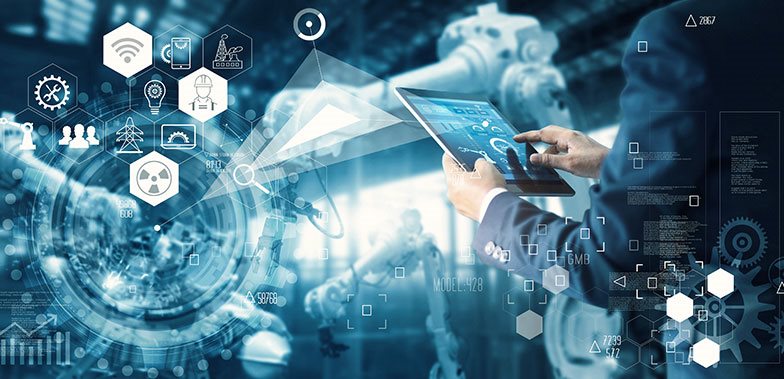
The introduction of CNC technology marked a turning point for industrial production. Traditional manual machining required skilled operators to guide tools and adjust settings by hand, which limited speed and precision. With CNC, computers control the movement and operation of machinery, executing complex instructions with minimal human intervention.
This shift has brought several key benefits:
- Enhanced accuracy: CNC systems follow digital blueprints exactly, reducing human error and ensuring parts are produced to tight tolerances.
- Repeatability: Once a program is created, it can be run as many times as needed, guaranteeing consistency across large production runs.
- Flexibility: Changing designs or specifications is as simple as updating the software, allowing rapid adaptation to new products or custom orders.
- Reduced labor costs: Automation frees skilled workers from repetitive tasks, enabling them to focus on programming, maintenance, and quality control.
- Improved safety: With less direct interaction between operators and machinery, the risk of workplace accidents decreases.
Key Roles of CNC Machines in Factory Operations
The importance of CNC machines in factories is evident across a wide range of applications. These systems are used to manufacture components for automotive, aerospace, electronics, medical devices, and countless other sectors. Their ability to handle diverse materials—such as metals, plastics, and composites—makes them indispensable in both mass production and prototyping.
Some of the most common CNC-driven processes include:
- Milling: Removing material from a workpiece to create complex shapes and surfaces.
- Turning: Rotating a part while cutting tools shape its exterior or interior.
- Drilling: Creating precise holes for fasteners, wiring, or assembly.
- Grinding and finishing: Achieving smooth surfaces and exact dimensions.
- Laser and plasma cutting: Using high-energy beams to cut or engrave materials with minimal waste.
By integrating these capabilities into automated workflows, factories can achieve higher throughput, reduce lead times, and maintain stringent quality standards.
Boosting Efficiency and Quality in Smart Factories
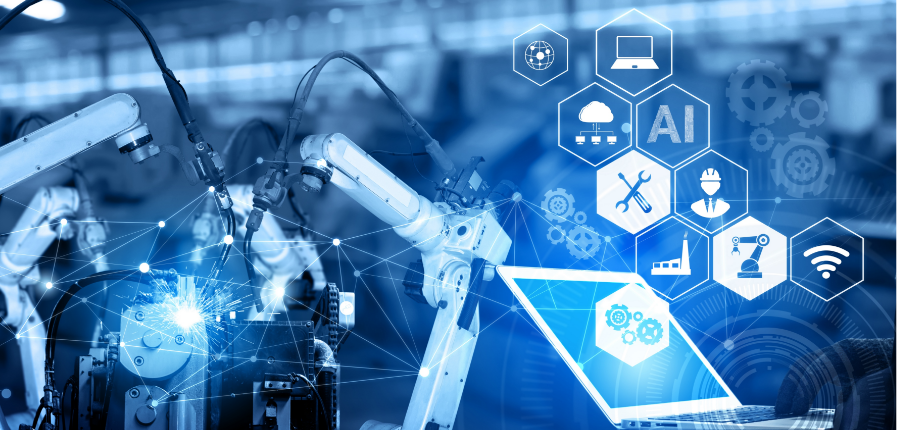
As factories evolve into highly connected, data-driven environments, CNC machines play a central role in enabling smart manufacturing. Their integration with sensors, industrial networks, and advanced analytics allows for real-time monitoring and optimization of production processes. This synergy is a core aspect of the importance of CNC machines in factories striving for Industry 4.0 readiness.
For example, CNC equipment can automatically adjust cutting speeds, tool paths, and other parameters based on feedback from sensors, minimizing defects and maximizing tool life. When paired with predictive maintenance systems, these machines can signal when service is needed, reducing unplanned downtime and extending equipment lifespan.
The move toward smart automation also supports sustainability goals. By optimizing material usage and energy consumption, CNC-driven operations help reduce waste and lower the environmental impact of manufacturing.
For a deeper understanding of how automation technologies interact within the factory ecosystem, consider reading about understanding factory automation systems.
Integrating CNC with Other Digital Technologies
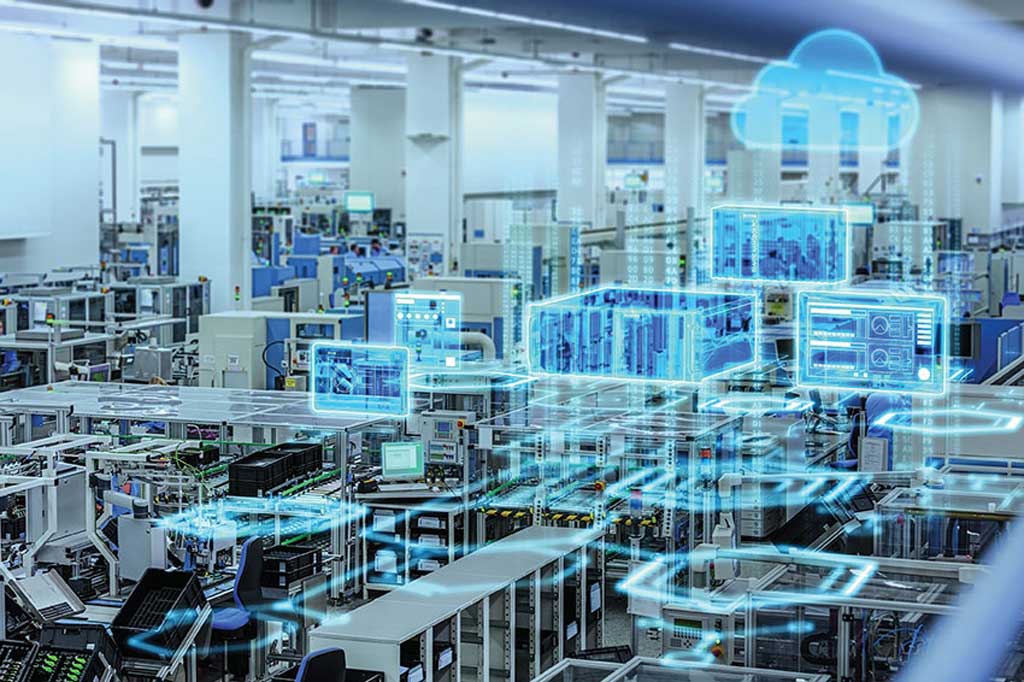
The full potential of CNC machinery is realized when combined with other digital tools and platforms. Modern factories often connect CNC systems to enterprise resource planning (ERP) software, manufacturing execution systems (MES), and cloud-based analytics. This integration streamlines scheduling, inventory management, and quality assurance.
Additionally, the use of edge computing and machine learning enables real-time decision-making at the production line. For insights into these trends, the article on how machine learning optimizes production provides practical examples of data-driven manufacturing improvements.
The ongoing convergence of CNC, robotics, and digital infrastructure is at the heart of the smart factory movement. According to Oracle’s overview of smart manufacturing, this approach leads to greater agility, transparency, and competitiveness in global markets.
Challenges and Considerations for Adoption
While the advantages of CNC automation are clear, implementing these systems requires careful planning. Initial investment costs, workforce training, and cybersecurity are important considerations. Factories must ensure that their staff can program, operate, and maintain advanced machinery, and that digital assets are protected from cyber threats. For best practices in securing industrial environments, review the guide on factory cybersecurity best practices.
Furthermore, integrating CNC with legacy equipment and existing IT infrastructure can pose technical challenges. Successful adoption often involves phased implementation, ongoing support, and a commitment to continuous improvement.
Frequently Asked Questions
What Are the Main Benefits of Using CNC Machines in Manufacturing?
CNC technology delivers high precision, repeatability, and efficiency. It enables factories to automate complex tasks, reduce errors, and adapt quickly to changing product requirements. These advantages lead to lower production costs, improved product quality, and faster time-to-market.
How Do CNC Machines Contribute to Smart Factory Initiatives?
By integrating with sensors, networks, and analytics platforms, CNC systems provide real-time data and automation capabilities. This supports predictive maintenance, process optimization, and seamless coordination with other digital tools, forming the backbone of smart manufacturing environments.
Are There Any Drawbacks to Implementing CNC Technology?
The main challenges include the upfront investment in equipment and software, the need for skilled operators and programmers, and potential cybersecurity risks. However, with proper planning and training, these obstacles can be managed, and the long-term benefits typically outweigh the initial costs.
Conclusion
The shift toward automated, data-driven production has made CNC machines a cornerstone of modern industrial operations. Their ability to deliver precision, scalability, and flexibility is essential for factories aiming to stay competitive in a rapidly changing market. By embracing CNC technology and integrating it with other digital solutions, manufacturers can unlock new levels of efficiency, quality, and innovation.
As the industrial sector continues to evolve, understanding and leveraging the importance of CNC machines in factories will remain a key driver of success. For those looking to further enhance their operations, exploring topics like how cloud computing helps factories can offer additional strategies for building smarter, more resilient manufacturing systems.