
Capturing the thrill and speed of motorsports requires more than just a fast shutter finger. Motion blur motorsports photography is a creative technique that brings energy and drama to racing images, allowing photographers to convey the sensation of movement and velocity. By intentionally blurring parts of the image—usually the background or wheels—while keeping the subject sharp, you can transform a static moment into a dynamic story.
Whether you’re a seasoned trackside shooter or just starting to explore motorsport events, understanding how to use motion blur effectively will elevate your portfolio. This article covers essential techniques, gear choices, camera settings, and practical tips for achieving professional-looking results. For those interested in expanding their skills to other subjects, you might also enjoy our motion blur bicycle photography guide.
Understanding Motion Blur in Motorsports
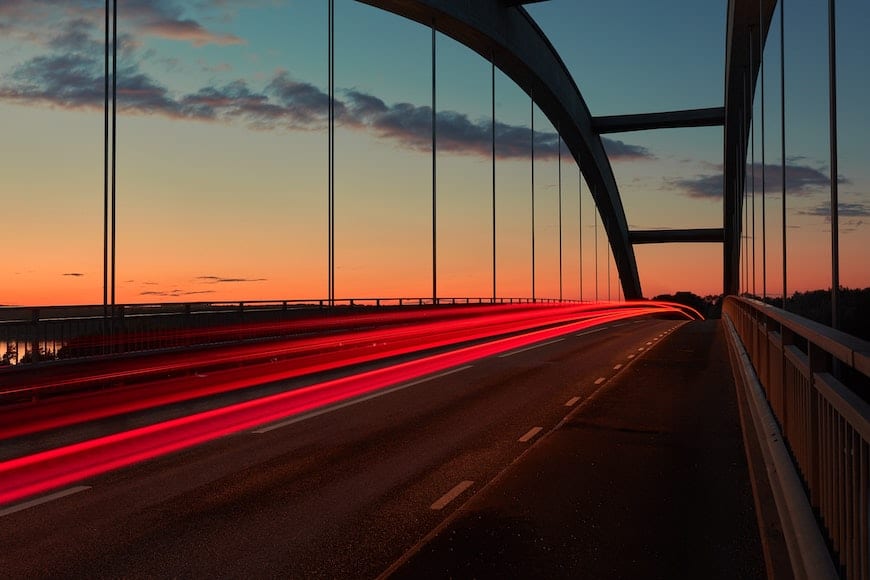
At its core, motion blur in motorsports images is about showing speed. When a race car, motorcycle, or kart zips by, freezing every detail with a high shutter speed can sometimes make the scene look lifeless. By slowing down your shutter and tracking the subject, you create streaks and lines that suggest rapid movement. This technique, known as panning, is a staple in motorsports event coverage.
The key is to balance blur and sharpness. Ideally, the vehicle remains crisp while the background or wheels show motion. This effect not only adds excitement but also helps viewers feel the rush of the race.
Essential Gear for Capturing Dynamic Racing Images
While you don’t need the most expensive equipment, certain gear choices can make a big difference in motorsports motion blur photography:
- Camera Body: Any DSLR or mirrorless camera with manual controls will work. Fast autofocus and good burst rates are helpful.
- Lens: Telephoto zooms (70-200mm or 100-400mm) are popular for trackside shooting. A lens with image stabilization can help reduce camera shake during panning.
- Tripod or Monopod: While many photographers shoot handheld, a monopod can provide extra stability for longer sessions.
- ND Filter: In bright conditions, a neutral density filter allows slower shutter speeds without overexposing your image.
Remember, the best gear is the one you know how to use. Practice with your current setup before investing in upgrades.
Camera Settings for Motion Blur Effects
Achieving the right balance between sharpness and blur depends on your camera settings. Here’s what to focus on:
- Shutter Speed: The most critical setting. For motion blur motorsports photography, start with shutter speeds between 1/60 and 1/250 seconds. The faster the subject, the faster your shutter can be while still showing blur.
- Aperture: Use a smaller aperture (higher f-number) if you need more depth of field or to compensate for slower shutter speeds in bright light.
- ISO: Keep ISO as low as possible to minimize noise, but don’t be afraid to raise it if light is low.
- Focus Mode: Continuous autofocus (AI Servo/AF-C) helps keep moving subjects sharp.
- Drive Mode: Use burst or continuous shooting to increase your chances of nailing the perfect shot.
Experiment with different combinations to see what works best for your location and subject speed.
Panning Techniques for Racing Action
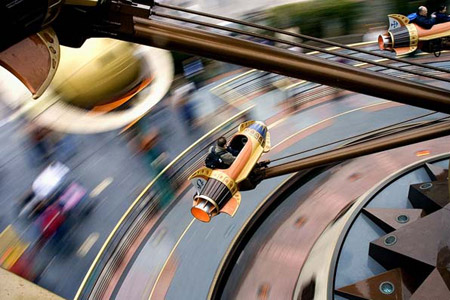
Panning is the classic technique for creating motion blur in motorsports images. Here’s how to master it:
- Stand parallel to the track, with a clear view of the racing line.
- Set your camera to the desired shutter speed (start with 1/125s).
- As the vehicle approaches, lock focus and smoothly follow its movement with your camera.
- Press the shutter while continuing to pan, keeping the subject in the same spot in your viewfinder.
- Follow through after the shot to maintain a smooth motion.
It takes practice to get sharp subjects with blurred backgrounds. Don’t be discouraged by missed shots—digital photography allows for plenty of experimentation.
Creative Ideas and Advanced Tips
Once you’re comfortable with the basics, try these ideas to push your motorsports motion blur images further:
- Vary Your Angles: Shoot from low or high perspectives to add drama.
- Include Trackside Elements: Fences, barriers, or crowds can enhance the sense of speed.
- Experiment with Night Racing: Headlights and taillights create striking light trails.
- Try Different Subjects: Capture pit crews, tire changes, or fans for a complete event story.
- Use Motion Blur with Moving Camera: For more creative effects, explore techniques like those in our motion blur with moving camera article.
For a deeper dive into the science and art of this technique, check out this comprehensive overview of motion blur photography.
Common Challenges and How to Overcome Them
Even experienced photographers face obstacles when shooting at the track. Here are some typical issues and solutions:
- Too Much Blur: If your subject is too blurry, increase your shutter speed slightly or improve your panning technique.
- Not Enough Blur: If images look static, slow down your shutter or choose faster-moving subjects.
- Focus Misses: Use continuous autofocus and pre-focus on a spot where the action will occur.
- Obstructed Views: Arrive early to secure a good spot, or move around the venue for different perspectives.
Patience and practice are key. Review your images between sessions and adjust settings as needed.
Related Motion Blur Photography Guides
If you’re interested in applying these techniques to other subjects, explore our guides on motion blur ocean waves photography, motion blur train photography, and motion blur with moving subject for more inspiration and tips.
FAQ
What is the best shutter speed for motion blur in motorsports?
The ideal shutter speed depends on the speed of your subject and the amount of blur you want. For most racing situations, try starting between 1/60 and 1/250 seconds. Adjust as needed based on your results and the effect you’re aiming for.
How do I keep the subject sharp while blurring the background?
Use the panning technique: follow the moving vehicle with your camera, matching its speed as you press the shutter. This keeps the subject relatively sharp while the background blurs, highlighting the sense of motion.
Can I create motion blur effects without professional gear?
Absolutely. While high-end cameras and lenses can make things easier, you can achieve impressive results with entry-level gear. The most important factors are your technique, understanding of camera settings, and willingness to practice.