

Capturing the energy and speed of a runner in a single frame is an exciting challenge for photographers. Motion blur running photography is a creative approach that emphasizes movement, turning ordinary action shots into dynamic, visually compelling images. By intentionally allowing some parts of the photo to blur, you can convey a sense of motion and intensity that sharp, frozen images often lack.
Whether you’re an experienced photographer or just starting to experiment with creative techniques, understanding how to use motion blur effectively can elevate your sports and action photography. This article will walk you through the essential concepts, camera settings, and practical tips for producing stunning images of runners in motion.
If you’re interested in exploring other creative uses of blur, you might also find value in our motion blur bicycle photography guide, which covers similar principles applied to cycling.
Understanding Motion Blur in Running Images
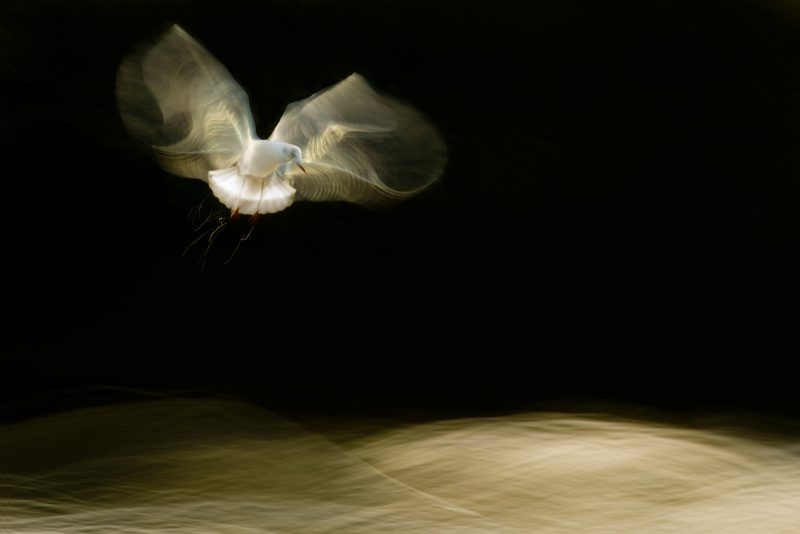
The essence of motion blur running photography lies in using slower shutter speeds to capture the movement of a subject. Instead of freezing the runner mid-stride, you allow the motion to streak across the frame, highlighting speed and direction. This technique can be subtle, with just a hint of blur in the limbs, or dramatic, with the entire runner transformed into a dynamic blur against a sharp background.
Motion blur can be achieved in several ways, such as panning with the runner, keeping the camera still while the subject moves, or even moving the camera intentionally. Each method produces a different effect, giving you creative control over the final image.
Essential Camera Settings for Dynamic Results
Achieving the right level of blur requires careful adjustment of your camera settings. Here are the key factors to consider:
- Shutter Speed: The most critical setting for motion blur. For running subjects, start with shutter speeds between 1/15 and 1/60 second. Slower speeds increase blur, while faster speeds reduce it.
- Aperture: A smaller aperture (higher f-number) lets you use slower shutter speeds in bright conditions. It also increases depth of field, keeping more of the scene in focus.
- ISO: Keep ISO as low as possible to minimize noise, especially when using longer exposures.
- Focus Mode: Continuous autofocus (AI Servo/AF-C) helps keep the runner sharp if you’re panning.
- Stabilization: Use a tripod or monopod for stationary shots. For panning, handheld can work well if you practice smooth movement.
Techniques for Capturing Motion Blur with Runners
There are several creative techniques to try when photographing runners in motion:
Panning for a Sharp Subject and Blurred Background
Panning involves moving your camera in sync with the runner’s movement. This keeps the subject relatively sharp while the background blurs, emphasizing speed. To master panning:
- Choose a shutter speed around 1/30 to 1/60 second.
- Stand parallel to the runner’s path.
- Start tracking the runner before pressing the shutter, and continue moving smoothly as you take the shot.
- Use burst mode to increase your chances of capturing the perfect moment.
Stationary Camera for Full Subject Blur
If you keep the camera still and let the runner move through the frame, the entire subject will blur. This technique works well for showing the flow of movement, especially in low light or with multiple runners.
Creative Camera Movement
Experimenting with intentional camera movement (ICM) can produce abstract, artistic images. Try moving the camera vertically or diagonally as the runner passes to create unique streaks and patterns.
Lighting Considerations for Motion Blur
Light plays a crucial role in motion blur running photography. Bright sunlight allows you to use lower ISO and smaller apertures, but may require neutral density (ND) filters to achieve slow shutter speeds. In low light, you can use slower shutter speeds more easily, but may need to stabilize your camera to avoid unwanted shake.
Pay attention to the direction and quality of light. Backlighting can create striking silhouettes with glowing edges, while side lighting emphasizes the shape and movement of the runner.
Compositional Tips for Impactful Images
Composition is just as important as technical settings. Here are some ideas to enhance your motion blur shots:
- Leave Space: Allow room in front of the runner to suggest movement and direction.
- Use Leading Lines: Paths, tracks, or fences can guide the viewer’s eye through the image.
- Frame the Action: Use natural elements or architecture to frame the runner and add depth.
- Experiment with Angles: Shooting from a low or high perspective can add drama and variety.
Editing and Post-Processing for Motion Blur Photos
Post-processing can help you refine your images and emphasize the sense of movement. Adjust contrast and clarity to make the runner stand out, or use selective sharpening to highlight specific areas. Cropping can also improve composition and focus attention on the action.
For more advanced techniques and inspiration, check out this comprehensive resource on motion blur photography from Adobe.
Related Creative Motion Blur Techniques
If you’re interested in expanding your skills beyond running, there are many other ways to use motion blur for dynamic images. Our guides on motion blur ocean waves photography and motion blur train photography offer practical tips for capturing movement in different environments. You can also explore motion blur with moving subject and motion blur with moving camera to further develop your creative toolkit.
Frequently Asked Questions
What shutter speed is best for capturing runners with motion blur?
For most running shots, a shutter speed between 1/15 and 1/60 second works well. The ideal speed depends on how much blur you want and how fast the runner is moving. Experiment within this range to find the effect you like best.
Can I achieve motion blur effects with a smartphone camera?
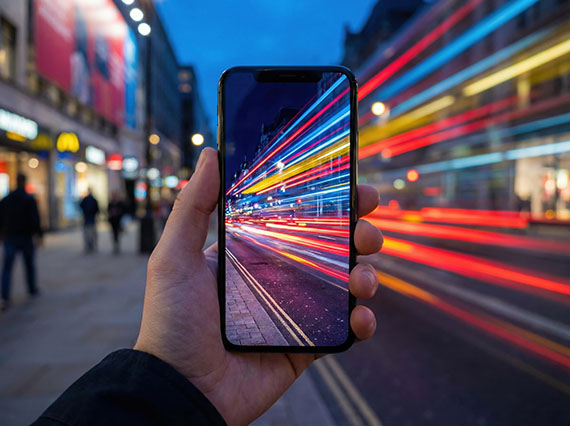
Yes, many modern smartphones offer manual controls or dedicated “pro” modes that let you adjust shutter speed. Use a tripod or stabilize your phone for best results, and try apps that allow for longer exposures if your default camera app is limited.
How do I keep the runner sharp while blurring the background?
The panning technique is the key. Move your camera in sync with the runner’s movement, using a slower shutter speed. This keeps the subject relatively sharp while the background blurs, creating a strong sense of motion.