
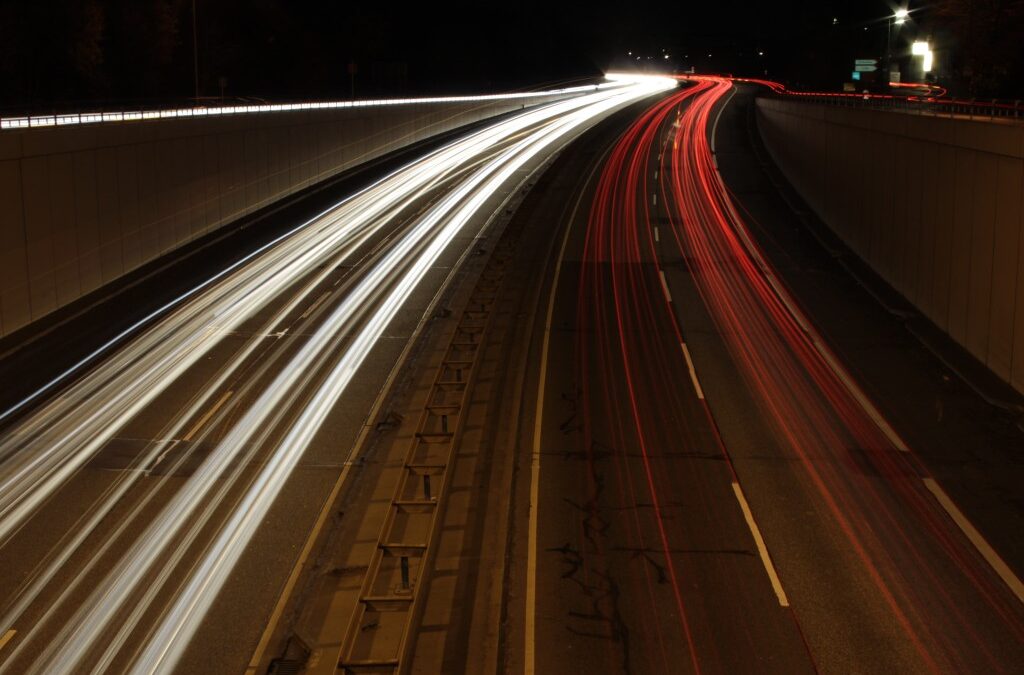
Capturing the dynamic energy of skating requires more than just a fast shutter and a steady hand. Motion blur skating photography is a creative approach that transforms fast-moving skaters into streaks of color and light, conveying speed and excitement in a single frame. By intentionally introducing blur, photographers can highlight the movement and rhythm of the sport, resulting in images that feel alive and full of action.
Whether you’re shooting at a skate park, a roller rink, or on city streets, understanding how to control blur and sharpness is essential. This guide covers the practical methods, camera settings, and artistic choices that help you master this style. If you’re interested in exploring similar techniques with other subjects, you might also enjoy our motion blur bicycle photography tips for inspiration.
Understanding Motion Blur in Skating Shots
At its core, motion blur skating photography leverages the movement of the skater or the camera (or both) to create a sense of speed. Unlike traditional sports photography, which often aims for tack-sharp images, this technique embraces blur as a storytelling tool. The key is to find the right balance: enough blur to show motion, but with enough detail to keep the subject recognizable.
The amount of blur depends on several factors:
- Shutter speed: Slower shutter speeds (typically between 1/10 and 1/60 second) allow more movement to be captured as blur.
- Subject speed: Faster skaters create longer streaks at the same shutter speed.
- Camera movement: Panning the camera with the skater can keep the subject sharp while blurring the background.
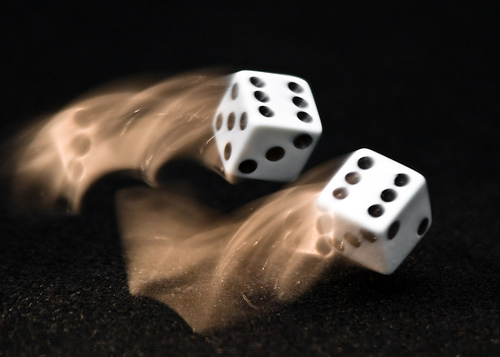
Essential Camera Settings for Dynamic Skating Images
Achieving the right look with motion blur skating photography starts with dialing in your camera settings. Here are the most important adjustments to consider:
- Shutter Speed: Experiment with speeds between 1/10 and 1/60 second. The slower the shutter, the more pronounced the blur. For beginners, 1/30 second is a good starting point.
- Aperture: Use a smaller aperture (higher f-stop number) to compensate for the extra light entering during longer exposures. This also increases depth of field, helping keep parts of the scene in focus.
- ISO: Keep ISO as low as possible to reduce noise, especially in low-light environments like indoor rinks. However, don’t be afraid to increase ISO if you need more sensitivity.
- Focus Mode: Continuous autofocus (AI Servo/AF-C) helps track moving skaters, but manual focus can work well if you pre-focus on a specific spot.
- Shooting Mode: Use burst or continuous shooting to increase your chances of capturing the perfect moment.
Creative Approaches: Panning and Static Blur
There are two main ways to introduce motion blur in skating photography: by moving the camera (panning) or by keeping the camera still and letting the skater move through the frame.
Panning for Isolated Subject Blur
Panning involves following the skater’s movement with your camera during the exposure. This technique keeps the skater relatively sharp while blurring the background, emphasizing speed and direction. To pan successfully:
- Stand parallel to the skater’s path.
- Use a moderate shutter speed (1/20–1/60 second).
- Start tracking the skater before pressing the shutter, then smoothly follow their movement as you shoot.
- Practice your timing—smooth, even motion is key.
For more on panning and related creative blur techniques, check out our guide to motion blur with moving camera methods.
Static Camera for Expressive Trails
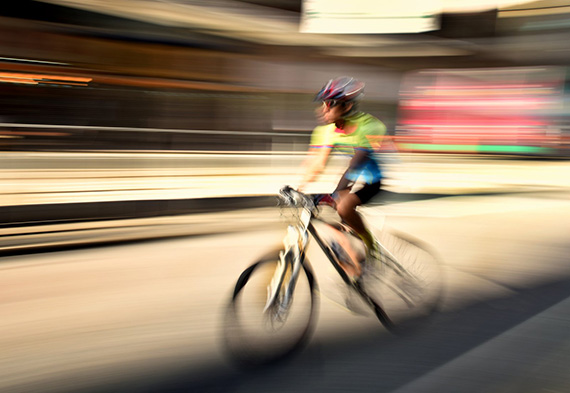
Keeping the camera still while the skater moves produces a different effect: the background remains sharp, while the skater becomes a streak or ghostly figure. This approach works well for showing the path of movement or for artistic, abstract results.
Lighting and Timing for Skating Action Shots
Lighting plays a crucial role in motion blur skating photography. Outdoor sessions benefit from natural light, but be mindful of harsh shadows or overly bright backgrounds. Golden hour (shortly after sunrise or before sunset) provides soft, directional light that enhances motion effects.
Indoors, you may need to increase ISO or use wider apertures to compensate for lower light. Some photographers use flash to freeze part of the action while allowing ambient light to create blur, but this requires careful balancing and is best attempted after mastering basic techniques.
Timing is equally important. Anticipate the skater’s movement and position yourself to capture the most dynamic part of their trick or stride. Pre-focusing on a spot where the action will happen can help ensure sharpness where you want it.
Composition Tips for Eye-Catching Results
Strong composition elevates motion blur images from snapshots to compelling works of art. Consider these tips:
- Lead Room: Leave space in the frame in the direction the skater is moving. This gives a sense of anticipation and flow.
- Backgrounds: Simple, uncluttered backgrounds make the blur stand out. Look for contrasting colors or patterns that complement the skater’s motion.
- Angles: Shooting from a low angle can exaggerate speed and make the skater appear more dynamic.
- Foreground Elements: Including railings, ramps, or other skaters in the foreground can add depth and context.
For more inspiration on using blur creatively with different subjects, our motion blur ocean waves photography guide explores similar principles in a very different setting.
Common Challenges and How to Overcome Them
Even experienced photographers encounter obstacles when working with motion blur and skating. Here are some common issues and solutions:
- Too much blur: If your subject is unrecognizable, try a faster shutter speed or improve your panning technique.
- Not enough blur: Slow down your shutter or choose a faster-moving skater.
- Focus misses: Use continuous autofocus or pre-focus on a spot where the skater will pass.
- Overexposure: Use a smaller aperture or lower ISO, especially in bright outdoor conditions.
Practice and patience are essential. Don’t be discouraged by early attempts—review your images, adjust your settings, and try again.
Further Learning and Resources
To deepen your understanding of capturing movement in photography, consider reading this comprehensive guide to motion blur in photography. It covers additional techniques and creative ideas that can be applied to skating and beyond.
You can also explore our motion blur with moving subject tips for more ways to experiment with dynamic scenes.
Frequently Asked Questions
What is the best shutter speed for creating motion blur in skating photos?
The ideal shutter speed depends on the speed of the skater and the effect you want. Generally, speeds between 1/10 and 1/60 second work well for most situations. Start at 1/30 second and adjust as needed to achieve the right balance of blur and sharpness.
How do I keep the skater sharp while blurring the background?
Use the panning technique: follow the skater’s movement with your camera during the exposure. This keeps the skater relatively sharp while the background blurs, emphasizing motion and speed.
Can I achieve motion blur effects with a smartphone camera?
Many modern smartphones offer manual or “pro” modes that allow you to adjust shutter speed. Use a tripod or stabilize your phone, set a slower shutter speed, and experiment with panning or static shots. Results may vary, but with practice, you can achieve creative blur effects even without a DSLR or mirrorless camera.