

The use of motion blur storytelling techniques has become a powerful tool for photographers and visual artists aiming to convey movement, emotion, and atmosphere within a single frame. By intentionally allowing parts of an image to blur, creators can guide viewers’ attention, evoke a sense of time passing, or inject energy into static scenes. Whether you’re working in urban environments, nature, or studio settings, mastering these methods can elevate your narrative and make your visuals stand out.
This article explores practical approaches to using motion blur for visual storytelling, including camera settings, creative concepts, and common pitfalls to avoid. For those interested in expanding their toolkit, you might also want to check out motion blur creative lighting for more inspiration on blending light and movement.
Understanding Motion Blur in Visual Narratives
At its core, motion blur is the streaking or smearing of moving objects in a photograph or video, caused by a longer exposure time. While often considered an error by beginners, when used intentionally, it becomes a storytelling device. The blur can suggest speed, chaos, tranquility, or even the passage of time, depending on how it’s applied.
In storytelling, motion blur helps direct the viewer’s gaze and creates a dynamic contrast between sharp and blurred elements. This interplay can highlight a subject’s movement, emphasize mood, or abstract reality for creative effect.
Key Camera Settings for Motion Blur Effects
Achieving the right amount of blur starts with understanding your camera’s settings. Here are the main factors to consider:
- Shutter Speed: A slower shutter speed (such as 1/30s or longer) allows more movement to be captured as blur. The exact speed depends on the speed of your subject and the desired effect.
- Aperture: A smaller aperture (higher f-number) can help maintain sharpness in non-moving parts of the scene, balancing blur and clarity.
- ISO: Lower ISO values reduce noise, which is especially important for longer exposures.
- Tripod: To keep static elements sharp, use a tripod to stabilize your camera during longer exposures.

Creative Approaches to Storytelling with Motion Blur
There are several ways to incorporate motion blur storytelling techniques into your work. Here are some of the most effective strategies:
Panning to Track Movement
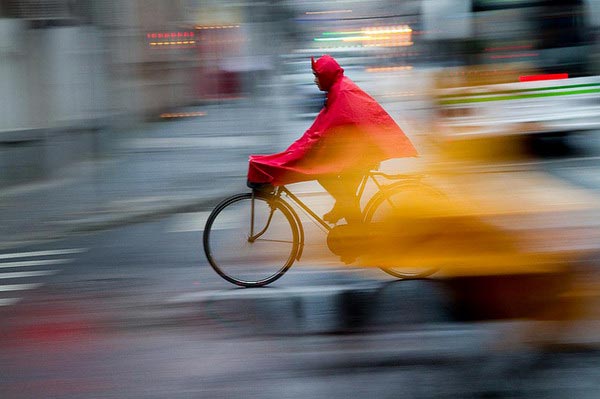
Panning involves moving the camera along with a moving subject during exposure. This keeps the subject relatively sharp while blurring the background, emphasizing speed and direction. It’s commonly used in sports, wildlife, and street photography.
Layering Stillness and Motion
By combining static and moving elements, you can create a sense of contrast and narrative depth. For example, a sharp figure in a crowd of blurred passersby can highlight isolation or focus attention on a protagonist.
Abstract and Experimental Techniques
Intentional camera movement (ICM), zoom bursts, and double exposures are creative ways to use blur for more abstract storytelling. These methods can evoke emotion, mystery, or surrealism. For further exploration, see ideas in motion blur experimental photography.
Common Mistakes and How to Avoid Them
While experimenting with blur, it’s easy to run into issues that can detract from your story. Here are some pitfalls to watch for:
- Unintentional Camera Shake: If the whole image is blurry, it’s likely due to camera movement rather than subject motion. Use a tripod or image stabilization.
- Overexposure: Long exposures can let in too much light, washing out your image. Use neutral density filters or shoot in lower light.
- Lack of Subject Clarity: If everything is blurred, viewers may struggle to find the story. Anchor your scene with at least one sharp element.
Inspiring Examples of Motion Blur in Storytelling
Photographers and filmmakers have long used blur to add drama and emotion to their work. For instance, cityscapes with streaking car lights can suggest the relentless pace of urban life, while blurred dancers can evoke grace and energy. Experimenting with these concepts can help you discover your own narrative style.
Expanding Your Skills with Related Techniques
To further enhance your visual narratives, consider exploring related genres and methods. Urban environments, for example, offer unique opportunities for dynamic scenes. For more on this, visit motion blur urban photography. If you’re interested in minimalist compositions, motion blur minimalism photography can provide inspiration for clean, impactful images.
Camera movement is another area worth mastering. Techniques such as tilting, rotating, or zooming during exposure can create distinctive effects. For a comprehensive overview, see motion blur camera movement ideas.
Expert Insights and Further Reading
Many professionals have shared their experiences and advice on using blur for storytelling. For a deep dive into studio applications, check out this comprehensive guide to mastering motion blur in studio photography. Learning from others’ successes and challenges can help you refine your own approach.
FAQ: Motion Blur Storytelling in Photography
What is the best shutter speed for capturing motion blur?
The ideal shutter speed depends on your subject’s speed and the amount of blur you want. For fast-moving subjects, try 1/30s to 1/60s. For slower movement or more pronounced blur, experiment with 1/10s or longer. Always test and adjust based on your creative goals.
How can I keep my subject sharp while blurring the background?
Use the panning technique: move your camera in sync with your subject during the exposure. This keeps the subject relatively sharp while the background blurs, emphasizing motion and direction.
Are there specific genres where motion blur works best?
Motion blur is effective in many genres, including street, sports, dance, wildlife, and urban photography. It’s also popular in experimental and abstract work. The key is to use it purposefully to enhance your story, regardless of the subject.