

Capturing the pulse of the city with motion blur urban photography is a creative way to showcase movement and energy in urban settings. By intentionally allowing moving subjects to blur, photographers can transform ordinary street scenes into dynamic visual stories. Whether you’re aiming to highlight the rush of traffic, the flow of pedestrians, or the interplay of light and architecture, mastering these techniques opens up a world of expressive possibilities.
This guide explores practical methods for achieving striking motion effects in city environments, from camera settings to composition tips. For those interested in exploring minimalism within this genre, you might also find inspiration in motion blur minimalism photography, which focuses on simplicity and abstraction.
Understanding Motion Blur in City Photography
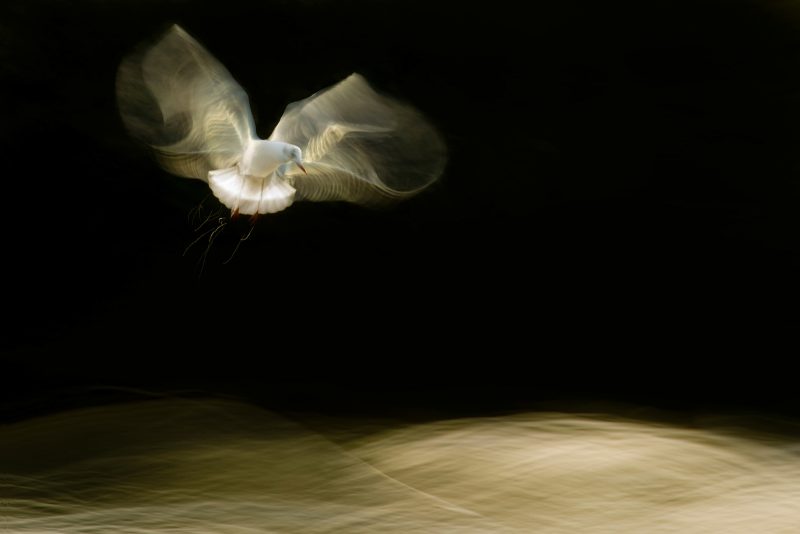
At its core, motion blur urban photography leverages slower shutter speeds to record the movement of subjects within a frame. This technique is especially effective in metropolitan environments, where constant activity provides endless opportunities for creative expression. By allowing elements like vehicles, cyclists, or crowds to streak across the image, you can convey a sense of speed, chaos, or even tranquility, depending on your approach.
The key to success lies in balancing exposure, timing, and composition. Unlike static shots, blurred images require careful planning to avoid unintentional camera shake or overexposure. With practice, you’ll learn to anticipate moments that best illustrate the vibrancy of urban life.
Essential Camera Settings for Capturing Movement
Achieving the desired blur effect starts with the right camera settings. Here are some foundational tips to get you started:
- Shutter Speed: Use slower shutter speeds, typically between 1/10 and several seconds, depending on the speed of your subject. Faster movement requires shorter exposures, while slower subjects can be blurred with longer ones.
- Tripod Use: To keep stationary elements sharp, mount your camera on a tripod. This stabilizes the frame and ensures only moving objects are blurred.
- ISO and Aperture: Lower ISO values reduce noise, while a smaller aperture (higher f-number) helps control exposure during longer shutter times. Adjust these settings to maintain a balanced exposure.
- Manual Focus: Autofocus can struggle in low light or with moving subjects. Switch to manual focus to lock onto a specific point in your scene.
Creative Approaches to Urban Motion Blur
There are several ways to incorporate movement into your city images. Here are a few popular methods:
Light Trails and Night Scenes
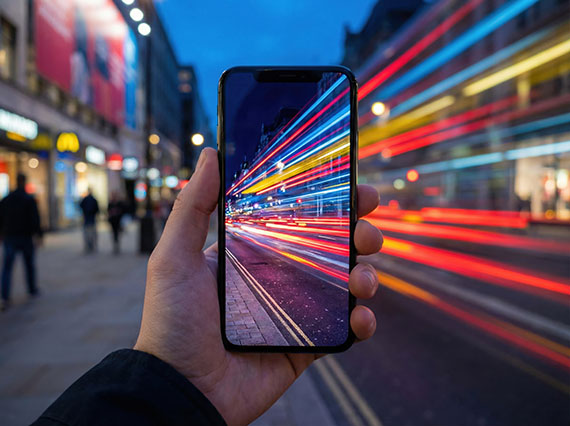
Urban environments come alive at night, making them perfect for capturing light trails from vehicles. Position yourself near busy intersections or highways and use exposures of several seconds to create sweeping lines of light. Experiment with different vantage points to find the most compelling compositions.
Panning for Dynamic Subjects
Panning involves moving your camera in sync with a moving subject, such as a cyclist or car. This keeps the subject relatively sharp while blurring the background, emphasizing speed and direction. Use a moderate shutter speed (around 1/30 to 1/60 second) and practice your timing for the best results.
Blurring Pedestrian Movement
Busy sidewalks and crosswalks offer excellent opportunities for creative blur. By using exposures between 1/4 and 1 second, you can capture the flow of people while keeping architectural elements crisp. This technique highlights the contrast between the static cityscape and the ever-changing human presence.
Tips for Shooting in Challenging Urban Conditions
City photography often involves unpredictable lighting and crowded spaces. Here’s how to adapt:
- Use ND Filters: Neutral density filters reduce the amount of light entering the lens, allowing for longer exposures even during the day.
- Scout Locations: Visit potential spots ahead of time to plan your shots and anticipate movement patterns.
- Be Patient: Wait for the right moment when the scene aligns with your creative vision, whether it’s a rush of traffic or a solitary figure.
- Stay Safe: Always be aware of your surroundings, especially when shooting at night or in busy areas.
Editing and Post-Processing for Maximum Impact
Post-processing can enhance the effects achieved in-camera. Adjust contrast and clarity to make blurred elements stand out, or use selective sharpening to draw attention to key areas. Cropping can also help refine your composition and remove distractions.
For those interested in more advanced techniques, consider exploring motion blur experimental photography for creative inspiration, or learn how to use camera movement intentionally with this motion blur camera movement ideas guide.
Common Mistakes and How to Avoid Them
Even experienced photographers encounter challenges with urban motion blur. Here are some frequent pitfalls and solutions:
- Unintentional Camera Shake: Always use a tripod or stabilize your camera to keep static elements sharp.
- Overexposed Images: Monitor your histogram and use ND filters or smaller apertures to prevent blown highlights.
- Unfocused Subjects: Pre-focus on a specific point or use manual focus to ensure clarity where needed.
- Ignoring Image Stabilization: Learn whether to enable or disable stabilization for your setup by reading about motion blur image stabilization on or off.
Learning from the Experts
For further reading and inspiration, explore detailed guides on how to master motion blur in photography. These resources offer in-depth advice, examples, and step-by-step instructions to help you refine your skills.
Frequently Asked Questions
What is the best shutter speed for motion blur in urban scenes?
The ideal shutter speed depends on the speed of your subject and the desired effect. For fast-moving vehicles, try 1/10 to 1 second. For pedestrians, 1/4 to 1 second often works well. Experiment with different settings to find what suits your creative intent.
Can I create motion blur images with a smartphone?
Yes, many modern smartphones have manual or “pro” modes that allow you to adjust shutter speed. Use a tripod or stable surface, select a slower shutter, and experiment with moving subjects for creative results.
How do I keep part of the image sharp while blurring the rest?
Use a tripod to stabilize your camera and focus on a stationary element in the frame. Moving subjects will blur while the focused area remains sharp, creating a striking contrast between motion and stillness.