
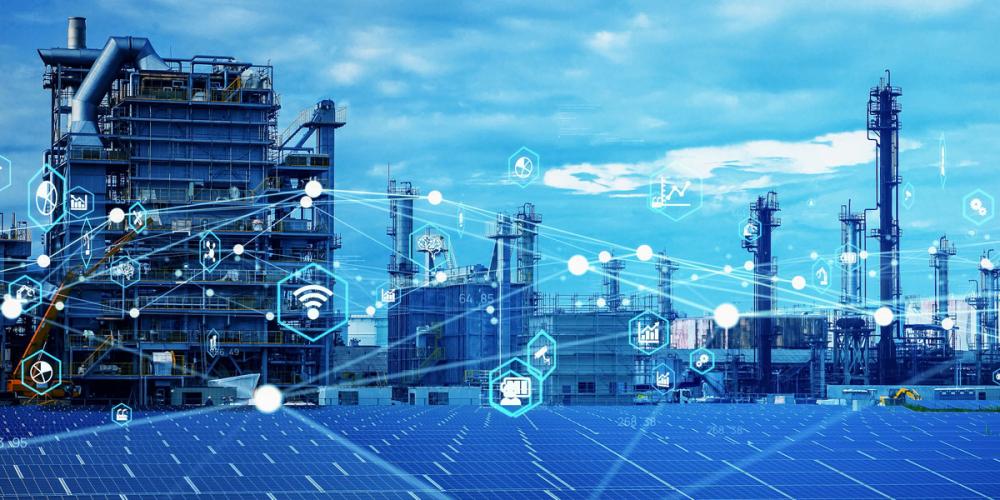
Modern manufacturing is undergoing a significant transformation, driven by the need for greater efficiency, transparency, and responsiveness. One of the most impactful advancements is real-time factory monitoring. This approach leverages digital technologies to provide instant visibility into production processes, equipment status, and operational performance. By continuously collecting and analyzing data from machines, sensors, and systems, manufacturers can make informed decisions, reduce downtime, and optimize productivity.
Understanding the fundamentals of live monitoring in factories is essential for any organization aiming to stay competitive in today’s fast-paced industrial landscape. Before diving into the core benefits and implementation steps, it’s helpful to explore related concepts such as introduction to factory edge computing, which plays a key role in enabling seamless data flow and analysis on the shop floor.
Defining Real-Time Monitoring in Manufacturing
At its core, real-time factory monitoring refers to the continuous collection and analysis of data from production assets, processes, and environments as events happen. This is achieved through a network of connected sensors, industrial IoT devices, and software platforms that capture information such as machine status, temperature, vibration, energy usage, and production counts.
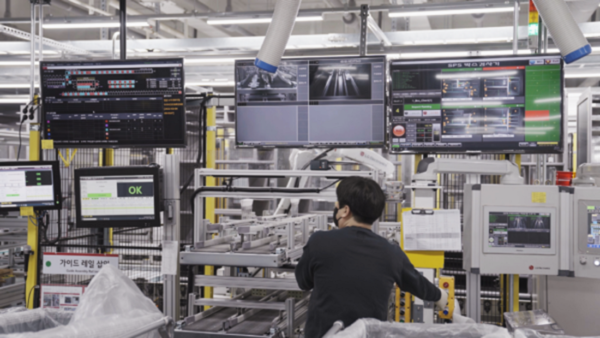
Unlike traditional methods that rely on periodic manual checks or delayed reporting, live monitoring systems provide up-to-the-second insights. Operators and managers can view dashboards, receive alerts, and access analytics that reflect the current state of the factory floor. This enables immediate responses to issues, better resource allocation, and proactive maintenance.
Key Components of a Live Factory Monitoring System
Implementing a robust monitoring solution involves several essential elements:
- Sensors and IoT Devices: These capture real-world data from machines, conveyors, and environmental conditions.
- Connectivity: Secure, reliable networks (wired or wireless) transmit data from the shop floor to central systems.
- Edge Computing: Local processing units analyze data near the source, reducing latency and bandwidth needs.
- Centralized Software Platforms: These aggregate, visualize, and analyze incoming data for actionable insights.
- Integration with Existing Systems: Seamless connection to MES, ERP, and automation platforms ensures a holistic view.
For a deeper dive into how these technologies work together, the smart factory overview by SAP provides a comprehensive explanation of digital transformation in manufacturing.
Why Real-Time Insights Matter for Manufacturers
The value of continuous monitoring extends far beyond simple data collection. Here are some of the most significant advantages:
- Reduced Downtime: By immediately detecting anomalies or equipment failures, teams can respond quickly, minimizing costly interruptions.
- Improved Quality Control: Real-time data helps identify process deviations, enabling corrective actions before defects multiply.
- Enhanced Productivity: Visibility into bottlenecks and inefficiencies allows for rapid adjustments and better scheduling.
- Predictive Maintenance: Monitoring machine health indicators supports proactive servicing, extending asset lifespan and reducing unplanned repairs.
- Data-Driven Decision Making: Managers can base operational choices on accurate, current information rather than assumptions or outdated reports.
Manufacturers who embrace these capabilities often see measurable improvements in output, cost savings, and customer satisfaction. Integrating such systems with broader automation strategies, as discussed in understanding factory automation systems, further amplifies these benefits.
How Real-Time Factory Monitoring Works in Practice
The process begins with deploying sensors and IoT devices across the production line. These devices continuously gather data on parameters like machine speed, temperature, vibration, and energy consumption. The information is transmitted—often via edge computing nodes—to a central platform where it is aggregated and analyzed.
Operators and managers access intuitive dashboards that display live metrics, historical trends, and alerts. If a machine begins to overheat or a process drifts out of specification, the system can automatically notify relevant personnel or even trigger automated responses. This closed feedback loop ensures that issues are addressed before they escalate, supporting both operational excellence and safety.

Challenges and Considerations When Adopting Live Monitoring
While the advantages are clear, implementing a real-time monitoring system comes with its own set of challenges:
- Integration Complexity: Connecting new sensors and software to legacy equipment may require custom solutions or upgrades.
- Data Security: Protecting sensitive operational data from cyber threats is critical. Following factory cybersecurity best practices is essential for safe deployment.
- Change Management: Employees may need training and support to adapt to new workflows and technologies.
- Scalability: Solutions should be designed to grow with the business, accommodating additional lines, sites, or data sources.
- Cost: Initial investment in hardware, software, and integration can be significant, but is often offset by long-term gains.
Addressing these considerations early in the planning process helps ensure a successful transition and maximizes return on investment.
Steps to Implement a Real-Time Monitoring Solution
For organizations ready to embrace live data collection and analysis, a structured approach is recommended:
- Assess Current State: Identify key assets, processes, and pain points that would benefit from greater visibility.
- Define Objectives: Set clear goals for what you want to achieve—such as reducing downtime, improving quality, or enabling predictive maintenance.
- Select Technology: Choose sensors, connectivity solutions, and software platforms that align with your needs and existing infrastructure.
- Pilot and Integrate: Start with a small-scale deployment to validate performance, then expand and integrate with other systems.
- Train Teams: Provide training and support to ensure staff can use new tools effectively.
- Monitor and Optimize: Continuously review system performance and refine processes based on data-driven insights.
Leveraging advanced analytics and machine learning, as outlined in how machine learning optimizes production, can further enhance the impact of your monitoring strategy.
Frequently Asked Questions
How does real-time monitoring differ from traditional factory reporting?
Traditional reporting often relies on manual data collection and periodic updates, which can introduce delays and inaccuracies. In contrast, real-time monitoring provides continuous, automated data streams, enabling instant visibility and faster response to issues.
What types of data can be tracked in a live factory monitoring system?
Common data points include machine status, production counts, energy consumption, temperature, vibration, humidity, and process parameters. The specific metrics depend on the industry and the goals of the monitoring initiative.
Is it possible to integrate real-time monitoring with existing factory systems?
Yes, most modern solutions are designed to connect with existing MES, ERP, and automation platforms. Integration may require middleware or custom interfaces, but it enables a unified view of operations and maximizes the value of collected data.
Conclusion
Embracing real-time factory monitoring empowers manufacturers to operate with greater agility, efficiency, and confidence. By harnessing live data and actionable insights, organizations can reduce downtime, improve product quality, and make smarter decisions. As digital transformation accelerates, investing in these capabilities is becoming a necessity rather than a luxury for forward-thinking manufacturers.
For those looking to further modernize their operations, exploring topics like how cloud computing helps factories can provide additional strategies for building a smarter, more connected production environment.