
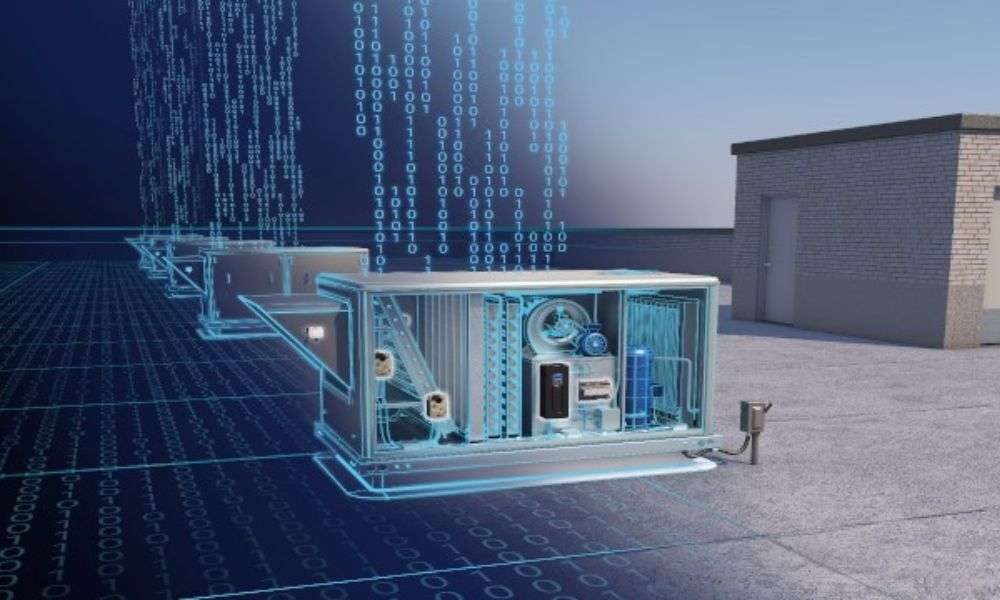
In today’s rapidly advancing technological world, AI diagnostics for Energy Star HVAC systems are becoming a game-changer in the energy sector. With a focus on sustainability and efficiency, these systems are designed to optimize heating, ventilation, and air conditioning processes, ensuring minimal energy wastage and maximum comfort for users.

Understanding AI Diagnostics in HVAC Systems
AI diagnostics involve the use of artificial intelligence to analyze and interpret data from HVAC systems. This technology helps in identifying inefficiencies, predicting potential failures, and suggesting maintenance actions. By doing so, it significantly enhances the performance and longevity of HVAC systems.
What Makes Energy Star HVAC Systems Stand Out?
Energy Star HVAC systems are renowned for their energy efficiency. They meet strict guidelines set by the U.S. Environmental Protection Agency, ensuring reduced energy consumption without compromising on performance. Incorporating AI diagnostics into these systems takes their efficiency to the next level.
The Role of AI in Enhancing Energy Efficiency
AI plays a crucial role in enhancing the energy efficiency of HVAC systems. By continuously monitoring system performance, AI can identify patterns and anomalies that may indicate inefficiencies. This proactive approach allows for timely interventions, reducing energy wastage and lowering operational costs.
Predictive Maintenance: A Key Benefit
One of the significant advantages of AI diagnostics is predictive maintenance. By analyzing historical data and current system conditions, AI can predict when a component is likely to fail. This allows for timely maintenance, preventing unexpected breakdowns and extending the system’s lifespan. For more on AI-powered maintenance, you can visit Refrigerant Level Detection.
Improving Indoor Air Quality with AI
Indoor air quality is a critical aspect of HVAC systems. AI diagnostics help in maintaining optimal air quality by monitoring pollutants and adjusting ventilation accordingly. This ensures a healthy indoor environment while maintaining energy efficiency.
AI and Intelligent Load Forecasting
Another area where AI excels is in intelligent load forecasting. By predicting the heating and cooling demands of a building, AI can adjust system operations to meet these needs efficiently. This not only improves comfort but also reduces energy consumption. Learn more about this at Intelligent Load Forecasting.
Challenges and Solutions in AI Diagnostics for HVAC
While the benefits are clear, implementing AI diagnostics in HVAC systems does come with challenges. These include the need for significant initial investment, data privacy concerns, and the requirement for skilled personnel to manage the systems. However, the long-term benefits of reduced energy costs and improved system performance often outweigh these challenges.
Overcoming Implementation Challenges
To overcome these challenges, companies can start by investing in scalable AI solutions that grow with their needs. Additionally, training programs can equip staff with the necessary skills to manage and interpret AI diagnostics effectively.
Data Privacy and Security
Data privacy is a significant concern in AI diagnostics. Ensuring that data is securely stored and managed is crucial. Implementing robust security measures can help protect sensitive information and maintain user trust.
The Future of AI Diagnostics in HVAC Systems
The future of AI diagnostics in HVAC systems looks promising. As technology continues to evolve, we can expect even more advanced solutions that offer greater efficiency and sustainability. The integration of AI with IoT (Internet of Things) devices is likely to further enhance system capabilities, providing real-time insights and automated decision-making.
Adapting to Changing Energy Needs
As energy needs continue to evolve, HVAC systems must adapt to meet these demands. AI diagnostics offer the flexibility and adaptability required to handle these changes, ensuring systems remain efficient and effective.
Conclusion
In conclusion, AI diagnostics for Energy Star HVAC systems represent a significant step forward in the quest for energy efficiency and sustainability. By harnessing the power of AI, these systems can deliver superior performance, lower energy costs, and a healthier indoor environment. As we move towards a more sustainable future, the role of AI in HVAC systems will undoubtedly become increasingly important.

FAQ
What are AI diagnostics in HVAC systems?
AI diagnostics involve using artificial intelligence to analyze data from HVAC systems, identifying inefficiencies, predicting failures, and suggesting maintenance actions.
How do Energy Star HVAC systems benefit from AI?
Energy Star HVAC systems benefit from AI by enhancing their energy efficiency, improving performance, and enabling predictive maintenance.
What are the challenges of implementing AI diagnostics in HVAC?
Challenges include significant initial investment, data privacy concerns, and the need for skilled personnel. However, these can be overcome with scalable solutions and training programs.
For further insights on AI’s impact on HVAC systems, you can explore this article.
This article contains affiliate links. We may earn a commission at no extra cost to you.