
Capturing the sensation of speed and movement in photography often comes down to mastering the panning technique motion blur. This approach allows photographers to freeze a moving subject while creating a dynamic, blurred background, emphasizing motion and energy in a single frame. Whether you’re photographing cars racing by, cyclists on the street, or animals in action, understanding how to use panning effectively can elevate your images and add a sense of drama that static shots simply can’t match.
In this article, you’ll learn the fundamentals of panning, how to set up your camera for the best results, and practical tips for refining your skills. If you’re looking for creative inspiration, you might also enjoy browsing through motion blur composition examples to see how other photographers use these techniques in their work.

Understanding the Art of Panning for Motion Blur
At its core, the panning method involves moving your camera horizontally in sync with a moving subject. By using a slower shutter speed and tracking the subject’s movement, you keep the subject relatively sharp while the background blurs into streaks of color and light. This technique is especially popular in sports, wildlife, and street photography, where conveying movement is essential.
The challenge lies in matching your camera’s movement with the speed and direction of your subject. Too fast or too slow, and you risk losing sharpness or not achieving the desired blur. With practice, panning becomes a reliable way to inject energy and storytelling into your images.
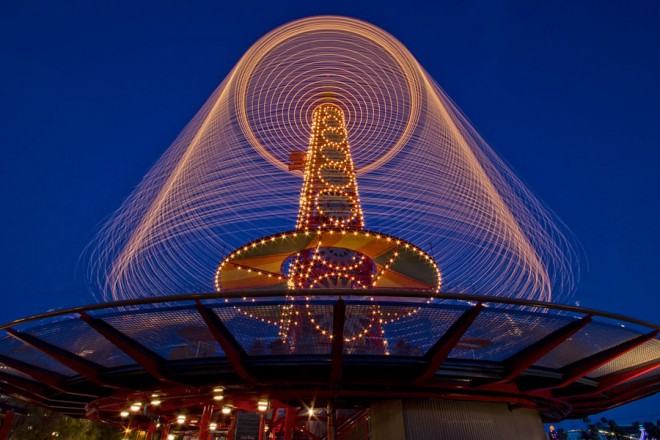
Essential Camera Settings for Panning Motion Blur
Achieving a successful panning technique motion blur effect starts with the right camera settings. Here are the key elements to consider:
- Shutter Speed: Use a slower shutter speed, typically between 1/15 and 1/125 of a second. The exact speed depends on how fast your subject is moving and the amount of blur you want in the background.
- Focus Mode: Switch to continuous autofocus (AI Servo for Canon, AF-C for Nikon/Sony) to keep your subject sharp as it moves.
- Drive Mode: Set your camera to burst or continuous shooting mode. This increases your chances of capturing a perfectly sharp subject during the pan.
- Stabilization: If your lens has image stabilization, use the panning mode (often labeled as “Mode 2”) to help reduce vertical shake while allowing horizontal movement.
- Aperture and ISO: Adjust these settings to maintain proper exposure, especially in varying light conditions. A smaller aperture (higher f-number) can help keep more of your subject in focus.
For those just starting out, it can be helpful to review a motion blur settings for beginners guide to get comfortable with these adjustments and understand how each impacts your final image.
Step-by-Step Guide to Capturing Dynamic Movement
- Choose Your Subject: Look for subjects moving at a consistent speed and direction, such as runners, cars, or cyclists.
- Position Yourself: Stand parallel to the subject’s path. This makes it easier to track their movement smoothly.
- Set Your Camera: Use manual or shutter priority mode to control shutter speed. Pre-focus on the area where you’ll start tracking the subject.
- Start Panning: As your subject approaches, begin moving your camera in sync with their motion. Keep your movement steady and fluid.
- Press the Shutter: Continue to pan as you press the shutter and follow through after the shot. This helps maintain the blur effect and reduces camera shake.
- Review and Adjust: Check your results and tweak your settings or timing as needed. It may take several attempts to get the perfect balance of sharpness and blur.
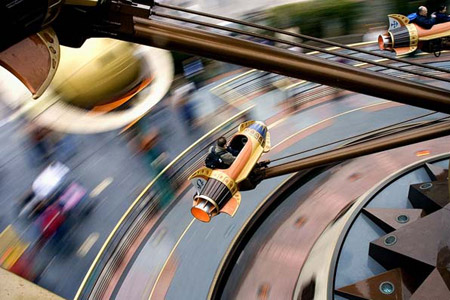
Common Challenges and How to Overcome Them
Even experienced photographers face challenges when working with motion blur using panning. Here are some frequent issues and practical solutions:
- Unsharp Subjects: If your subject is blurry, try increasing your shutter speed slightly or improving your panning technique for smoother tracking.
- Not Enough Blur: If the background isn’t blurred enough, slow down your shutter speed. Experiment in small increments to find the sweet spot.
- Camera Shake: Use a monopod or tripod with a rotating head for added stability, or practice keeping your elbows close to your body to minimize shake.
- Inconsistent Results: Take multiple shots in burst mode. The more you practice, the more consistent your results will become.
For more advanced tips and creative ideas, check out a motion blur cinematic photography guide to see how professionals push the boundaries of this technique.
Creative Applications and Inspiration
The panning approach isn’t limited to sports or action photography. It can be used in a variety of genres to add a sense of movement and excitement. Street photographers often use it to capture the hustle of city life, while wildlife photographers rely on it to convey the speed of animals in their natural habitats. Even in creative portraiture, a subtle background blur can make a subject stand out in a unique way.
Reviewing motion blur before and after examples is a great way to see how subtle changes in technique can dramatically alter the mood and impact of an image.
For a deeper dive into the technical and artistic aspects, consider reading this comprehensive guide to motion blur photography, which covers a range of approaches and creative uses.
Tips for Improving Your Panning Skills
- Practice Regularly: Consistency is key. Try photographing different subjects at various speeds to refine your timing and technique.
- Use Landmarks: Pick a spot in the background to help keep your pan level and steady.
- Experiment with Angles: While side-on shots are classic, try panning at slight angles for a more dynamic composition.
- Adjust Your Stance: Stand with your feet shoulder-width apart and pivot from your waist for smoother movement.
- Review and Analyze: After each session, study your images to identify what worked and where you can improve.
For those interested in sharing their results online, motion blur Instagram photography tips can help you present your work in the most engaging way possible.
Frequently Asked Questions
What shutter speed should I use for panning motion blur?
The ideal shutter speed depends on your subject’s speed and the effect you want. Generally, speeds between 1/15 and 1/125 of a second work well. Faster subjects may require quicker shutter speeds, while slower ones allow for longer exposures. Experiment to find the balance that delivers a sharp subject with a pleasing background blur.
Do I need special equipment for panning photography?
No special equipment is required, but a camera with manual settings and a lens with image stabilization can help. A monopod or tripod with a rotating head can provide extra stability, especially for longer sessions or heavier gear.
How can I improve my success rate with panning shots?
Practice is essential. Use burst mode to increase your chances of capturing a sharp image, and focus on smooth, consistent camera movement. Reviewing your shots and adjusting your technique over time will lead to better results.