

In the fast-evolving world of technology, Cloud AI for HVAC Contractors is emerging as a game-changer. With HVAC systems becoming more complex and customers demanding increased efficiency and sustainability, the integration of cloud-based artificial intelligence (AI) into HVAC operations offers promising solutions. This article delves into how this technology is transforming the HVAC industry and why contractors should consider its adoption.
Understanding Cloud AI in HVAC
Cloud AI refers to the use of artificial intelligence technologies hosted on remote servers to analyze, manage, and optimize HVAC systems. By leveraging cloud computing, HVAC contractors can access powerful AI tools without the need for extensive on-premise infrastructure. This technology enables real-time data analysis, predictive maintenance, and improved system efficiencies.
Benefits of Cloud AI for HVAC Contractors
1. Enhanced Operational Efficiency
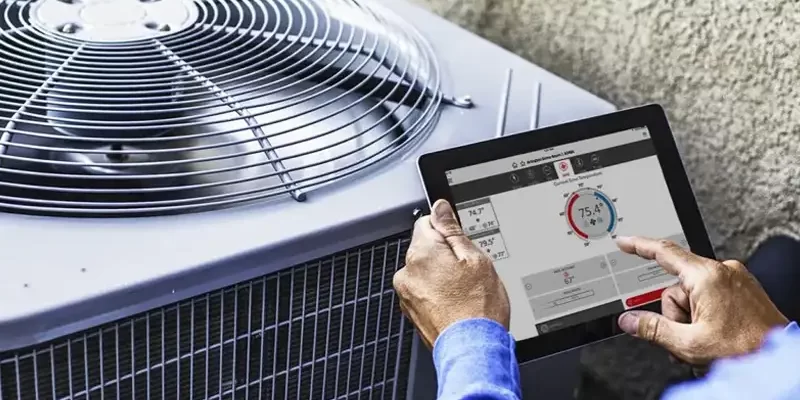
Cloud AI significantly enhances operational efficiency by automating routine tasks and providing actionable insights. Contractors can monitor system performance in real-time, predict potential failures, and optimize energy consumption, leading to reduced operational costs and improved service delivery.
2. Predictive Maintenance
One of the most significant advantages of Cloud AI is its ability to facilitate predictive maintenance. By analyzing historical and real-time data, AI algorithms can predict when a component is likely to fail, allowing contractors to perform maintenance before issues arise. This minimizes downtime and extends the lifespan of HVAC systems.
3. Improved Energy Efficiency
Energy efficiency is a critical concern for HVAC systems. Cloud AI analyzes usage patterns and environmental conditions to optimize system operation for maximum energy savings. This not only reduces energy bills for customers but also contributes to environmental sustainability. For more insights on energy optimization, explore HVAC energy usage patterns analyzed by AI.
Integration of AI in HVAC Tools
The integration of AI into HVAC tools is revolutionizing the way technicians operate. AI-powered diagnostic tools and software provide technicians with precise information, enabling quicker and more accurate repairs. To learn about specific tools, visit HVAC technician tools using AI.
Challenges and Considerations
While the benefits of Cloud AI are substantial, HVAC contractors must consider several challenges. Data security and privacy are paramount, as contractors handle sensitive client information. Additionally, the initial investment in AI technology and training staff can be significant. However, the long-term benefits often outweigh these initial costs.
Case Studies: Success Stories
Several HVAC companies have successfully implemented Cloud AI, witnessing remarkable improvements in efficiency and customer satisfaction. For example, a leading HVAC service provider integrated AI to automate decision-making processes, resulting in a 30% reduction in service times. Explore more about automated decision-making in HVAC repair.
The Future of HVAC with Cloud AI
The future of HVAC lies in the continuous advancement of Cloud AI technologies. As AI algorithms become more sophisticated, HVAC systems will become increasingly autonomous, self-correcting, and efficient. Contractors who embrace these technologies will be well-positioned to lead the industry.
Conclusion
Cloud AI for HVAC Contractors is not just a trend but a necessity for those looking to stay competitive. By leveraging AI, contractors can enhance service quality, reduce costs, and improve customer satisfaction. The journey towards AI integration may come with challenges, but the rewards are substantial.
FAQs
1. What is Cloud AI in HVAC?
Cloud AI refers to the use of AI technologies hosted on remote servers to optimize HVAC systems. It enables real-time data analysis and predictive maintenance without extensive on-premise infrastructure.
2. How does Cloud AI improve energy efficiency?
Cloud AI analyzes usage patterns and environmental conditions to optimize HVAC system operations, resulting in reduced energy consumption and costs.
3. Are there challenges to adopting Cloud AI in HVAC?
Yes, challenges include data security, initial investment costs, and the need for staff training. However, the long-term benefits often outweigh these challenges.
For further reading on AI’s impact on the HVAC industry, consider this external resource: How AI is Transforming the HVAC Industry.
This article contains affiliate links. We may earn a commission at no extra cost to you.