
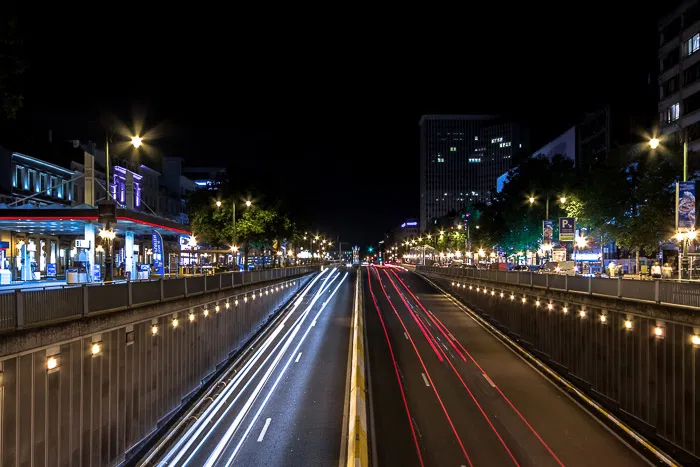
Capturing motion blur in photography is a creative way to convey movement, energy, and emotion in your images. Whether you are interested in light trails, flowing water, or dynamic street scenes, choosing the right equipment is essential for achieving professional-looking results. This guide provides practical advice on selecting the best tools for motion blur photography, including cameras, lenses, tripods, and accessories. You’ll also find tips on maximizing your gear’s potential and links to further resources for creative inspiration.
For those looking to explore new artistic directions, consider reading about motion blur storytelling techniques to complement your technical setup and enhance your narrative skills.
Essential Camera Bodies for Motion Blur Effects
The foundation of any motion blur setup is a camera that offers manual control over shutter speed, ISO, and aperture. While most modern digital cameras can achieve motion blur, some features make certain models better suited for this style:
- Manual Exposure Modes: Look for cameras with full manual (M), shutter priority (S or Tv), and bulb modes to control exposure times.
- Low ISO Performance: Good noise handling at low ISO allows for longer exposures without excessive grain.
- Remote Shutter Compatibility: Support for wired or wireless remotes helps prevent camera shake during long exposures.
- Sturdy Build: Weather-sealed bodies are ideal for outdoor shoots, especially in unpredictable conditions.
Both DSLRs and mirrorless cameras from brands like Canon, Nikon, Sony, and Fujifilm offer excellent choices. For those on a budget, even entry-level models can produce impressive results if paired with the right accessories.
Lens Choices for Creative Motion Blur Photography
Selecting the right lens can dramatically influence the look and feel of your motion blur images. Here are some key considerations:
- Wide-Angle Lenses: These are perfect for capturing expansive scenes with light trails or moving crowds. A focal length between 14mm and 35mm works well for landscapes and urban environments.
- Standard Zooms: Versatile and practical, standard zooms (24-70mm) allow you to frame your subject precisely while maintaining flexibility.
- Prime Lenses: Fast primes (such as 35mm f/1.8 or 50mm f/1.4) offer sharpness and low-light performance, enabling creative effects even at dusk or indoors.
- Telephoto Lenses: For isolating moving subjects or compressing perspective, telephoto options (70-200mm) are ideal.
When choosing a lens, prioritize models with manual focus rings and robust build quality. A lens with image stabilization can help, but for longer exposures, a tripod is still essential.

Tripods and Stabilization Tools for Sharp Motion Blur Shots
Stability is crucial when working with slow shutter speeds. Even the slightest movement can ruin an otherwise perfect shot. Here’s what to look for in support gear:
- Sturdy Tripods: Choose a tripod with a solid build and adjustable legs for uneven terrain. Carbon fiber models are lightweight yet stable, making them ideal for travel.
- Ball Heads: A quality ball head allows for quick adjustments and secure locking, essential for precise framing.
- Remote Shutter Releases: Wired or wireless remotes eliminate the need to touch the camera, reducing the risk of vibration during exposure.
- Sandbags or Weights: Adding weight to your tripod increases stability, especially in windy conditions.
For handheld motion blur, consider using image-stabilized lenses or in-body stabilization features, but remember that longer exposures almost always require a tripod for the sharpest results.
Filters and Accessories for Enhancing Motion Blur Images
Certain accessories can help you achieve more dramatic or controlled motion blur effects:
- Neutral Density (ND) Filters: These reduce the amount of light entering the lens, allowing for longer exposures even in bright daylight. ND filters come in various strengths, from 3-stop to 10-stop and beyond.
- Polarizing Filters: While primarily used to reduce reflections, polarizers can also slightly extend exposure times and enhance color saturation.
- Lens Hoods: Prevent unwanted flare and protect your lens during outdoor shoots.
- Cleaning Kits: Dust or smudges can ruin long exposures, so keep your gear clean with microfiber cloths and lens pens.
Experimenting with different filter strengths and combinations can open up new creative possibilities, especially when photographing waterfalls, rivers, or city lights.

Specialized Gear for Advanced Motion Blur Techniques
Once you have mastered the basics, consider adding specialized tools to your kit for more advanced effects:
- Intervalometers: Useful for time-lapse sequences or exposures longer than 30 seconds, intervalometers automate shutter release timing.
- Light Painting Tools: LED wands, fiber optics, and programmable lights can be used to create intricate light trails and patterns in your images.
- Gimbals and Sliders: For video or panning shots, stabilization gear like gimbals and motorized sliders help maintain smooth motion blur effects.
For more creative ideas, you might be interested in exploring motion blur creative lighting or motion blur experimental photography to expand your artistic toolkit.
Tips for Getting the Most Out of Your Motion Blur Equipment
Even with the best gear, technique plays a significant role in achieving striking motion blur photos. Here are some practical tips:
- Use Manual Focus: Autofocus can struggle in low light or with moving subjects. Pre-focus on your subject and switch to manual mode for consistency.
- Plan Your Exposure: Start with a low ISO (100–400), a small aperture (f/8–f/16), and adjust your shutter speed based on the desired blur effect.
- Bracket Your Shots: Take multiple exposures at different settings to ensure you capture the best possible image.
- Scout Locations: Look for scenes with dynamic movement—busy streets, flowing water, or passing vehicles are all excellent subjects.
- Review and Adjust: Use your camera’s LCD to check exposure and composition, making adjustments as needed.
For a comprehensive overview of motion blur techniques, see this in-depth guide to mastering motion blur photography.
Frequently Asked Questions
What is the most important camera setting for motion blur photography?
The key setting is shutter speed. Slower shutter speeds (such as 1/10 second or several seconds) allow moving subjects to blur across the frame, creating the desired effect. Adjust ISO and aperture to achieve proper exposure while maintaining the slow shutter speed.
Do I need expensive gear to capture motion blur?
While high-end equipment can offer more control and better image quality, you can achieve excellent results with entry-level cameras and lenses. The most critical factors are manual exposure control and a stable tripod. Accessories like ND filters can further expand your creative options.
How can I reduce camera shake during long exposures?
Use a sturdy tripod and a remote shutter release or your camera’s self-timer function to avoid touching the camera during the exposure. Adding weight to your tripod and enabling mirror lock-up (if available) can also help minimize vibrations.
Conclusion
Choosing the right gear for motion blur photography involves balancing technical requirements with creative goals. By investing in a camera with manual controls, versatile lenses, stable support, and the right accessories, you’ll be well-equipped to experiment with a wide range of dynamic effects. For further inspiration and advanced ideas, explore topics like motion blur urban photography or motion blur minimalism photography. With the right tools and techniques, you can capture images that truly convey the energy and movement of your subject.