

Modern manufacturing is experiencing a transformation driven by automation and digital technologies. Among these innovations, smart conveyor systems have emerged as a key solution for boosting operational performance. By integrating sensors, data analytics, and connectivity, these advanced conveyors are reshaping how factories move materials, manage workflow, and respond to real-time demands.
In this article, we’ll explore the practical ways intelligent conveyor solutions enhance productivity, reduce downtime, and support scalable production. If you’re interested in optimizing your facility’s workflow, understanding the benefits of these systems is essential. For those looking to deepen their knowledge of motion and automation, you might also find value in resources like motion blur settings for beginners, which covers foundational concepts relevant to automated movement and control.
Key Features of Intelligent Conveyor Systems
The latest generation of conveyor technology goes far beyond simple material transport. These systems are equipped with a range of features that directly contribute to improving production efficiency:
- Embedded Sensors: Real-time monitoring of load, speed, and operational status enables predictive maintenance and immediate response to issues.
- Automated Routing: Smart conveyors can dynamically adjust paths based on workflow needs, reducing bottlenecks and manual intervention.
- Data Integration: Seamless communication with manufacturing execution systems (MES) and enterprise resource planning (ERP) platforms ensures synchronized operations.
- Energy Optimization: Variable speed drives and intelligent controls help minimize power consumption during low-demand periods.
- Remote Diagnostics: Maintenance teams can access system data remotely, allowing for faster troubleshooting and reduced downtime.
How Automated Conveyors Enhance Production Workflows
The impact of smart conveyor technology is most evident in the way it streamlines production processes. Here are several ways these systems drive measurable improvements:
Reducing Downtime and Maintenance Costs
Traditional conveyors often require scheduled inspections and reactive repairs, which can halt production unexpectedly. By contrast, smart systems use sensor data to predict wear and alert teams before failures occur. This proactive approach means fewer stoppages and lower maintenance expenses.
Increasing Throughput and Flexibility
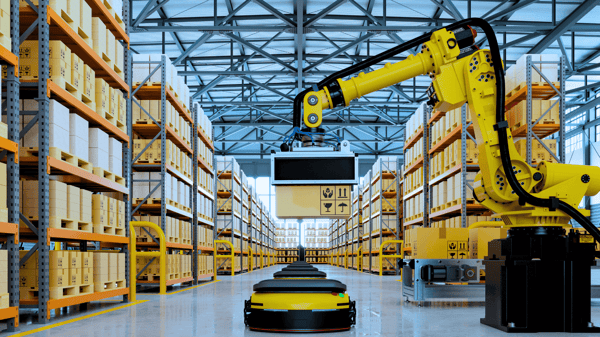
Intelligent conveyors can adapt to changing production requirements on the fly. For example, if a particular assembly line needs more components, the system can reroute materials automatically. This flexibility supports just-in-time manufacturing and rapid product changeovers.
Real-Time Data for Continuous Improvement
Access to live performance metrics allows managers to identify inefficiencies and make informed decisions. Over time, analyzing this data leads to process refinements and higher overall productivity.
Integrating Smart Conveyors with Digital Factories
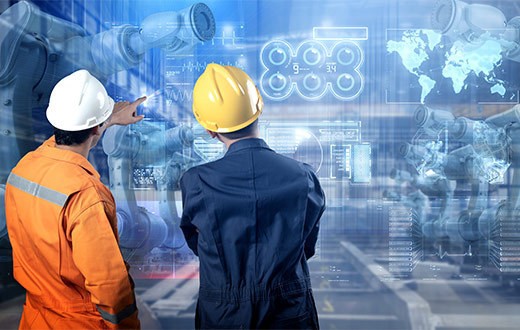
The concept of the digital factory relies on interconnected systems that share information and automate decision-making. Smart conveyors are a foundational element in this environment, enabling seamless material flow and supporting advanced manufacturing strategies.
For a deeper understanding of how digitalization is shaping modern manufacturing, resources like an introduction to smart factory principles explain the broader context in which these conveyors operate.
Benefits of Implementing Advanced Conveyor Solutions
Companies adopting these technologies report a range of tangible benefits. Here are some of the most significant outcomes:
- Higher Uptime: Predictive maintenance and automated alerts keep production lines running smoothly.
- Labor Optimization: Automation reduces manual handling, freeing staff for higher-value tasks.
- Consistent Quality: Automated material handling minimizes errors and ensures uniformity in production.
- Scalability: Modular conveyor designs can be expanded or reconfigured as business needs evolve.
- Resource Efficiency: Smart energy management and optimized routing lower operational costs.
Challenges and Considerations for Adoption
While the advantages are clear, transitioning to intelligent conveyor systems requires careful planning. Key considerations include:
- Upfront Investment: Advanced systems may require higher initial costs, but these are often offset by long-term savings.
- Integration Complexity: Ensuring compatibility with existing infrastructure and software is essential for a smooth rollout.
- Training Needs: Staff must be trained to operate and maintain new technologies effectively.
- Cybersecurity: Connected equipment must be protected against digital threats to safeguard sensitive production data.
Addressing these challenges with a strategic approach ensures that the transition delivers maximum value. For those interested in the visual and technical aspects of motion in automation, exploring motion blur composition examples can provide further insights into movement optimization.
FAQ: Smart Conveyor Systems and Production Optimization
What makes a conveyor system “smart” compared to traditional models?
A smart conveyor incorporates sensors, connectivity, and automated controls to monitor and adjust its operation in real time. Unlike conventional conveyors, these systems can self-diagnose issues, optimize energy use, and adapt to changing production requirements without manual intervention.
How do intelligent conveyors contribute to reducing downtime?
By continuously monitoring their own performance, smart conveyors can predict when maintenance is needed and alert technicians before a breakdown occurs. This proactive approach minimizes unexpected stoppages and keeps production lines running efficiently.
Can smart conveyor technology be integrated into existing factories?
Yes, many modern conveyor solutions are designed for modular integration. They can often be retrofitted to existing lines, provided there is compatibility with current control systems and space for installation. Proper planning and consultation with vendors are key to successful implementation.