

As industries move toward digital transformation, the importance of machine learning in predictive maintenance has become increasingly clear. Traditional maintenance strategies, such as reactive or scheduled servicing, often lead to unnecessary downtime, increased costs, and reduced equipment lifespan. By leveraging advanced algorithms and data-driven insights, organizations can anticipate failures before they occur, optimize maintenance schedules, and improve overall operational efficiency.
In this article, we’ll explore how intelligent systems are revolutionizing maintenance in manufacturing and industrial environments. We’ll also highlight the key benefits, practical applications, and future trends shaping this field. For those interested in related topics, you may also want to review our motion blur composition examples for inspiration in industrial imaging.
How Predictive Maintenance Has Evolved with Machine Learning
Maintenance strategies have evolved significantly over the years. Initially, most organizations relied on reactive maintenance—fixing equipment only after it failed. This approach often resulted in unexpected breakdowns and costly repairs. Preventive maintenance, which schedules repairs at regular intervals, improved reliability but still led to unnecessary part replacements and labor costs.
The introduction of machine learning for predictive maintenance marked a major shift. By analyzing real-time sensor data, historical records, and environmental conditions, machine learning models can detect subtle patterns and anomalies that signal impending equipment issues. This enables maintenance teams to intervene only when necessary, reducing both downtime and expenses.
Key Benefits of Intelligent Maintenance Systems
Implementing data-driven maintenance strategies offers a range of advantages for modern industries:
- Reduced Unplanned Downtime: Predictive algorithms identify early warning signs, allowing teams to address issues before they escalate into major failures.
- Cost Savings: By targeting maintenance activities based on actual equipment condition, organizations avoid unnecessary part replacements and labor.
- Extended Asset Lifespan: Early detection of wear and tear helps prevent catastrophic failures, prolonging the useful life of machinery.
- Improved Safety: Proactive maintenance reduces the risk of accidents caused by unexpected equipment breakdowns.
- Optimized Resource Allocation: Maintenance teams can prioritize tasks more effectively, focusing on assets that truly need attention.

Applications Across Industrial Sectors
The adoption of predictive analytics powered by machine learning is transforming a variety of sectors:
- Manufacturing: Factories use real-time monitoring to predict failures in assembly lines, robotic arms, and conveyor systems.
- Energy: Power plants and wind farms deploy predictive models to monitor turbines, generators, and transformers, minimizing costly outages.
- Transportation: Railways and airlines leverage sensor data to forecast maintenance needs for engines, brakes, and other critical systems.
- Oil & Gas: Drilling rigs and refineries use advanced analytics to prevent equipment malfunctions and environmental incidents.
These applications demonstrate the broad importance of machine learning in predictive maintenance for keeping operations running smoothly and efficiently.
How Machine Learning Models Work in Predictive Maintenance
At the core of predictive maintenance are sophisticated algorithms that process vast amounts of data from industrial equipment. These models learn from historical failure events, sensor readings, and maintenance logs to establish normal operating patterns. When new data deviates from these patterns, the system can flag potential issues.
Common techniques include:
- Anomaly Detection: Identifies unusual behavior in sensor data that may indicate a developing problem.
- Regression Analysis: Estimates the remaining useful life of components based on wear and usage trends.
- Classification: Categorizes equipment status (e.g., healthy, warning, failure) to guide maintenance actions.
- Time Series Forecasting: Predicts future equipment conditions using historical data trends.
These approaches enable organizations to move from reactive to truly proactive maintenance strategies.
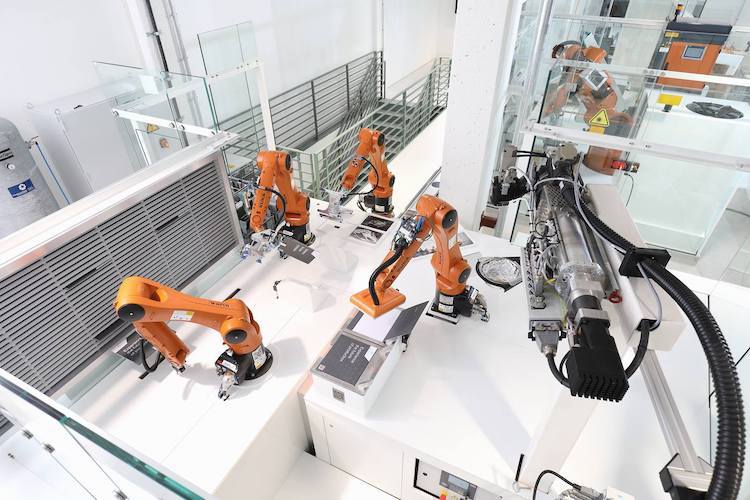
Smart Factories and the Future of Maintenance
The rise of smart factories is accelerating the adoption of predictive analytics. By integrating the Industrial Internet of Things (IIoT), cloud computing, and artificial intelligence, these facilities can monitor every aspect of their operations in real time. This holistic approach enables continuous improvement and rapid response to emerging issues.
For a deeper understanding of how these advanced environments operate, visit this comprehensive overview of smart factory concepts.
As technology evolves, we can expect even greater integration of machine learning with robotics, supply chain management, and digital twins. These innovations will further enhance reliability, safety, and efficiency across industries.
Challenges and Considerations for Implementation
While the advantages are clear, there are also challenges to adopting predictive maintenance powered by machine learning:
- Data Quality: Accurate predictions depend on high-quality, well-labeled data from sensors and maintenance records.
- Integration: Combining new analytics platforms with legacy equipment and systems can be complex.
- Change Management: Shifting from traditional maintenance practices to data-driven approaches requires training and cultural adaptation.
- Cost: Initial investments in sensors, connectivity, and analytics tools can be significant, though long-term savings often justify the expense.
Addressing these hurdles is essential for organizations aiming to fully realize the value of predictive maintenance.
Frequently Asked Questions
What types of data are used in predictive maintenance with machine learning?
Predictive maintenance systems typically use sensor data (such as vibration, temperature, and pressure), equipment usage logs, historical failure records, and environmental information. The combination of these data sources allows machine learning models to detect patterns and predict potential failures with high accuracy.
How does predictive maintenance differ from preventive maintenance?
Preventive maintenance schedules servicing at regular intervals regardless of equipment condition, which can lead to unnecessary work. Predictive maintenance, on the other hand, uses data analysis and machine learning to determine when maintenance is truly needed, reducing downtime and optimizing resource use.
What are the main benefits of using machine learning for equipment maintenance?
The main benefits include reduced unplanned downtime, lower maintenance costs, extended equipment lifespan, improved safety, and better allocation of maintenance resources. Machine learning enables organizations to anticipate issues before they become critical, leading to more efficient and reliable operations.