

The integration of factory safety protocols with automation is transforming industrial environments worldwide. As manufacturing facilities adopt advanced technologies, the approach to workplace safety is evolving beyond traditional measures. Automated systems, smart sensors, and artificial intelligence are now central to reducing risks, minimizing human error, and ensuring compliance with regulatory standards.
This article explores how automation is reshaping safety practices on the factory floor. We’ll look at the core benefits, essential components, and practical steps for implementing automated safety solutions. Along the way, you’ll find insights into the latest trends, as well as resources for further exploration, such as our motion blur composition examples guide, which highlights the impact of technology in industrial settings.
How Automation Is Changing Industrial Safety Standards
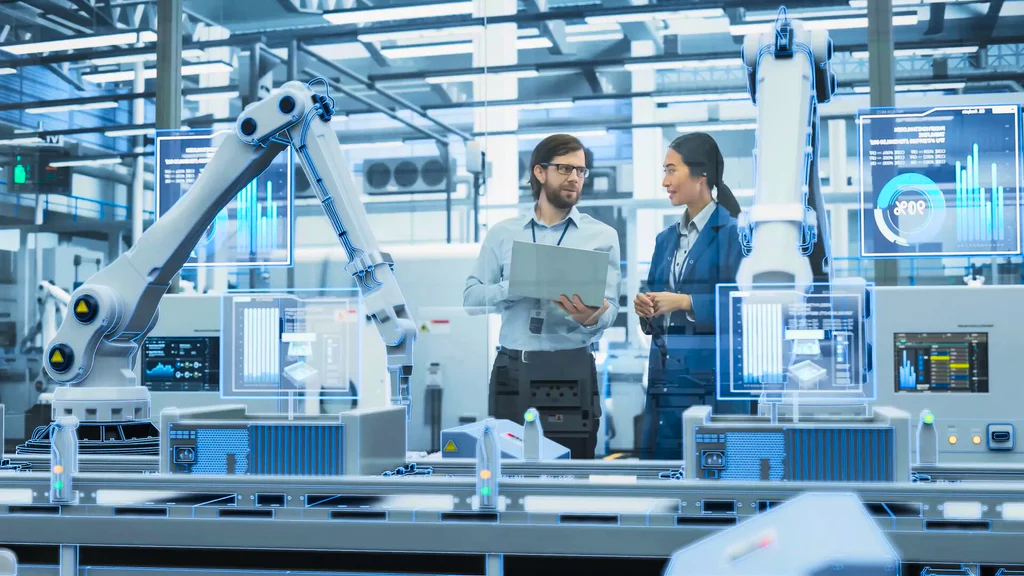
The adoption of automated technologies in manufacturing environments has led to a significant shift in how safety is managed and enforced. Automated machinery, robotics, and interconnected systems can monitor conditions in real time, detect hazards, and respond instantly to potential threats. This proactive approach reduces reliance on manual oversight and enables a safer, more efficient workplace.
For example, automated emergency shut-off systems can halt operations the moment a safety breach is detected. Smart sensors can track environmental factors such as temperature, humidity, and air quality, alerting staff before conditions become dangerous. These innovations not only protect workers but also help companies avoid costly downtime and regulatory penalties.
Key Elements of Automated Safety Protocols
Implementing automated safety protocols involves several critical components. Each plays a role in creating a comprehensive safety net that minimizes risk and maximizes operational continuity.
- Real-Time Monitoring: Sensors and IoT devices continuously track equipment status, worker locations, and environmental data, providing instant feedback to safety managers.
- Predictive Maintenance: AI-driven analytics can anticipate equipment failures, allowing for repairs before breakdowns occur, thus preventing accidents caused by malfunctioning machinery.
- Automated Alerts and Responses: When a hazard is detected, automated systems can trigger alarms, shut down equipment, or initiate evacuation procedures without human intervention.
- Data Logging and Compliance: Automated record-keeping ensures that all incidents, maintenance activities, and safety checks are documented for regulatory compliance and future analysis.
Benefits of Integrating Automation with Safety Measures
Leveraging automation in safety protocols delivers a range of advantages for manufacturers and workers alike. Some of the most notable benefits include:
- Reduced Human Error: Automated systems consistently apply safety rules, eliminating mistakes that can occur due to fatigue, distraction, or lack of training.
- Faster Incident Response: Machines can react to hazards in milliseconds, far quicker than manual intervention, which can be critical in preventing injuries or equipment damage.
- Improved Compliance: Automated documentation and reporting make it easier to meet industry regulations and pass safety audits.
- Enhanced Worker Confidence: Employees feel safer knowing that advanced technologies are in place to protect them, which can boost morale and productivity.
- Cost Savings: By preventing accidents and reducing downtime, automation can lead to significant financial savings over time.
For a deeper understanding of how smart manufacturing environments operate, you can explore what defines a smart factory and how these principles are applied in modern industry.
Implementing Automated Solutions for Safer Workplaces
Transitioning to automated safety systems requires careful planning and a clear understanding of both the risks and the available technologies. Here are some practical steps to guide the process:
- Assess Current Safety Practices: Begin by evaluating existing protocols and identifying areas where automation could address gaps or inefficiencies.
- Select Appropriate Technologies: Choose solutions that align with your facility’s needs, such as machine vision systems, AI-powered diagnostics, or networked emergency controls.
- Integrate with Legacy Systems: Ensure that new automated tools can communicate with existing equipment and software for seamless operation.
- Train Staff: Provide comprehensive training so employees understand how to interact with automated systems and respond to alerts.
- Monitor and Optimize: Continuously review system performance and update protocols as new technologies and best practices emerge.
Challenges and Considerations in Automated Safety
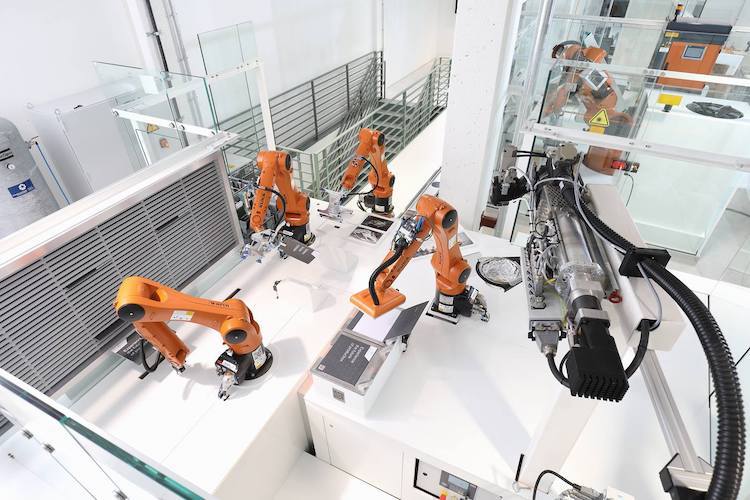
While the advantages of automation in safety are clear, there are also challenges to consider. Integrating new technologies with older equipment can be complex and may require custom solutions. Cybersecurity is another concern, as connected systems can be vulnerable to digital threats if not properly secured.
Additionally, it’s important to maintain a balance between automation and human oversight. Automated systems should complement, not replace, the expertise and judgment of trained safety professionals. Regular audits, updates, and employee feedback are essential to ensure that protocols remain effective as technologies evolve.
Future Trends in Automated Factory Safety
The future of industrial safety lies in the continued convergence of automation, artificial intelligence, and data analytics. As these technologies mature, we can expect even more sophisticated safety solutions, such as predictive analytics for accident prevention, collaborative robots (cobots) that work safely alongside humans, and fully integrated digital twins for real-time risk assessment.
Manufacturers who stay ahead of these trends will be better positioned to protect their workforce, maintain compliance, and achieve operational excellence. For those interested in the visual impact of technology in industry, our motion blur cinematic photography guide offers a unique perspective on how innovation shapes the modern factory.
Frequently Asked Questions
What types of automation are most effective for improving factory safety?
The most effective automation solutions for industrial safety include real-time monitoring systems, machine vision for hazard detection, predictive maintenance platforms, and automated emergency response mechanisms. These technologies work together to identify risks early and respond quickly, reducing the likelihood of accidents.
How does automation help with regulatory compliance?
Automated systems can log safety checks, incidents, and maintenance activities automatically, creating a reliable digital record. This documentation streamlines compliance with industry regulations and makes it easier to pass safety audits.
Can automation fully replace human safety oversight?
While automation greatly enhances safety, it should not completely replace human oversight. Trained professionals are still essential for interpreting data, making complex decisions, and adapting protocols to new situations. The best approach combines automated tools with expert human judgment.