
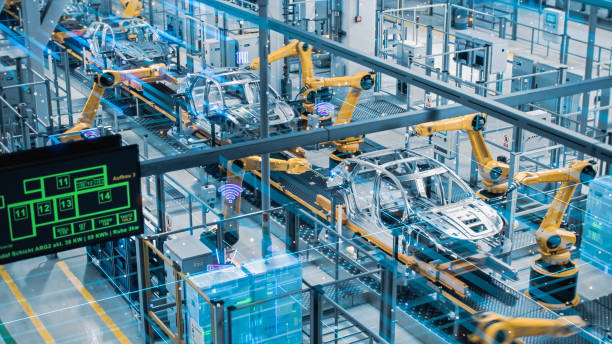
Artificial intelligence is rapidly transforming the industrial sector, driving innovation and efficiency across manufacturing, logistics, and maintenance. This guide explores how AI technologies are being integrated into industrial environments, highlighting real-world use cases, benefits, and challenges. By understanding the overview of industrial AI applications, businesses can better position themselves to leverage these advancements for improved productivity and competitiveness.
From predictive maintenance to quality control, AI is reshaping traditional processes and enabling smarter decision-making. Before diving into specific applications, it’s important to recognize how these technologies are impacting the broader landscape of industrial operations.
For those interested in the intersection of technology and visual creativity, exploring motion blur composition examples can provide further inspiration on how automation and AI-driven tools are influencing modern imaging and production.
Key Areas Where AI Is Transforming Industry
The integration of artificial intelligence in industrial settings spans a wide range of functions. Below are some of the most significant areas where AI is making an impact:
- Predictive Maintenance: AI-powered analytics can monitor equipment health, predict failures, and schedule maintenance before breakdowns occur, reducing downtime and maintenance costs.
- Quality Assurance: Machine vision and deep learning algorithms inspect products for defects, ensuring consistent quality and reducing waste.
- Supply Chain Optimization: AI helps forecast demand, optimize inventory, and streamline logistics, resulting in more efficient operations.
- Process Automation: Robotics and intelligent automation systems handle repetitive or hazardous tasks, improving safety and productivity.
- Energy Management: AI-driven systems monitor and optimize energy usage, leading to cost savings and sustainability improvements.
Smart Factories and the Role of AI
The concept of the smart factory is central to the digital transformation of manufacturing. By connecting machines, sensors, and systems through AI and IoT, factories become more adaptive and responsive to changing demands. This shift enables real-time monitoring, autonomous decision-making, and continuous improvement.
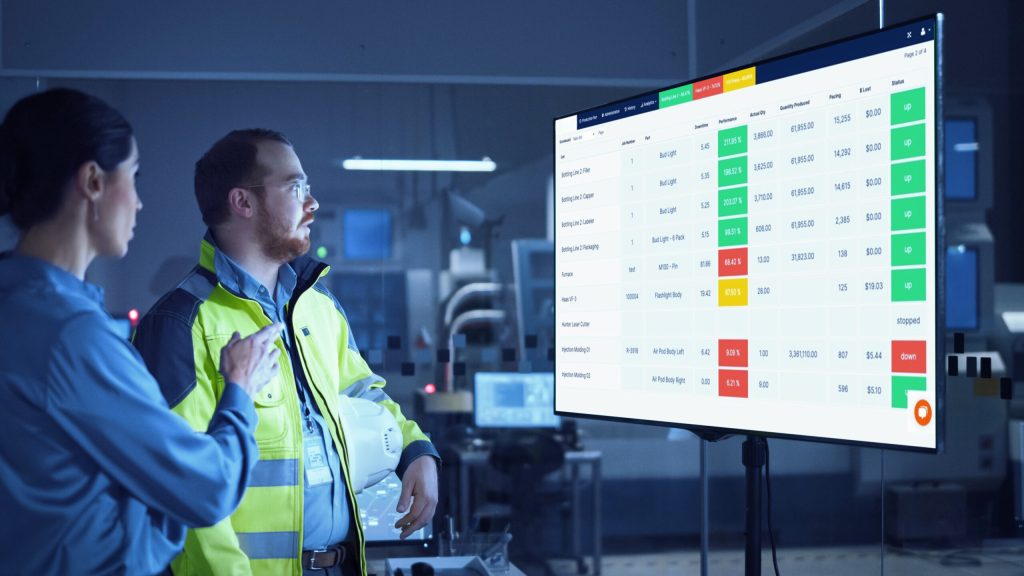
According to SAP’s explanation of smart factories, these environments leverage advanced analytics and machine learning to optimize every stage of production. This results in higher flexibility, improved product quality, and faster response to market changes.
Industrial AI in Action: Real-World Examples
To better understand how AI is being applied, let’s look at some practical examples:
- Automated Visual Inspection: In electronics manufacturing, AI-powered cameras analyze circuit boards for defects at high speed, catching errors that human inspectors might miss.
- Robotic Welding: Automotive plants use AI-guided robotic arms to perform precision welding, ensuring consistent quality and reducing human error.
- Predictive Analytics for Maintenance: Heavy machinery in mining and oil & gas is equipped with sensors that feed data to AI models, which predict when parts need replacement, preventing costly breakdowns.
- Supply Chain Forecasting: Food and beverage companies use AI to analyze sales data, weather patterns, and social trends to anticipate demand and adjust production schedules accordingly.
Benefits of AI Integration in Industry
Implementing artificial intelligence in industrial environments offers several advantages:
- Increased Efficiency: Automated processes and predictive analytics reduce manual intervention and optimize resource allocation.
- Cost Reduction: Early detection of equipment issues and optimized supply chains help lower operational expenses.
- Enhanced Quality: Consistent monitoring and inspection ensure higher product standards.
- Improved Safety: AI-driven automation takes over dangerous tasks, minimizing the risk to human workers.
- Data-Driven Decision Making: Access to real-time insights enables better strategic planning and faster response to issues.
Challenges and Considerations for Industrial AI Adoption
While the advantages are clear, adopting AI in industrial settings comes with its own set of challenges:
- Data Quality and Availability: AI systems rely on large volumes of accurate data. Incomplete or poor-quality data can limit effectiveness.
- Integration with Legacy Systems: Many factories operate with older equipment that may not easily connect to modern AI platforms.
- Workforce Training: Employees need new skills to manage and maintain AI-driven systems.
- Cybersecurity Risks: Increased connectivity can expose systems to cyber threats, requiring robust security measures.
- Initial Investment: Implementing AI solutions can require significant upfront costs, though these are often offset by long-term savings.
Emerging Trends in AI for Industrial Environments
As technology continues to evolve, several trends are shaping the future of AI in industry:
- Edge Computing: Processing data closer to the source (on the factory floor) reduces latency and improves real-time decision-making.
- Collaborative Robots (Cobots): Robots designed to work safely alongside humans are becoming more common, enhancing productivity without replacing jobs.
- AI-Driven Sustainability: Intelligent systems help monitor emissions, optimize energy use, and reduce waste, supporting environmental goals.
- Digital Twins: Virtual models of physical assets allow for simulation, testing, and optimization before changes are made in the real world.
Best Practices for Implementing AI in Industrial Settings
To maximize the benefits of artificial intelligence in industry, organizations should consider the following best practices:
- Start with Clear Objectives: Define the problems you want to solve and set measurable goals for AI adoption.
- Invest in Data Infrastructure: Ensure reliable data collection, storage, and management systems are in place.
- Choose Scalable Solutions: Select AI platforms that can grow with your business and adapt to changing needs.
- Prioritize Workforce Development: Provide training and support to help employees adapt to new technologies.
- Monitor and Iterate: Continuously assess performance and refine AI models based on feedback and results.
FAQ
What are the main benefits of using AI in industrial environments?
Key advantages include increased operational efficiency, reduced costs, improved product quality, enhanced safety, and access to real-time data for better decision-making. AI also enables predictive maintenance and process automation, minimizing downtime and manual errors.
How do smart factories use artificial intelligence?
Smart factories leverage AI to connect machines, sensors, and systems, enabling real-time monitoring, autonomous adjustments, and continuous process optimization. This leads to greater flexibility, faster response to market changes, and higher product quality.
What challenges should companies consider before implementing AI?
Organizations should be aware of challenges such as data quality, integration with legacy equipment, workforce training needs, cybersecurity risks, and the initial investment required for AI adoption. Addressing these issues early can help ensure a smoother transition and maximize the return on investment.