
Factory monitoring with IoT explained is a topic gaining momentum as manufacturers seek to improve efficiency, reduce downtime, and gain real-time insights into their operations. The integration of Internet of Things (IoT) technology into industrial settings is transforming traditional factories into smart, connected environments. This guide breaks down the essentials of IoT-driven monitoring, its benefits, core components, and how it’s changing the landscape of industrial automation.
As digital transformation accelerates, understanding how IoT enables smarter, more responsive production lines is crucial for businesses aiming to stay competitive. By leveraging sensors, data analytics, and cloud connectivity, factories can achieve unprecedented levels of visibility and control. For those interested in related innovations in visual technology, exploring resources like motion blur composition examples can provide additional inspiration on how digital tools are reshaping industries.
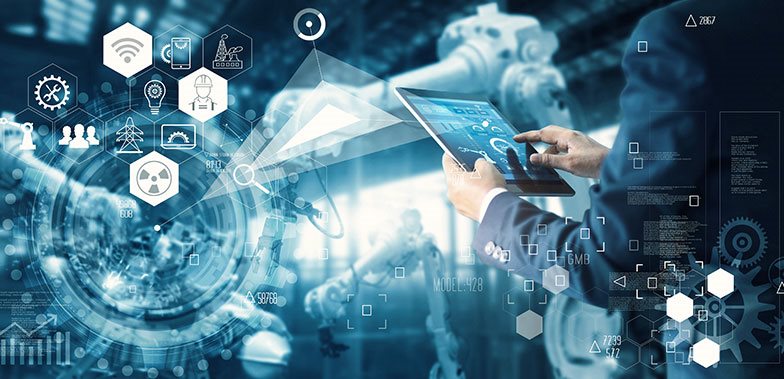
What Is IoT-Based Factory Monitoring?
IoT-based monitoring in manufacturing refers to the use of interconnected devices and sensors to collect, transmit, and analyze data from machinery, production lines, and the factory environment. These devices communicate over networks, sending real-time information to centralized systems where it can be visualized and acted upon. The result is a more responsive, data-driven approach to managing industrial operations.
Unlike traditional monitoring systems, which often rely on manual checks or isolated automation, IoT solutions provide continuous, remote visibility. This enables predictive maintenance, immediate detection of anomalies, and optimization of processes based on live data.
Key Components of Smart Factory Monitoring Systems
To understand how IoT transforms factory oversight, it’s helpful to break down the main building blocks:
- Sensors and Actuators: Devices that measure temperature, vibration, humidity, energy usage, machine status, and more.
- Connectivity: Wired or wireless networks (such as Wi-Fi, Ethernet, or cellular) that link devices to central hubs or the cloud.
- Edge Devices and Gateways: Hardware that aggregates sensor data, performs initial processing, and forwards information to cloud platforms.
- Cloud Platforms: Centralized systems for storing, analyzing, and visualizing data, often accessible via dashboards or mobile apps.
- Analytics and AI: Software that interprets data, identifies trends, and triggers alerts or automated actions.
Together, these components create a feedback loop that enables real-time monitoring, rapid response, and continuous improvement.
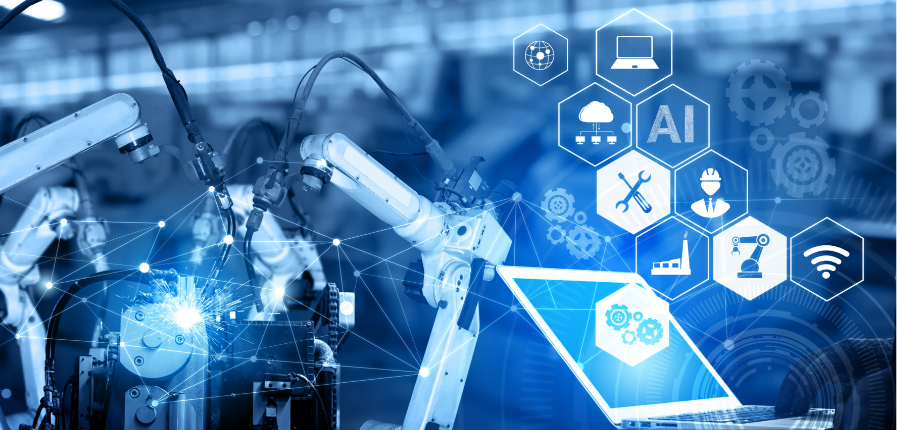
Benefits of IoT-Enabled Factory Oversight
Adopting IoT for industrial monitoring brings a range of advantages that can directly impact a manufacturer’s bottom line:
- Real-Time Visibility: Operators and managers can see the status of machines, production lines, and environmental conditions instantly, from anywhere.
- Predictive Maintenance: By analyzing sensor data, IoT systems can forecast equipment failures, allowing for maintenance before breakdowns occur.
- Reduced Downtime: Faster detection of issues means less unplanned stoppage, keeping production on track.
- Improved Quality Control: Continuous monitoring helps identify defects or process deviations early, reducing waste and rework.
- Energy Efficiency: Tracking energy consumption in real time enables optimization and cost savings.
- Data-Driven Decision Making: Historical and live data support better planning, resource allocation, and process improvements.
For a deeper dive into the broader concept of smart manufacturing and its advantages, see this comprehensive overview of smart factory benefits.
How IoT Monitoring Works in Practice
In a typical setup, sensors are installed on key equipment and throughout the facility. These devices collect data such as temperature, vibration, run-time hours, and output rates. The information is transmitted—often wirelessly—to edge devices or gateways, which may perform some local processing before sending it to a cloud platform.
Operators access dashboards that display live metrics, historical trends, and alerts. If a machine’s vibration exceeds a set threshold, for example, the system can automatically notify maintenance staff or even shut down the equipment to prevent damage. Over time, analytics tools learn from the data, enabling more accurate predictions and smarter automation.
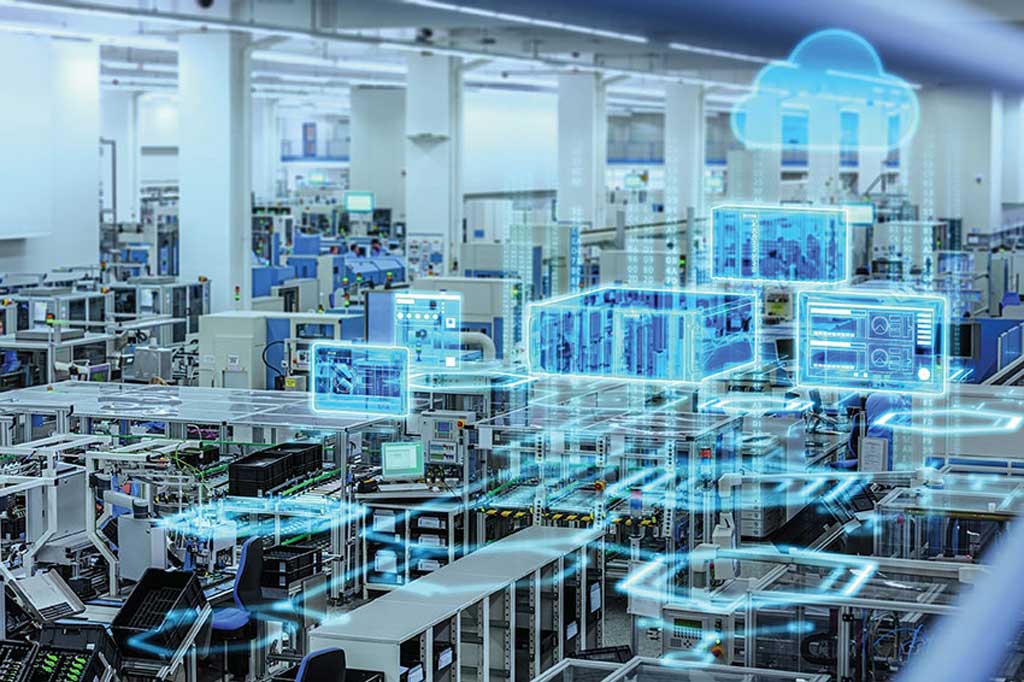
Challenges and Considerations for Industrial IoT Deployment
While the advantages are significant, implementing IoT monitoring in factories comes with its own set of challenges:
- Integration with Legacy Systems: Many factories operate older equipment not designed for connectivity. Retrofitting sensors and ensuring interoperability can require careful planning.
- Data Security: Protecting sensitive production data from cyber threats is critical. Secure networks, encryption, and access controls are essential.
- Scalability: As operations grow, the monitoring system must handle more devices and data without performance loss.
- Change Management: Staff may need training to interpret data and respond to automated alerts effectively.
- Upfront Investment: Initial costs for sensors, networking, and software can be substantial, though often offset by long-term savings.
Addressing these factors early ensures a smoother transition and maximizes the return on investment.
Emerging Trends in IoT-Driven Factory Monitoring
The field is evolving rapidly, with several trends shaping the future of industrial oversight:
- Edge Computing: More processing is happening at the device level, reducing latency and bandwidth needs.
- AI and Machine Learning: Advanced analytics are enabling smarter predictions, automated root-cause analysis, and adaptive process control.
- Interoperability Standards: Open protocols and platforms are making it easier to connect devices from different vendors.
- Remote and Mobile Access: Cloud-based dashboards allow managers to monitor operations from anywhere, supporting flexible work arrangements.
These innovations are making IoT-based monitoring more accessible and effective for manufacturers of all sizes.
Getting Started with IoT Monitoring in Manufacturing
For organizations considering the shift to smart monitoring, a phased approach is often best:
- Identify key pain points or areas where real-time data could drive improvement.
- Pilot IoT solutions on a small scale—such as a single production line or piece of equipment.
- Evaluate results, refine processes, and expand deployment as needed.
- Invest in staff training and establish clear protocols for responding to alerts and insights.
- Continuously review system performance and adapt to new technologies as they emerge.
By starting small and scaling up, manufacturers can manage risk and build confidence in their new digital capabilities.
FAQ
What types of data can IoT sensors collect in a factory?
IoT sensors can gather a wide range of data, including temperature, humidity, vibration, machine status, energy consumption, pressure, and production output. This information helps operators monitor equipment health, environmental conditions, and process efficiency in real time.
How does IoT-based monitoring reduce downtime?
By providing continuous visibility and early warning of anomalies, IoT systems enable predictive maintenance and faster response to issues. This minimizes unplanned stoppages and keeps production lines running smoothly.
Is IoT monitoring suitable for small and medium-sized manufacturers?
Yes, modern IoT solutions are increasingly scalable and cost-effective, making them accessible to businesses of all sizes. Starting with targeted pilot projects allows smaller manufacturers to realize benefits without large upfront investments.
Can IoT monitoring integrate with existing factory management systems?
Many IoT platforms are designed to work alongside or integrate with existing MES, ERP, and SCADA systems. This ensures a unified view of operations and streamlines data-driven decision-making.
For those interested in further exploring how digital tools are transforming industries, resources like the motion blur cinematic photography guide demonstrate the broader impact of technology on process optimization and creative workflows.