
Modern manufacturing faces constant pressure to adapt to changing product demands, shorter life cycles, and the need for greater efficiency. In response, many factories are turning to flexible manufacturing systems (FMS) to stay competitive. But what is flexible manufacturing system technology, and why does it matter for today’s industrial landscape?
This article explores the core concepts behind flexible manufacturing, how these systems work, their advantages, and the challenges involved in implementation. We’ll also look at real-world applications and how businesses can start integrating flexibility into their production processes. For those interested in creative approaches to motion and automation, you might also find inspiration in motion blur composition examples from related fields.
Understanding Flexible Manufacturing Systems
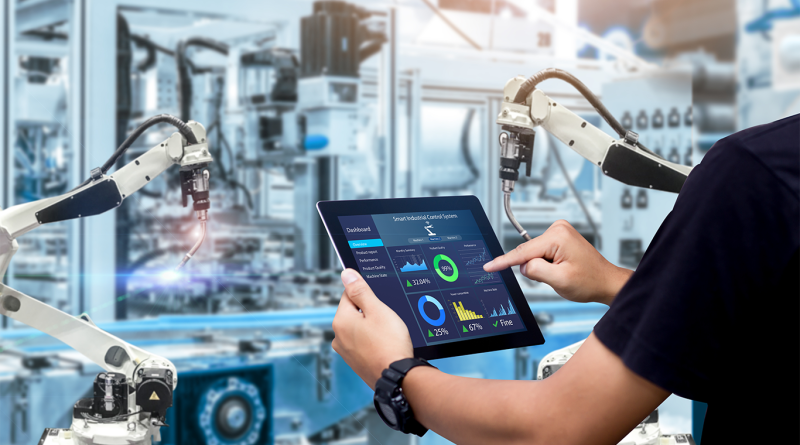
At its core, a flexible manufacturing system is an integrated setup of machines, automated equipment, and computer controls designed to efficiently produce a variety of products with minimal manual intervention. Unlike traditional production lines that are optimized for a single product or process, FMS technology is built to handle rapid changes in product type, volume, or design.
Key components of these systems include:
- Automated machine tools (such as CNC machines) capable of performing multiple operations
- Material handling systems (like robots or conveyors) that move parts between workstations
- Centralized computer control to coordinate scheduling, routing, and quality monitoring
- Flexible fixturing and tooling that can be quickly adapted for different products
The main goal is to achieve high efficiency and quality while allowing for quick changeovers and customization. This approach is especially valuable in industries where product variety is high and batch sizes are small to medium.
How Flexible Manufacturing Differs from Traditional Methods
Traditional manufacturing often relies on dedicated lines or machines for each product, making it costly and time-consuming to switch between different items. In contrast, flexible manufacturing systems are designed for adaptability. Here’s how they stand apart:
- Rapid changeovers: FMS setups can switch between products with minimal downtime, thanks to programmable controls and modular tooling.
- Automated scheduling: Central computers manage production schedules, material flow, and machine assignments, reducing the need for manual oversight.
- Scalability: These systems can handle varying production volumes without major reconfiguration.
- Customization: It’s easier to produce customized or small-batch items without sacrificing efficiency.
This flexibility is crucial for manufacturers serving markets with unpredictable demand or frequent product updates.

Key Benefits of Flexible Manufacturing
Adopting a flexible manufacturing approach offers several important advantages for businesses:
- Reduced lead times: Faster changeovers and automated scheduling mean products reach the market more quickly.
- Lower inventory costs: The ability to produce on demand reduces the need for large stockpiles of finished goods.
- Improved resource utilization: Machines and labor can be allocated dynamically, maximizing efficiency.
- Enhanced product quality: Automated controls and real-time monitoring help maintain consistent standards.
- Increased competitiveness: Companies can respond rapidly to customer needs and market trends.
These benefits make FMS a strategic investment for manufacturers looking to stay agile in a fast-changing environment.
Challenges and Considerations for Implementation
While the advantages are clear, implementing a flexible manufacturing system is not without its challenges. Some key considerations include:
- High initial investment: Setting up automated equipment and computer controls can require significant capital.
- Complex integration: Ensuring that machines, software, and material handling systems work seamlessly together is a technical challenge.
- Skilled workforce: Operators and technicians need training to manage and maintain advanced automation.
- Ongoing maintenance: Automated systems require regular upkeep to prevent downtime and ensure reliability.
Despite these hurdles, the long-term gains in efficiency and flexibility often justify the upfront costs, especially for manufacturers facing volatile demand or frequent product changes.
Real-World Applications and Industry Examples
Flexible manufacturing systems are widely used in sectors where product variety and customization are essential. Some notable examples include:
- Automotive: Car manufacturers use FMS to produce different models or variants on the same assembly line, adjusting quickly to market demand.
- Electronics: Factories producing smartphones or consumer devices benefit from the ability to switch between models with minimal retooling.
- Medical devices: The need for customized, small-batch production makes FMS ideal for medical equipment manufacturers.
- Aerospace: Aircraft parts often require complex machining and frequent design updates, making flexibility a necessity.
For a deeper look at how smart factories are transforming the industry, explore this overview of smart factory trends and strategies.
Steps to Adopting Flexible Manufacturing
Transitioning to a flexible manufacturing approach involves careful planning and phased implementation. Here are some practical steps:
- Assess current processes: Identify bottlenecks, product variety, and areas where flexibility would add the most value.
- Invest in modular equipment: Choose machines and tools that can be easily reconfigured for different tasks.
- Integrate automation: Implement robotic material handling and centralized computer controls to streamline operations.
- Train staff: Ensure operators and technicians are equipped to manage new technologies and workflows.
- Monitor and optimize: Use data analytics to continually refine scheduling, maintenance, and quality control.
By following these steps, manufacturers can gradually build up their flexibility and reap the benefits of responsive, efficient production.
Flexible Manufacturing and the Future of Industry
The rise of Industry 4.0, smart factories, and digital transformation is accelerating the adoption of flexible manufacturing. As customer expectations shift toward greater personalization and faster delivery, the ability to adapt quickly is becoming a key differentiator.
Emerging technologies such as artificial intelligence, machine learning, and advanced robotics are making it easier to automate complex tasks and optimize production in real time. For those interested in creative automation, the motion blur cinematic photography guide offers insights into how motion and technology intersect in other fields.
Ultimately, flexible manufacturing is not just a trend but a fundamental shift in how products are designed, produced, and delivered. Companies that embrace this approach are better positioned to thrive in a dynamic, competitive marketplace.
Frequently Asked Questions
What are the main components of a flexible manufacturing system?
The essential elements include automated machine tools (such as CNC machines), robotic or conveyor-based material handling, centralized computer control, and adaptable fixturing or tooling. These components work together to enable rapid product changeovers and efficient production.
How does flexible manufacturing improve efficiency?
By automating scheduling, material flow, and machine assignments, these systems reduce manual intervention and downtime. This leads to faster production cycles, lower inventory costs, and the ability to respond quickly to changing customer demands.
Is flexible manufacturing suitable for small businesses?
While the initial investment can be significant, modular and scalable solutions are becoming more accessible. Small and medium-sized manufacturers can start with partial automation or flexible cells and expand as their needs grow. The key is to identify areas where flexibility will deliver the greatest return on investment.