
Understanding what is prescriptive vs predictive analytics in food is essential for anyone involved in modern food manufacturing, supply chain management, or quality assurance. As the food industry becomes more data-driven, companies are leveraging advanced analytics to optimize operations, reduce waste, and improve product quality. Two of the most powerful approaches—predictive and prescriptive analytics—are often discussed together, but they serve distinct purposes and offer different benefits.
Predictive analytics focuses on forecasting future outcomes based on historical data, while prescriptive analytics goes a step further by recommending specific actions to achieve desired results. Both play a crucial role in food production, but knowing when and how to use each can make a significant difference in efficiency and profitability.
For those looking to implement these strategies, having a solid foundation in best practices for data collection in food plants is a critical first step. High-quality, reliable data is the backbone of any successful analytics initiative.
Understanding Predictive Analytics in Food Production
Predictive analytics uses statistical models and machine learning algorithms to analyze current and historical data, identifying patterns that help forecast future events. In the context of food manufacturing, this might involve predicting equipment failures, anticipating demand spikes, or identifying potential quality issues before they occur.
Some common applications of predictive analytics in the food sector include:
- Forecasting inventory needs to minimize spoilage and stockouts
- Predicting maintenance requirements for machinery to reduce downtime
- Anticipating shifts in consumer demand based on seasonality or market trends
- Detecting early signs of contamination or quality deviations
For example, by analyzing sensor data from production lines, food companies can build models that predict when a machine is likely to fail. This enables proactive maintenance, reducing costly unplanned outages. For a more detailed approach to this, see the predictive maintenance checklist for food machinery.

How Prescriptive Analytics Transforms Food Industry Decisions
While predictive analytics tells you what is likely to happen, prescriptive analytics answers the next logical question: What should we do about it? This advanced approach not only forecasts outcomes but also recommends specific actions, considering constraints, objectives, and potential impacts.
Prescriptive analytics in food manufacturing can help with:
- Optimizing production schedules based on predicted demand and resource availability
- Recommending ingredient substitutions to maintain quality during supply disruptions
- Suggesting corrective actions when quality deviations are detected
- Balancing cost, efficiency, and sustainability goals in real time
For instance, if predictive models indicate a likely shortage of a key ingredient, prescriptive analytics can recommend alternative sourcing strategies or recipe adjustments to maintain output and quality. This capability is especially valuable in a sector where margins are tight and consumer expectations are high.
Key Differences: What Is Prescriptive vs Predictive Analytics in Food?
To clarify the distinction between these two approaches, consider the following comparison:
| Aspect | Predictive Analytics | Prescriptive Analytics |
|---|---|---|
| Primary Focus | Forecasting future events | Recommending actions based on forecasts |
| Typical Output | Probabilities, trends, risk scores | Action plans, decision options, optimization strategies |
| Data Requirements | Historical and real-time data | Same as predictive, plus business rules and constraints |
| Example in Food Industry | Predicting equipment failure | Recommending maintenance schedule to prevent failure |
In summary, predictive analytics helps food companies anticipate what might happen, while prescriptive analytics guides them on the best course of action to take in response.
Real-World Applications in Food Manufacturing
The integration of predictive and prescriptive analytics is transforming the way food companies operate. Here are some practical examples:
- Predictive maintenance: By analyzing equipment sensor data, food processors can predict when a machine is likely to fail and schedule maintenance accordingly. Prescriptive analytics then recommends the optimal time and method for repairs, minimizing downtime and costs. For more on this, explore how predictive maintenance is applied in food production.
- Demand forecasting and inventory optimization: Predictive models estimate future sales, while prescriptive tools suggest how much raw material to order and when, reducing waste and ensuring product freshness.
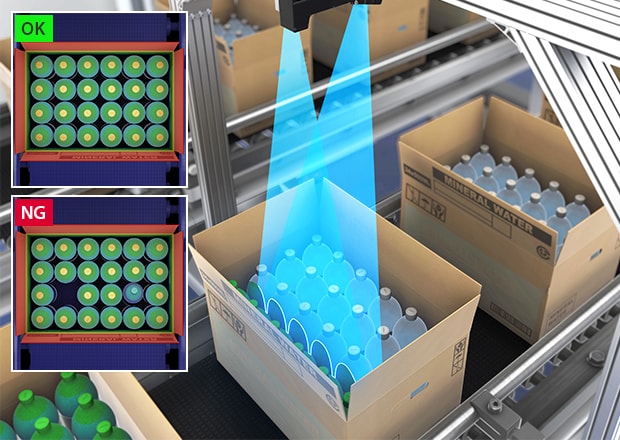
- Food safety and quality control: Predictive analytics can flag batches at risk of contamination. Prescriptive analytics then recommends corrective actions, such as adjusting processing parameters or isolating affected lots. Learn more about how predictive algorithms detect food contamination.
These approaches are not mutually exclusive. In fact, the most advanced food companies use both in tandem, moving from simply reacting to issues to proactively optimizing every aspect of their operations.
Challenges and Considerations for Implementation
Adopting these analytics methods in the food sector comes with its own set of challenges:
- Data quality and integration: Reliable analytics require accurate, consistent data from multiple sources. Investing in robust data collection systems is essential. For guidance, see steps to install IoT sensors on food lines.
- Change management: Shifting to data-driven decision-making often requires cultural change and upskilling staff.
- Cost and complexity: Advanced analytics solutions can be resource-intensive to implement, especially for smaller producers.
- Regulatory compliance: Any recommendations must align with food safety standards and regulations.
Despite these hurdles, the long-term benefits—greater efficiency, less waste, improved quality, and better customer satisfaction—make the investment worthwhile for many organizations.
FAQ: Prescriptive and Predictive Analytics in Food
What is the main difference between predictive and prescriptive analytics in food manufacturing?
Predictive analytics forecasts what is likely to happen based on data, such as predicting equipment failures or demand spikes. Prescriptive analytics, on the other hand, recommends specific actions to take in response to those predictions, such as adjusting production schedules or maintenance plans.
How can food companies get started with these analytics approaches?
Begin by ensuring high-quality data collection across your operations. Invest in sensors, data management systems, and staff training. Start with predictive analytics to identify patterns, then layer on prescriptive tools to optimize decision-making. Resources like using AI for predictive demand forecasting in food offer practical starting points.
Are these analytics tools only for large food manufacturers?
No, while large companies may have more resources, smaller producers can also benefit from analytics. Cloud-based solutions and modular software make it increasingly accessible, allowing businesses of all sizes to improve efficiency and quality.
Conclusion
The distinction between predictive and prescriptive analytics is more than academic—it’s a practical guide for food industry leaders aiming to stay competitive in a rapidly evolving landscape. By understanding what is prescriptive vs predictive analytics in food and implementing the right tools, companies can move from simply reacting to problems to proactively shaping their future. Whether you’re optimizing maintenance, forecasting demand, or ensuring food safety, leveraging both approaches will help you make smarter, faster, and more profitable decisions.