
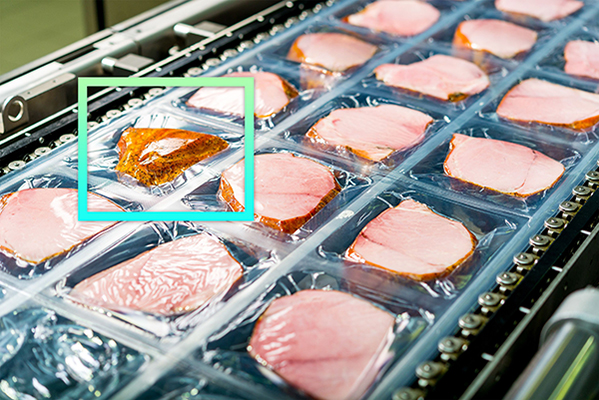
Ensuring food safety and quality is a top priority for manufacturers, regulators, and consumers alike. As the food industry evolves, so do the methods used to inspect and monitor products throughout the production process. Non-destructive testing (NDT) has become an essential approach, allowing food processors to assess the integrity, composition, and safety of products without causing any damage or waste.
This guide to non-destructive testing in food processing explores the most effective technologies, their applications, and the benefits they bring to modern food manufacturing. By adopting these advanced inspection methods, companies can improve quality assurance, reduce recalls, and meet stringent regulatory requirements. For those looking to further optimize their operations, reviewing a predictive maintenance checklist for food machinery can provide additional insights into keeping equipment and processes running smoothly.
Understanding Non-Destructive Testing in Food Manufacturing
Non-destructive testing refers to a suite of techniques used to evaluate the properties or quality of food products and packaging without altering or destroying them. Unlike traditional sampling methods, which may involve cutting, opening, or otherwise damaging the product, NDT allows for 100% inspection and real-time monitoring.
The adoption of these methods in food processing is driven by the need for efficiency, accuracy, and compliance with safety standards. NDT can detect contaminants, verify composition, and check for physical defects, all while preserving the product for sale or further processing.
Key Non-Destructive Testing Methods Used in Food Processing
Several advanced technologies are now commonly used in the industry. Each offers unique advantages depending on the specific application and type of food product.
X-ray Inspection Systems
X-ray technology is widely used to detect foreign objects such as metal, glass, bone, or dense plastic within packaged foods. It can also be used to measure mass, check fill levels, and identify missing or broken components in multi-part products.
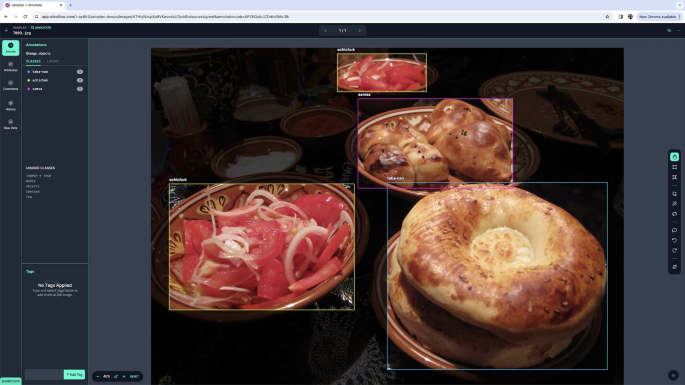
One of the main benefits of X-ray inspection is its ability to scan sealed packages and detect contaminants that are invisible to the naked eye or undetectable by metal detectors. This makes it invaluable for ensuring product safety and regulatory compliance.
Ultrasound and Acoustic Techniques
Ultrasound testing uses high-frequency sound waves to assess the internal structure of food products. It is particularly effective for measuring texture, detecting air pockets, and evaluating the consistency of products like cheese, dough, or meat.
Acoustic resonance methods can also be used to determine ripeness, firmness, or the presence of voids in fruits and vegetables. These techniques are fast, non-invasive, and suitable for continuous in-line monitoring.
Near-Infrared (NIR) Spectroscopy
NIR spectroscopy analyzes the way food absorbs and reflects near-infrared light. This method provides rapid information about the chemical composition of products, such as moisture, fat, protein, and sugar content.
NIR sensors are often integrated into processing lines for real-time quality control. They help manufacturers maintain consistency and optimize recipes without the need for time-consuming laboratory tests.
Magnetic Resonance Imaging (MRI) and Nuclear Magnetic Resonance (NMR)
MRI and NMR technologies, though more commonly associated with medical imaging, are increasingly used in food science. They offer detailed insights into the internal structure, water distribution, and fat content of products without any sample preparation.
These advanced methods are particularly useful for research, product development, and high-value applications where precise quality assessment is critical.
Hyperspectral Imaging
Hyperspectral imaging combines imaging and spectroscopy to capture both spatial and spectral information from food products. It can detect subtle differences in composition, identify contaminants, and classify products based on quality attributes.

This technology is especially valuable for sorting, grading, and detecting defects in fruits, vegetables, and other products where visual appearance is closely linked to quality.
Benefits of Non-Destructive Testing for Food Producers
Implementing non-destructive testing in food processing delivers a range of advantages:
- Improved food safety: Early detection of contaminants and defects reduces the risk of recalls and protects consumers.
- Reduced waste: Products remain intact and saleable, minimizing losses due to destructive sampling.
- Higher efficiency: Automated, in-line systems enable real-time monitoring and faster decision-making.
- Regulatory compliance: NDT helps meet strict standards for quality and safety in domestic and export markets.
- Enhanced product quality: Consistent monitoring ensures uniformity and helps maintain brand reputation.
Applications Across the Food Industry
NDT methods are used at various stages of the food supply chain, from raw material inspection to final packaging. Some common applications include:
- Detecting bones in meat and fish fillets
- Identifying foreign objects in bakery, confectionery, and dairy products
- Assessing ripeness and internal defects in fruits and vegetables
- Verifying fill levels and seal integrity in packaged goods
- Monitoring moisture and fat content in processed foods
For companies interested in integrating smart technologies, reviewing the steps to install IoT sensors on food lines can help enhance data collection and enable predictive analytics alongside NDT systems.
Integrating NDT with Predictive and Data-Driven Approaches
The combination of non-destructive testing with predictive maintenance and data analytics is transforming food manufacturing. By collecting and analyzing inspection data, companies can identify trends, predict equipment failures, and proactively address quality issues.
Resources like the best practices for data collection in food plants offer valuable guidance for building robust data pipelines that support both NDT and broader digital transformation initiatives.
Additionally, leveraging artificial intelligence and machine learning can further enhance the accuracy and speed of inspection systems. For example, advanced algorithms can help with how predictive algorithms detect food contamination in real time, complementing traditional NDT tools.
Challenges and Considerations for Implementation
While the benefits are clear, there are several factors to consider when adopting NDT in food processing:
- Cost and scalability: Some technologies require significant investment and may be best suited for high-volume or high-value products.
- Training and expertise: Operators and quality control staff need proper training to interpret results and maintain equipment.
- Integration with existing systems: Ensuring compatibility with current production lines and data infrastructure is crucial for seamless operation.
- Regulatory approval: Some methods may require validation or approval from food safety authorities before use.
For those starting out, exploring resources such as how to launch a predictive maintenance program in food production can provide a roadmap for integrating NDT with broader operational improvements.
Future Trends in Non-Destructive Testing for Food Processing
The field of non-destructive testing in food processing is rapidly evolving. Emerging trends include:
- Greater use of AI and machine learning for automated defect detection and classification
- Miniaturization of sensors for in-line and at-line testing
- Integration with blockchain and traceability systems for end-to-end quality assurance
- Development of portable and handheld NDT devices for field and supply chain use
As these technologies mature, they will further enhance the ability of food manufacturers to deliver safe, high-quality products while optimizing efficiency and sustainability.
FAQ
What is non-destructive testing in the context of food processing?
Non-destructive testing (NDT) in food processing refers to a range of inspection techniques that evaluate the quality, safety, and integrity of food products without causing any harm or alteration to the items being tested.
Which non-destructive testing methods are most common in the food industry?
The most widely used NDT methods include X-ray inspection, ultrasound, near-infrared spectroscopy, magnetic resonance imaging, and hyperspectral imaging. Each method is chosen based on the specific product and quality parameters being monitored.
How does non-destructive testing improve food safety?
NDT enables early detection of contaminants, physical defects, and compositional inconsistencies, reducing the risk of recalls and ensuring that only safe, high-quality products reach consumers.