
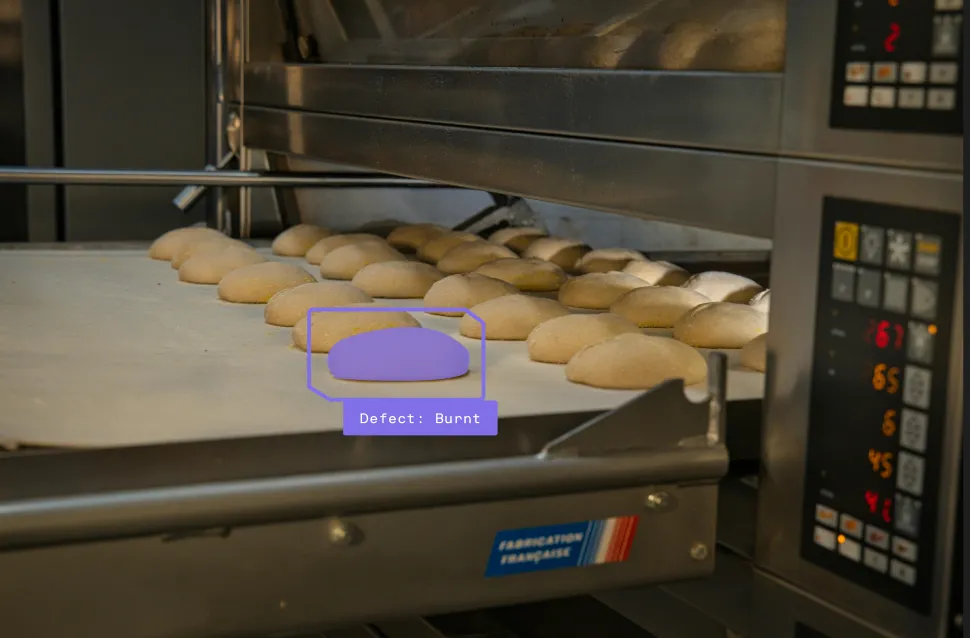
Maintaining the reliability and efficiency of food processing machinery is a top priority for manufacturers. Unexpected breakdowns can lead to costly downtime, product loss, and even safety risks. With advances in sensor technology and the Industrial Internet of Things (IIoT), it is now possible to monitor equipment health in real-time and respond to issues before they escalate. This approach not only supports preventive maintenance but also helps ensure food safety and regulatory compliance.
In this guide, we’ll explore the core principles of tracking the condition of food industry machinery using connected sensors, the benefits of adopting this technology, and the practical steps to get started. For those looking to implement a comprehensive strategy, reviewing a predictive maintenance checklist for food machinery can provide valuable structure and best practices.
Why Real-Time Monitoring Matters in Food Production
Food manufacturing environments are demanding. Equipment is often subject to continuous operation, strict hygiene requirements, and frequent cleaning cycles. Even minor faults can disrupt production or compromise product quality. By leveraging real-time equipment health monitoring, manufacturers gain immediate insights into the condition of their assets, allowing for timely interventions.
Key benefits include:
- Reduced unplanned downtime by detecting early signs of wear or failure
- Improved product consistency and safety
- Optimized maintenance scheduling and reduced costs
- Better compliance with food safety standards
Core Technologies: Sensors and IIoT Platforms
At the heart of modern condition monitoring are sensors that capture critical data from machinery. These devices can measure a range of parameters, including:
- Temperature and humidity
- Vibration and acoustic signals
- Pressure and flow rates
- Electrical current and voltage
When integrated with IIoT platforms, sensor data is transmitted in real time to centralized dashboards. This enables maintenance teams to visualize trends, receive alerts, and make data-driven decisions.
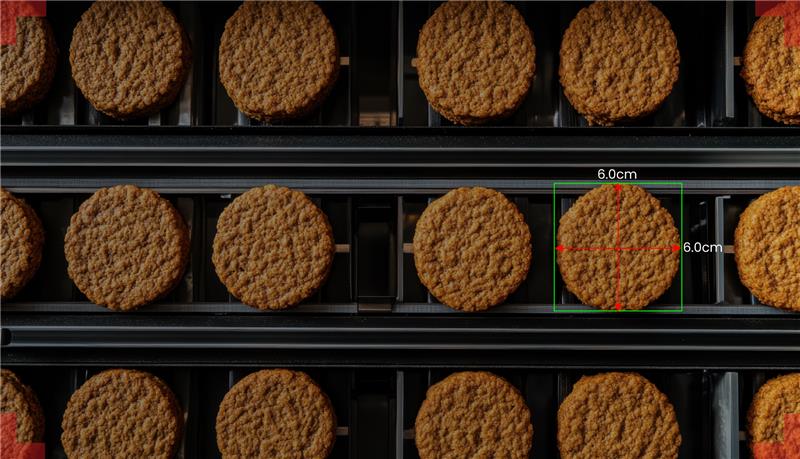
How to Get Started with Real-Time Equipment Health Monitoring
Implementing a real-time monitoring system involves several key steps. Here’s a practical roadmap for food manufacturers:
- Identify critical assets: Focus on machinery that is essential to production or has a history of failures.
- Select appropriate sensors: Choose sensors that can capture the most relevant indicators of equipment health for each asset.
- Install and calibrate sensors: Ensure proper placement and calibration for accurate data collection. For practical advice, see the steps to install IoT sensors on food lines.
- Integrate with a monitoring platform: Use an IIoT or SCADA system to aggregate and visualize sensor data.
- Set up alerts and thresholds: Define acceptable ranges for each parameter and configure notifications for anomalies.
- Train staff and refine processes: Ensure your team understands how to interpret data and respond to alerts.
By following these steps, manufacturers can move from reactive to proactive maintenance, reducing the risk of unexpected breakdowns.
Types of Sensors Used in Food Equipment Monitoring
A wide variety of sensors are available for monitoring the health of food processing equipment. Common types include:
- Vibration sensors: Detect imbalances, misalignments, or bearing wear in rotating machinery.
- Temperature sensors: Monitor overheating in motors, gearboxes, or conveyor belts.
- Pressure sensors: Track performance in pumps and pneumatic systems.
- Acoustic sensors: Identify abnormal noises that may indicate mechanical faults.
- Current and voltage sensors: Reveal electrical issues or inefficiencies.
The choice of sensor depends on the specific process and the failure modes most relevant to each piece of equipment.
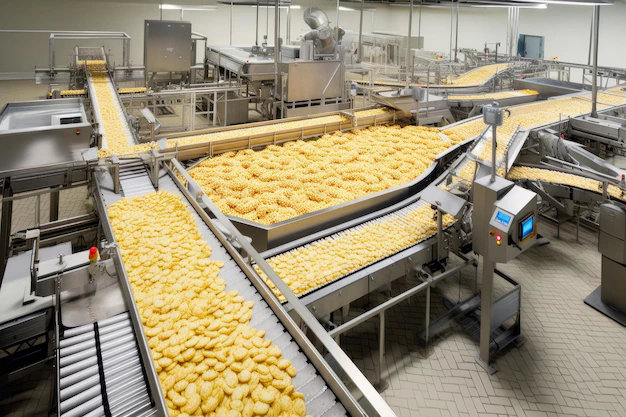
Data Collection and Analysis Best Practices
Collecting accurate, actionable data is essential for effective monitoring. Some best practices include:
- Regularly calibrate and maintain sensors to ensure data quality
- Automate data collection to minimize manual errors
- Leverage historical data to identify trends and predict failures
- Integrate monitoring data with maintenance management systems
For more on this topic, consider reviewing best practices for data collection in food plants to optimize your approach.
Integrating Predictive Maintenance and AI
Real-time monitoring lays the groundwork for predictive maintenance. By analyzing sensor data with advanced algorithms, manufacturers can forecast equipment failures before they happen. This approach not only reduces downtime but also extends asset life and lowers maintenance costs.
AI-driven solutions can further enhance these capabilities by detecting subtle patterns and anomalies that might be missed by traditional methods. For more insights, explore how using AI for predictive demand forecasting in food is transforming the industry.
Challenges and Considerations
While the benefits of real-time monitoring are clear, there are challenges to address:
- Data overload: Too much data can overwhelm teams without proper filtering and analytics.
- Integration complexity: Connecting legacy equipment to modern IIoT platforms may require custom solutions.
- Cybersecurity: Protecting sensitive production data is essential as connectivity increases.
- Change management: Staff training and process adaptation are crucial for success.
A structured approach and the right technology partners can help overcome these obstacles.
Industry Resources and Further Reading
For organizations looking to deepen their understanding or start a predictive maintenance program, resources like this infographic on starting a predictive maintenance program in food production offer practical guidance and visual overviews.
Additionally, learning about how predictive algorithms detect food contamination can help you see the broader impact of real-time data in food safety and quality assurance.
FAQ: Real-Time Equipment Health Monitoring in Food Manufacturing
What are the most important parameters to monitor in food processing equipment?
The most critical parameters typically include temperature, vibration, pressure, and electrical signals. Monitoring these indicators helps detect early signs of mechanical or electrical issues that could affect product quality or cause equipment failure.
How can real-time monitoring reduce maintenance costs?
By identifying problems before they lead to breakdowns, real-time monitoring enables planned maintenance, which is less expensive than emergency repairs. It also helps optimize spare parts inventory and extends the lifespan of equipment.
Is it difficult to retrofit existing food machinery with sensors?
While some older machines may require additional effort to integrate sensors, many modern solutions are designed for easy retrofit. Wireless sensors and modular IIoT platforms can simplify installation and minimize disruption to production.