
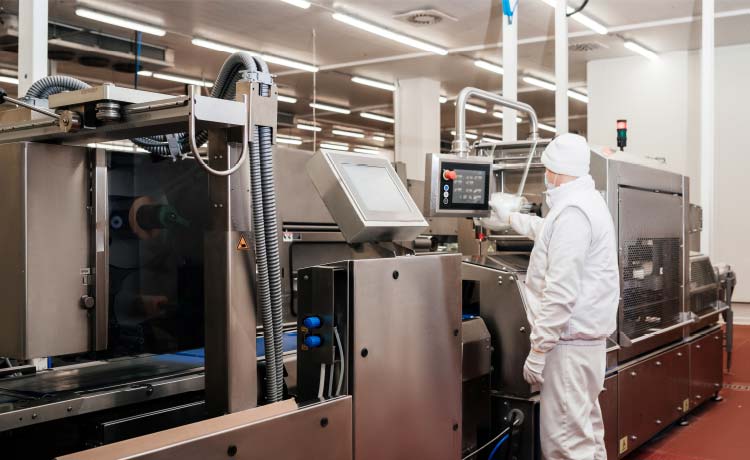
Rising energy costs and sustainability goals are pushing manufacturers and facility managers to look for smarter, more efficient methods to manage their energy use. Leveraging ways to optimize energy consumption using predictive tools is quickly becoming a practical solution for organizations aiming to reduce waste, cut costs, and support greener operations. Predictive analytics and AI-driven systems can help businesses anticipate energy needs, identify inefficiencies, and take proactive steps to streamline consumption.
For those in the food and beverage sector, predictive solutions are especially valuable. They not only help maintain product quality and safety but also ensure that energy-intensive processes run at peak efficiency. If you’re seeking actionable strategies, this guide will break down how predictive technologies can transform your approach to energy management and highlight best practices for implementation.
Before diving into the practical applications, it’s important to ensure your facility is ready for predictive analytics. Laying a strong foundation with reliable data collection is crucial. For a deeper dive into data best practices, you may want to explore the best practices for data collection in food plants, which outlines how to set up robust data systems that support predictive energy management.
Understanding Predictive Tools for Energy Management
Predictive tools use advanced algorithms, machine learning, and real-time data to forecast energy demand and identify patterns of use. These systems analyze historical and live data from sensors, meters, and equipment to spot trends and anticipate future consumption. By doing so, they enable facilities to make informed decisions about when and how to use energy most efficiently.
Some common predictive technologies include:
- AI-driven analytics platforms that process large volumes of operational data.
- IoT sensors that monitor equipment performance, temperature, and energy flow.
- Automated control systems that adjust operations based on predictive insights.
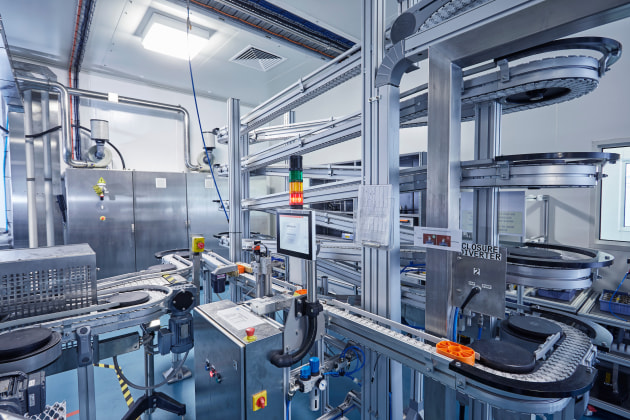
With these technologies in place, organizations can move from reactive to proactive energy management, reducing both costs and environmental impact.
Key Benefits of Using Predictive Analytics for Energy Optimization
Adopting predictive solutions for energy management brings several advantages:
- Reduced energy waste: By forecasting demand, facilities can avoid overproduction and unnecessary equipment operation.
- Cost savings: Lower energy bills result from more efficient scheduling and equipment use.
- Improved equipment lifespan: Predictive maintenance reduces wear and tear, minimizing breakdowns and extending asset life.
- Enhanced sustainability: Lower energy consumption means a smaller carbon footprint and easier compliance with environmental regulations.
- Data-driven decision making: Managers gain actionable insights to support continuous improvement.
For example, integrating predictive maintenance with energy management can further optimize operations. If you want a step-by-step approach, check out the predictive maintenance checklist for food machinery to see how these strategies can work together.
Implementing Predictive Tools: Steps and Considerations
To get the most out of predictive analytics for energy optimization, consider the following steps:
- Assess your current energy usage: Start by gathering baseline data from meters, sensors, and utility bills.
- Deploy IoT sensors and data collection systems: Reliable, real-time data is the backbone of predictive analytics. For guidance, review these steps to install IoT sensors on food lines.
- Choose the right predictive platform: Select a solution that integrates with your existing infrastructure and supports your industry’s unique needs.
- Integrate with existing systems: Ensure your predictive tools can communicate with building management systems, production lines, and maintenance platforms.
- Train staff and set up alerts: Equip your team to interpret predictive insights and respond to automated alerts for anomalies or inefficiencies.
- Continuously monitor and refine: Regularly review system performance and adjust parameters to improve accuracy and outcomes.
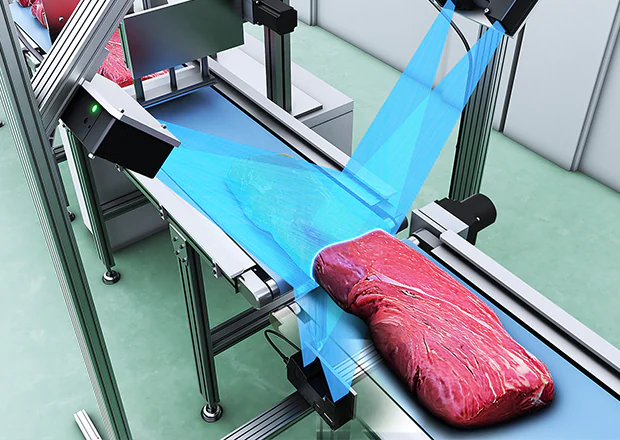
By following these steps, facilities can create a responsive, data-driven environment that maximizes energy efficiency and minimizes waste.
Industry Applications: Food and Beverage Sector
The food and beverage industry faces unique challenges when it comes to energy management. Production lines, refrigeration, and sanitation processes are all energy-intensive. Predictive tools can help by:
- Forecasting peak energy demand during production cycles.
- Identifying equipment that is consuming more energy than expected.
- Optimizing cleaning and sterilization schedules to avoid unnecessary energy use.
- Reducing downtime through predictive maintenance and real-time monitoring.
For a detailed look at how predictive maintenance and AI are transforming food processing, visit this comprehensive overview of predictive maintenance in food processing. These insights can help you understand the tangible benefits and implementation strategies for your own facility.
Best Practices for Maximizing Predictive Energy Optimization
To fully realize the benefits of predictive analytics in energy management, consider these best practices:
- Start small and scale up: Pilot predictive tools on a single line or process before expanding across the facility.
- Focus on high-impact areas: Target equipment or processes with the highest energy consumption for the greatest return.
- Integrate with broader digital transformation efforts: Combine predictive energy management with other smart factory initiatives for greater synergy.
- Regularly review and update models: As operations change, ensure your predictive algorithms are retrained with new data.
- Engage cross-functional teams: Involve production, maintenance, and sustainability teams to align goals and share insights.
Continuous improvement is key. As your predictive systems mature, revisit your data collection and analytics processes to ensure ongoing accuracy and effectiveness. For more on leveraging AI for operational forecasting, see this guide on using AI for predictive demand forecasting in food.
Common Challenges and How to Overcome Them
While the advantages are clear, implementing predictive analytics for energy optimization is not without challenges. Common hurdles include:
- Data quality issues: Inaccurate or incomplete data can undermine predictive accuracy. Address this by investing in reliable sensors and regular calibration.
- Integration complexity: Connecting new predictive tools with legacy systems may require custom solutions or middleware.
- Change management: Staff may be hesitant to trust automated recommendations. Provide training and communicate the benefits clearly.
- Initial investment: Upfront costs for sensors and platforms can be a barrier, but the long-term savings often justify the expense.
By anticipating these challenges and planning accordingly, organizations can smooth the transition and accelerate their journey toward smarter energy use.
FAQ: Predictive Energy Optimization
How do predictive tools differ from traditional energy management systems?
Traditional systems often rely on static schedules and manual monitoring, while predictive tools use real-time data and machine learning to anticipate needs and automatically adjust operations. This leads to more accurate forecasting and greater efficiency.
What types of data are most important for predictive energy optimization?
Key data sources include equipment performance metrics, energy usage logs, production schedules, and environmental conditions. The more granular and accurate the data, the better the predictive models will perform.
Can predictive analytics help with regulatory compliance?
Yes, predictive solutions can help facilities stay within energy usage limits, reduce emissions, and generate reports for regulatory bodies. This not only supports compliance but also strengthens sustainability initiatives.
Conclusion
Embracing ways to optimize energy consumption using predictive tools is a practical step for any organization looking to cut costs, boost efficiency, and support sustainability goals. By leveraging advanced analytics, IoT sensors, and AI-driven platforms, businesses can gain actionable insights, reduce waste, and future-proof their operations. Start with robust data collection, choose the right predictive solutions, and foster a culture of continuous improvement to unlock the full potential of smart energy management.