
The food manufacturing sector is experiencing a profound shift as digital technologies become central to how products are made, inspected, and delivered. From artificial intelligence and automation to advanced data analytics, these innovations are reshaping traditional processes, driving efficiency, and raising quality standards. For businesses and professionals seeking to stay ahead, understanding the digital transformation of food lines is essential for navigating both current challenges and future opportunities.
Digitalization is not just about adopting new tools—it’s about rethinking workflows, improving traceability, and enabling smarter decision-making at every stage of production. As consumer demands evolve and regulatory requirements tighten, food producers are leveraging digital solutions to enhance safety, minimize waste, and remain competitive in a rapidly changing marketplace.
One area where digitalization is making a significant impact is in quality control. Technologies like computer vision and machine learning are now integral to automated inspection systems, ensuring products meet strict standards while reducing human error. For a deeper look at how vision systems are used in grading, see the role of computer vision in fruit grading and how it is transforming inspection accuracy and speed.
Key Drivers Behind Food Line Digitalization
Several factors are accelerating the adoption of digital technologies in food processing environments:
- Consumer expectations for transparency, freshness, and safety are higher than ever, pushing manufacturers to adopt traceable, data-driven processes.
- Regulatory compliance requires detailed record-keeping and rapid response to potential issues, which digital systems can provide more efficiently than manual methods.
- Operational efficiency is critical as margins tighten and competition increases. Automation and analytics help identify bottlenecks, reduce downtime, and optimize resource use.
- Workforce challenges such as labor shortages and the need for specialized skills are prompting companies to invest in smart machines and remote monitoring solutions.
Core Technologies Powering Modern Food Lines
To fully grasp the digital transformation of food lines, it’s important to understand the technologies driving this change:
- Artificial Intelligence (AI) and Machine Learning: These systems analyze vast amounts of production data to predict equipment failures, optimize recipes, and automate quality checks.
- Internet of Things (IoT): Sensors and connected devices collect real-time data on temperature, humidity, and machinery performance, enabling proactive maintenance and improved traceability.
- Computer Vision: Cameras and image processing algorithms inspect products for defects, ensuring consistency and safety at speeds impossible for human inspectors.
- Cloud Computing: Centralized data storage and processing make it easier to scale operations, share insights across locations, and implement remote monitoring.
Benefits of Embracing Digital Food Processing
Manufacturers who invest in digital upgrades to their production lines can expect a range of tangible benefits:
- Improved product quality: Automated inspection and real-time monitoring catch defects early, reducing recalls and customer complaints.
- Enhanced traceability: Digital records make it easier to track ingredients and finished goods, supporting food safety initiatives and regulatory audits.
- Reduced waste: Data-driven insights help optimize ingredient use and minimize overproduction, contributing to sustainability goals.
- Greater flexibility: Smart systems can adapt quickly to new recipes, packaging formats, or production schedules, supporting innovation and responsiveness to market trends.
For example, predictive maintenance powered by AI can help prevent costly equipment breakdowns. To learn more about this application, see how AI-powered predictive maintenance is used in food processing to reduce downtime and extend machinery life.
Challenges and Considerations in Digital Adoption
While the advantages are clear, transitioning to a digital-first production environment comes with its own set of challenges:
- Integration with legacy equipment: Many food plants operate with a mix of old and new machinery, making seamless data flow a technical hurdle.
- Cybersecurity risks: As more devices connect to networks, protecting sensitive production and recipe data becomes a priority.
- Change management: Staff need training and support to adapt to new workflows and technologies, requiring investment in people as well as equipment.
- Upfront costs: While digital upgrades often pay off over time, initial investments in hardware, software, and infrastructure can be significant.
Despite these obstacles, many companies find that the long-term gains in efficiency, compliance, and customer satisfaction far outweigh the short-term challenges.
Real-World Examples of Digital Food Line Transformation
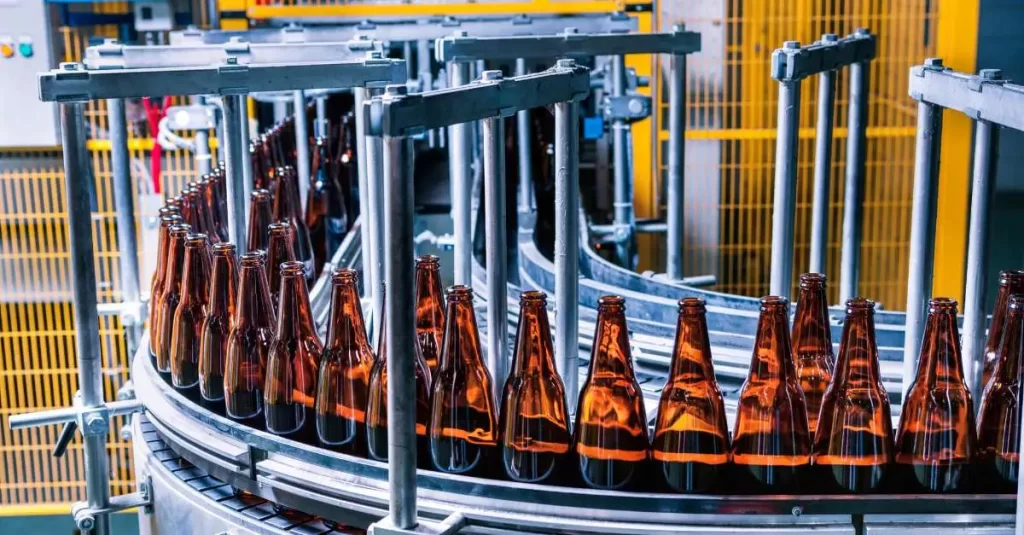
Across the industry, companies are seeing measurable improvements by adopting digital solutions. For instance, bottling plants use AI-powered vision inspection to detect imperfections in glass containers at high speeds, reducing waste and ensuring only top-quality products reach consumers. Similarly, bakeries are leveraging IoT sensors to monitor oven temperatures and humidity, ensuring consistent results and reducing energy consumption.
Data analytics also play a crucial role in identifying process bottlenecks and optimizing throughput. For more on this topic, explore ways to improve throughput with bottleneck analysis and see how data-driven strategies can unlock hidden efficiencies.
Future Trends in Food Line Digitalization
The pace of innovation in food manufacturing shows no sign of slowing. Looking ahead, several trends are set to shape the next phase of digital transformation:
- Greater use of edge computing: Processing data closer to the production line reduces latency and enables faster decision-making.
- Advanced robotics: Collaborative robots (cobots) are being deployed for tasks like packaging, palletizing, and even delicate food handling.
- Integration of sustainability metrics: Digital systems will increasingly track energy use, water consumption, and carbon footprint, supporting environmental goals and regulatory compliance.
- Personalization and mass customization: Flexible, data-driven lines will allow producers to offer more variety and cater to niche markets without sacrificing efficiency.
As these trends continue, the importance of understanding the digital transformation of food lines will only grow, making it a key area of focus for industry leaders and innovators.
FAQ
What are the main benefits of digitalizing food production lines?
Digitalization brings improved product quality, enhanced traceability, reduced waste, and greater operational flexibility. Automated systems catch defects early, data analytics optimize processes, and digital records support compliance and food safety efforts.
How does computer vision improve food quality control?
Computer vision systems use cameras and AI algorithms to inspect products for defects, ensuring consistency and safety at high speeds. This reduces human error, minimizes recalls, and helps manufacturers meet strict quality standards.
What challenges should companies expect when adopting digital solutions?
Common challenges include integrating new technologies with existing equipment, managing cybersecurity risks, training staff, and handling the upfront investment required. Careful planning and phased implementation can help address these issues.